Kiang Malingue is pleased to present at its New York space, Once More Encore: The First Year of Benny’s Video Remixed, an exhibition by Benny’s Video, a curatorial project of artist Craig Jun Li, on view from June 25 to August 7, 2026.
Dubbed as a “nomadic curatorial project for freaks and lovers,” from May 2025 to April 2026, Benny’s Video was sited at a 130-square foot artist studio sublet in Bushwick, Brooklyn, and presented nine exhibitions. The scale of the location led to exhibitions consisting of two to seven artists. In parallel to connective interests across its program, several artists presented works in multiple exhibitions, creating a chainlink effect.
Conceived as a single extrospective exhibition, Once More Encore: The First Year of Benny’s Video Remixed brings together artists from all nine original exhibitions, remixed with alternate artworks by some artists, often from the same series. Bringing into this encore are additional artists who have informed Li’s curatorial thinking, and whose artworks hovered as an unconscious memory bank. While the combined footprint of the nine exhibitions could fit within Kiang Malingue, New York, for Li, “the specific dynamic and feelings of each original grouping of artworks in the studio sublet would not be replicable.” A program of group exhibitions is a form that allows for ever-shifting, expanding relationships among artists and artworks to flourish continuously. The context of a commercial gallery and its different architectural specificity, offer an alter-format which simultaneously revisits Benny’s Video’s accretive layers of thinking in time, while expanding into a new exhibition on its own terms.
Across nine exhibitions at Benny’s Video, Li puts into relation wide-ranging practices where different artistic conversations and generations can resonate, through overlapping methodologies and ethos, tuning to artists who materialize and reflect on conditions of artistic production. These works are often realized through the mechanism of photography into conceptual and concrete configurations, and synthesize and problematize methods emerging out of research-based practices, moving image, and performances. By foregrounding the structure of display and production, and redirecting looking towards the periphery of the main event, artworks serve as a placeholder to address conditions where “other things happen.” The selection of artworks, and the dialogue they form in installation prioritize close looking in real time and space. By reorienting the perception of an object or an image, the artworks share a spatial openness that point outwards and to each other, hinged (perhaps as in a two-way saloon door) “between recognition and imagination.”
The first exhibition, A Gamut, operated like an on-off switch that toggles between the acts of looking out and looking in, by pairing the works of Mary Helena Clark and Joy Episalla, who both engage in the formal devices of photography as a way to perceive beyond the frame. Episalla’s TV series (2005-ongoing) chronicles hotel rooms in the moments before check-out, as reflected in the turned-off televisions, ranging from curved CRT to flat screens. Clark’s Brooder series (2024) frames DIY egg incubators made out of styrofoam and wood through a straight-on perspective into the cut-out construction. Installed in proximity, the scenes of rumpled duvets in the still-warm beds might be sending heat signals to the brooding nest for newborn chicks. Through the mutual tactics of double-apertures, looking in prompts a vision bouncing back, oscillating between the tending of livestock and taking stock of one’s lives. The word “gamut” allegedly originated from the 11th-century musical notation developed by music pedagogue and monk Guido d’Arezzo of Italy. The phrase “running the gamut” describes singing or playing an entire scale of notes in order, as in a musical warm-up. For Benny’s Video, the gamut is a gambit. Accumulatively, Benny’s Video progresses as it nourishes thinking around lives and their attendant materials, encompassing the forthcoming and the remembered, in a spectrum of vested relationships, teaching one how, when, and where to look.
The artist-focus curatorial intention of Benny’s Video also moves in the spirit of fantasy casting, sensitive to psychic and cosmic connections that insist on magic, destiny, and friendships. The temporary nature of a studio sublet from an artist friend is significant, as it forms and conforms Benny’s Video around the conditions of art practices and the intertwined economies that enable and shape them in the present, including Li’s as a working artist whose practice is braided with his multiple jobs as an arts worker, whether working for other artists, catsitting, or supporting artists’ estates. Sustained by the love of artists and a trust in the knowledge in “what makes artists tick,” it is shaped by a subjectivity beyond shared materials, movements, genealogy, social relations, as well as “crushes, curiosity, and desire.”
In his proposal to include Apichatpong Weerasethakul’s works in Once More Encore, Li wrote to the artist and filmmaker about the impact of his film Tropical Malady (2004): “…the actors who play lovers in the first half of the film enter into a fable-like world as predator and prey in the second half. As the viewer, I get to hold onto my memories of the love story while watching the tiger spirit haunt its prey. To me this experience reflects what excites me the most in looking at and with art: different configurations of the same materials could generate endless stories in our imagination, and there’s a freedom that allows what we feel to alter how we see and remember. We get to choose what to believe.”
Likewise, the invitation of Benny’s Video at Kiang Malingue extends beyond a guest-host collaboration and acknowledges that sustainability of artists and galleries must be held together in conversation and put in practice. How can artworks and artists that operate on different sets of economy be presented side by side, without strategic juxtaposition based on market-driven decisions? How can galleries support the vital importance of artist-initiated projects without capitalizing on their labor and trading in their brilliance? How could galleries support the whole gamut of artists and their practices, their whole selves? Perhaps more questions and answers will emerge.
Attuned to the resonance and reverberation among artworks in situ that become tangible over time, Li will author a writing in response, as well as engage in a conversation with Jo-ey Tang, which will be shared in printed form available at the gallery.
(Artists)
Becca Albee, Zaid Arshad, Erica Baum, Miguel Bendaña, Colleen Billing, Cooper Campbell, Mary Helena Clark, Bruce Cratsley, Joy Episalla, Philipp Farra, Glen Fogel, Noah Furman, Léonie Guyer, Erin Johnson, Matt Keegan, Kevin Kelly, Coco Klockner, David Knudsvig, Jordan Loeppky-Kolesnik, Alex Kwartler, Liza Lacroix, Emily Leach, Zoe Leonard, Tim Mann, Vijay Masharani, Nick Mauss, Dave McKenzie, Grant Mooney, David Nelson, Paul P., Michael Queenland, Nick Relph, Alan Ruiz, Dean Sameshima, Rafael Sánchez, Matthew Schrader, TJ Shin, Sofia Sinibaldi, Andréa Spartà, P. Staff, Simon Shim-Sutcliffe, Allie Taylor, Gwenn Thomas, Ben K. Voss, Willa Wasserman, Apichatpong Weerasethakul, Kathleen White, William Wiebe, Micah Schippa-Wildfong, Dena Yago, Carrie Yamaoka
(About Craig Jun Li)
“CJ” Craig Jun Li (b. 1998 China) is an arts worker and artist based in New York, also a Virgo born in the year of the tiger. Li’s work has been shown in solo and group exhibitions, including Chapter NY, New York; Galeria Filomena Soares, Lisbon; lower_cavity, Holyoke; KW Institute for Contemporary Art, Berlin; Kurtkubin, CDMX; SYSTEMA, Marseille; François Ghebaly, Los Angeles and New York; Taon, Ivry-sur-Seine; ROMANCE, Pittsburgh; Chris Andrews, Montréal; RAINRAIN, New York; September Sessions, Stockholm; hatred 2, New York; Prairie, Chicago; and Canal Projects, New York, among others. Li runs a nomadic curatorial project “Benny’s Video” and facilitates the operation of the estates of David Knudsvig and David Nelson.
Once More Encore: The First Year of Benny's Video Remixed Group Show
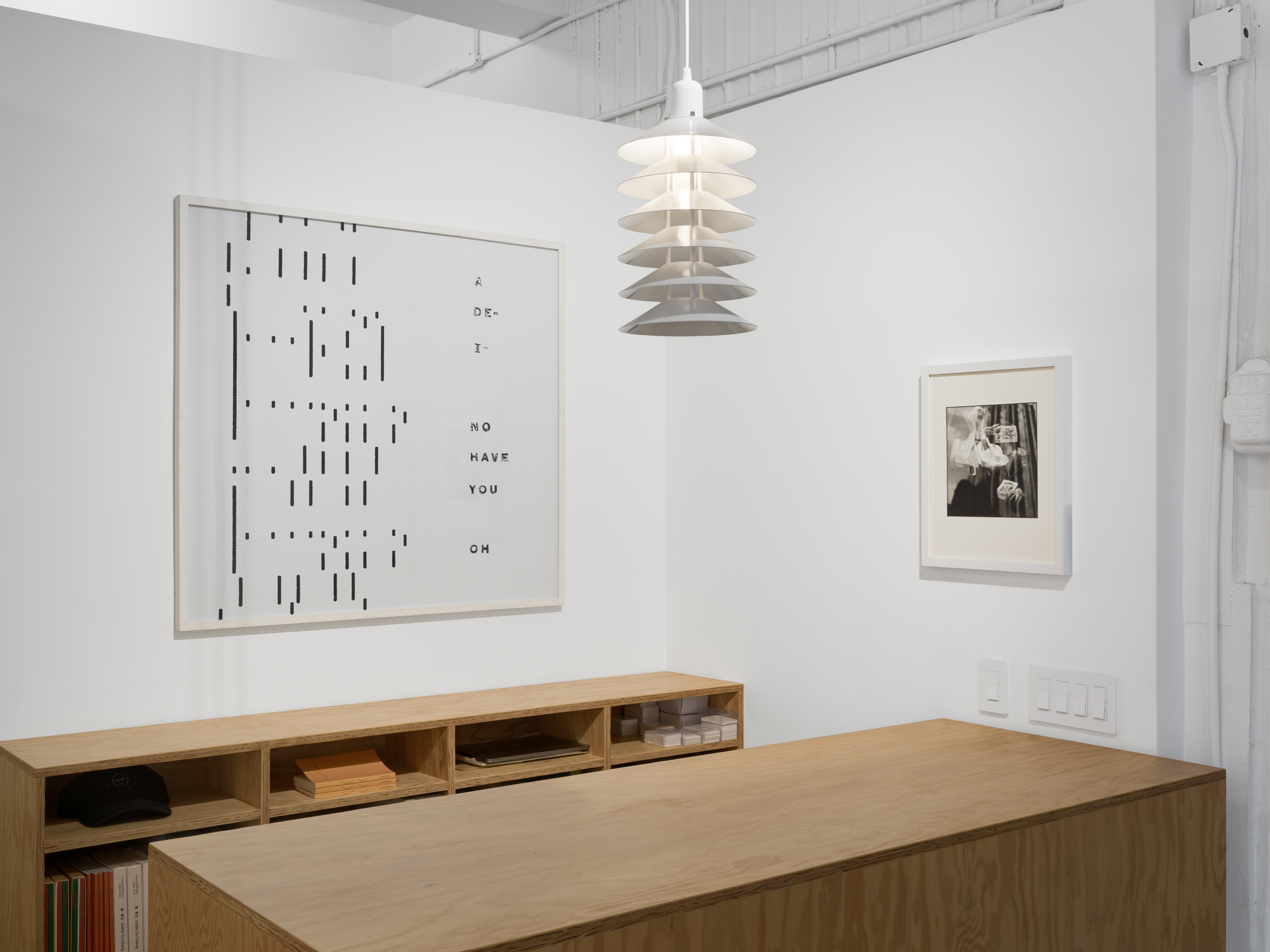
Installation view.
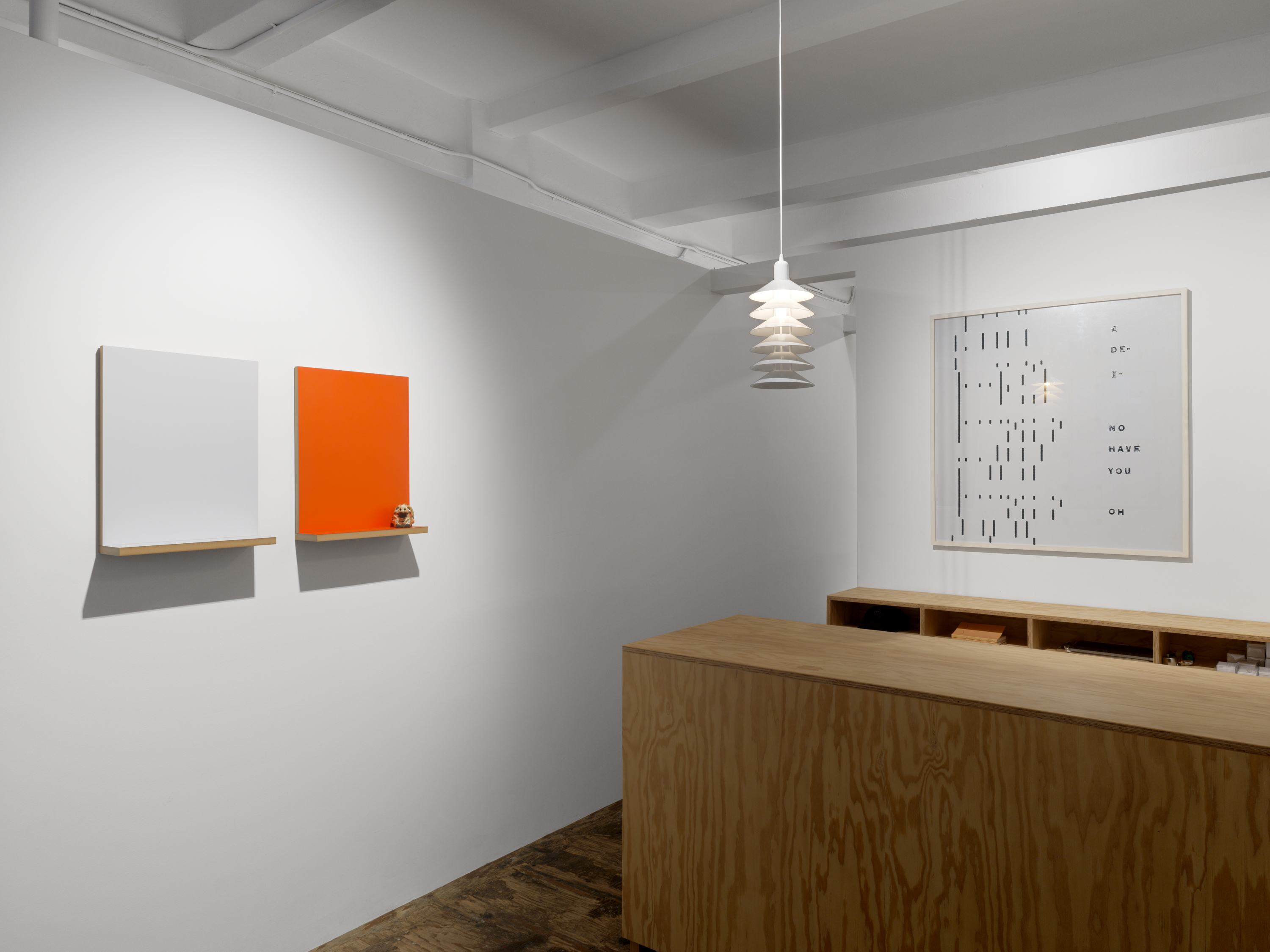
Installation view.
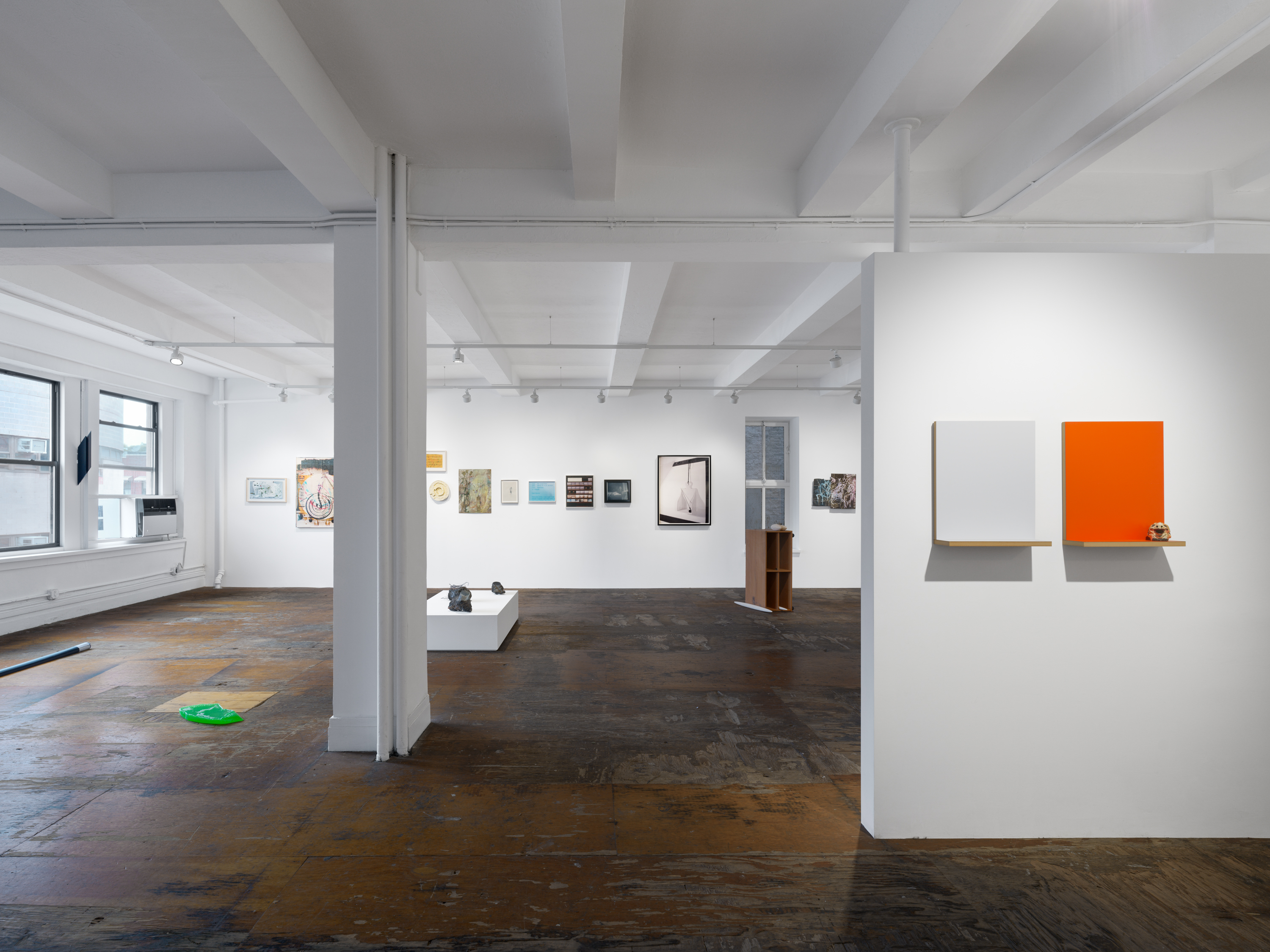
Installation view.
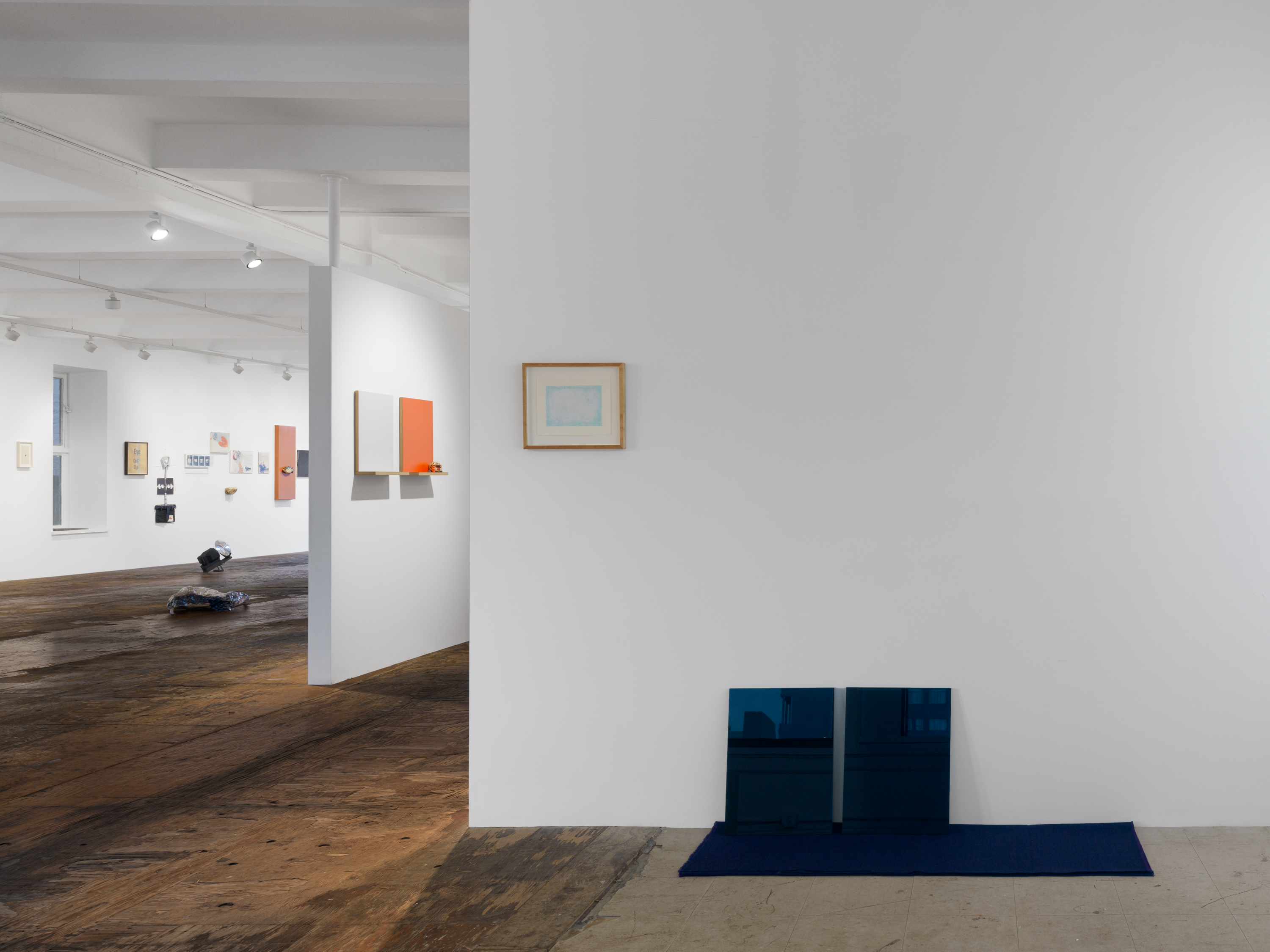
Installation view.
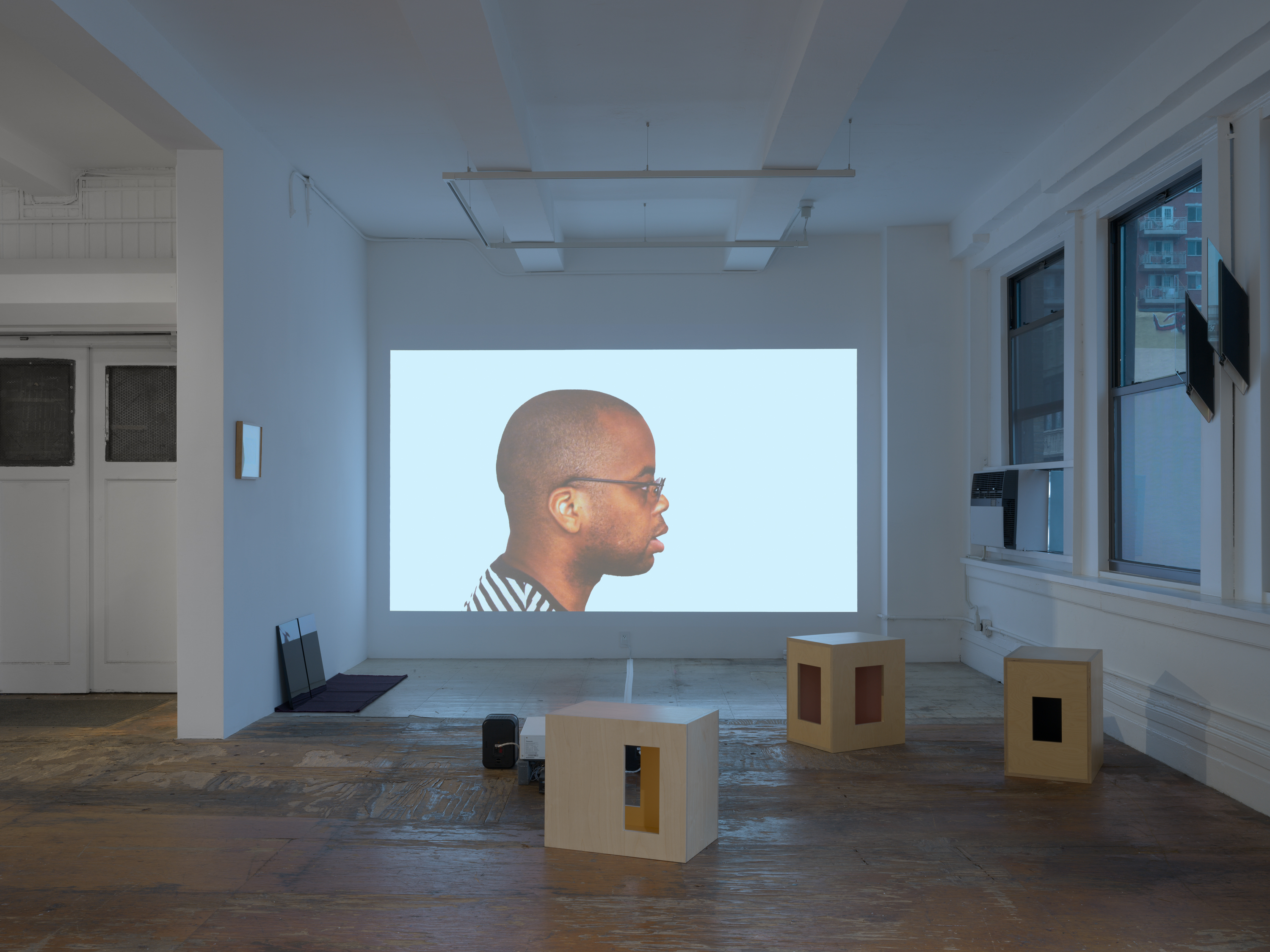
Installation view of Dave McKenzie, Wilfred and Me, 2012. Video, color, sound, 7:30, dimensions variable
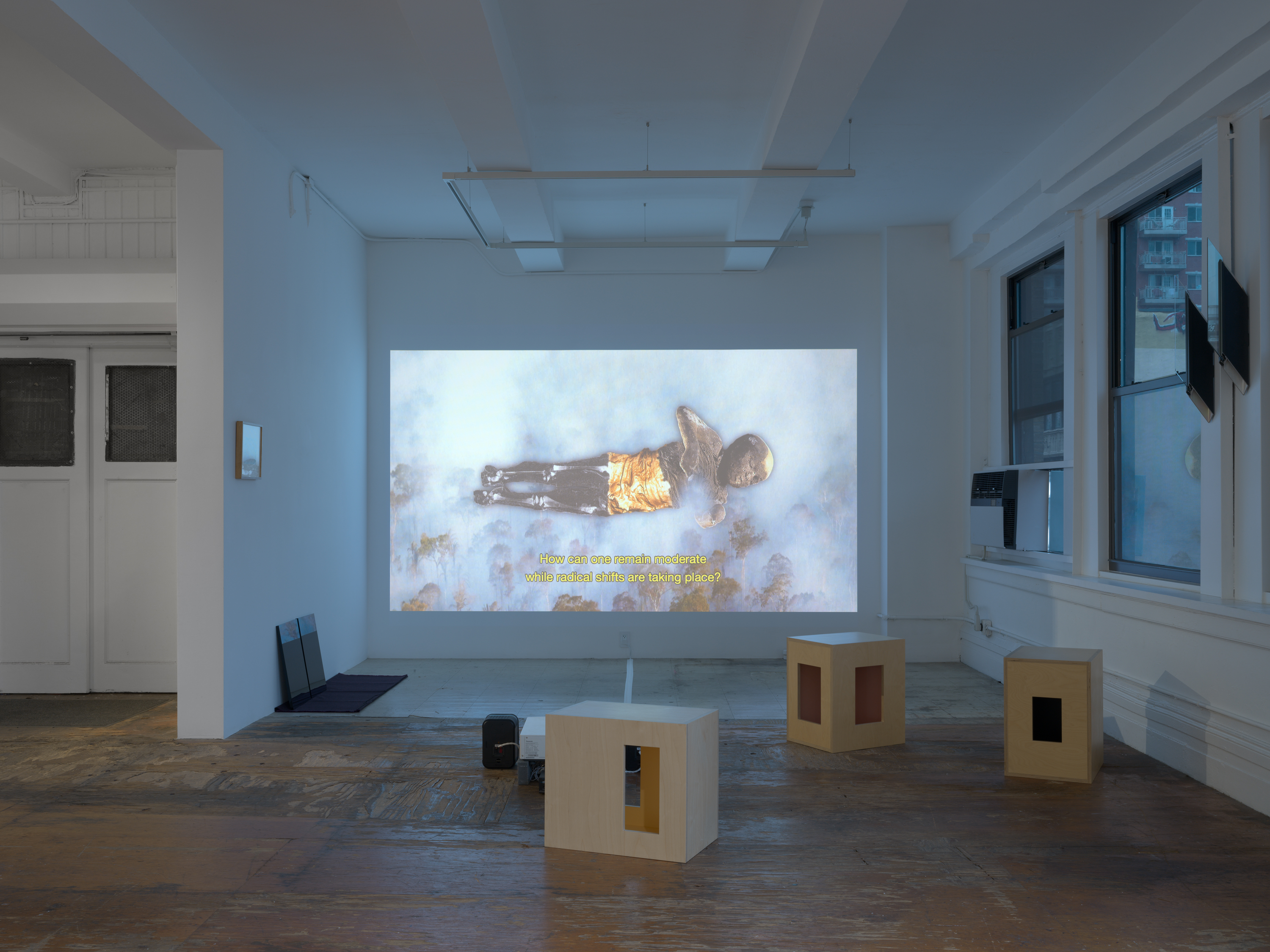
Installation view of Kevin Kelly, Interference, 2020. Video, 15 minutes 9 seconds
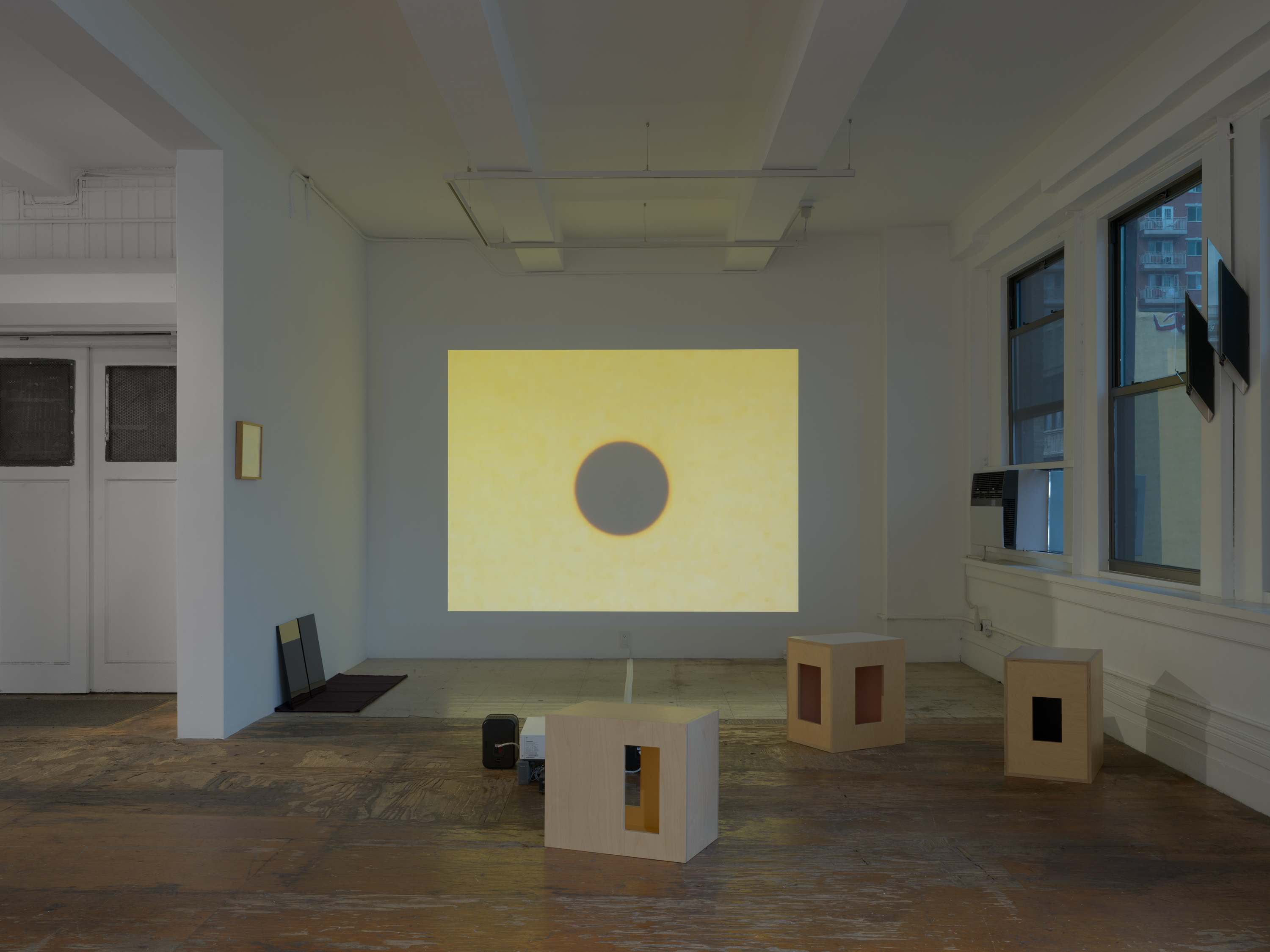
Installation view of P. Staff, On Venus, 2019. Single-channel HD video, color, sound, 13 min 6 sec
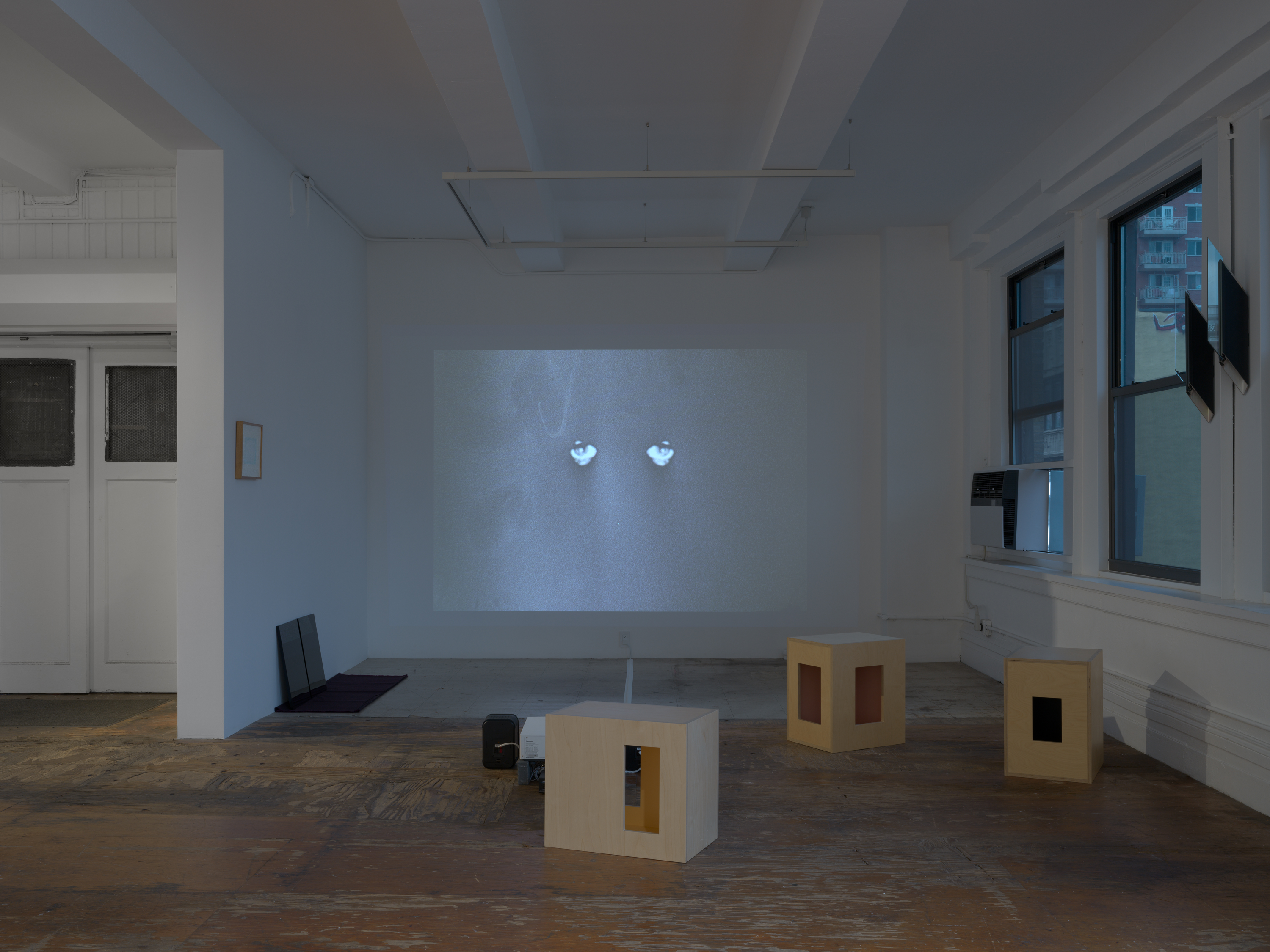
Installation view of Mary Helena Clark, Orpheus (outtakes), 2012. 16mm video
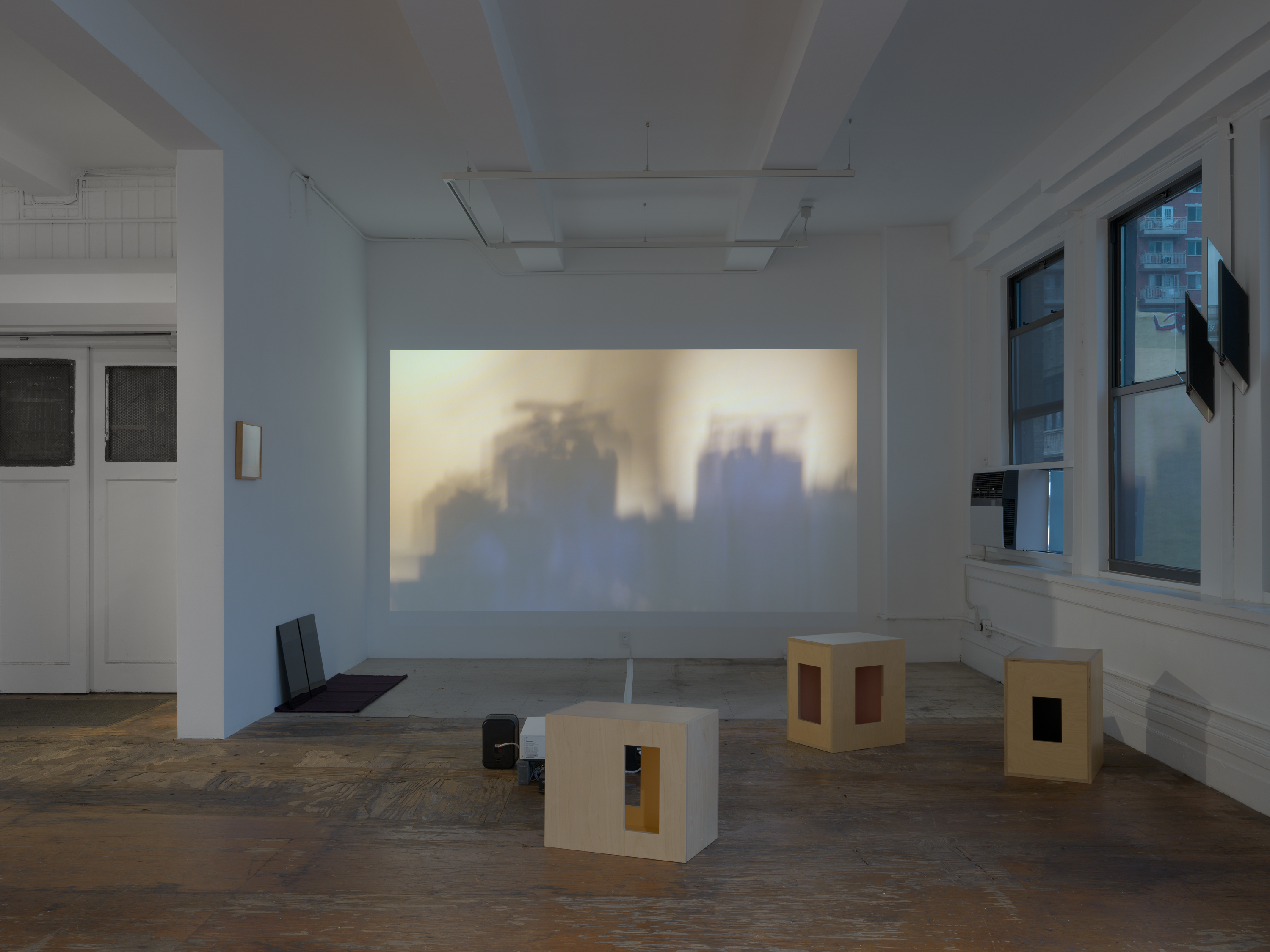
Installation view of William Wiebe, Double Feature, 2024. Digital video, HD, no sound, 9 minutes 22 seconds
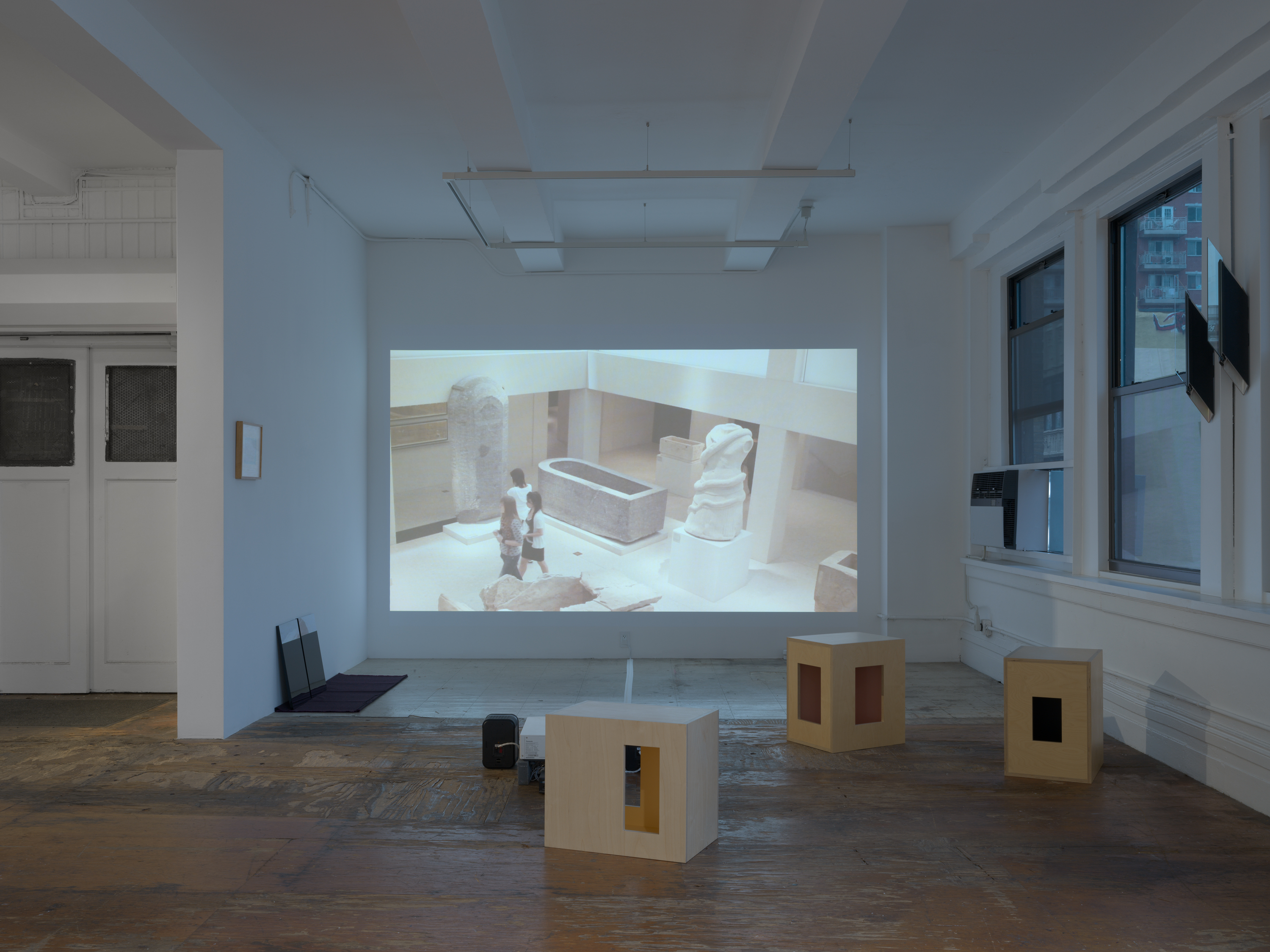
Installation view of Dave McKenzie, Old Man/ Sarcophagus, 2013. Color video, sound, 3:54, dimensions Variable
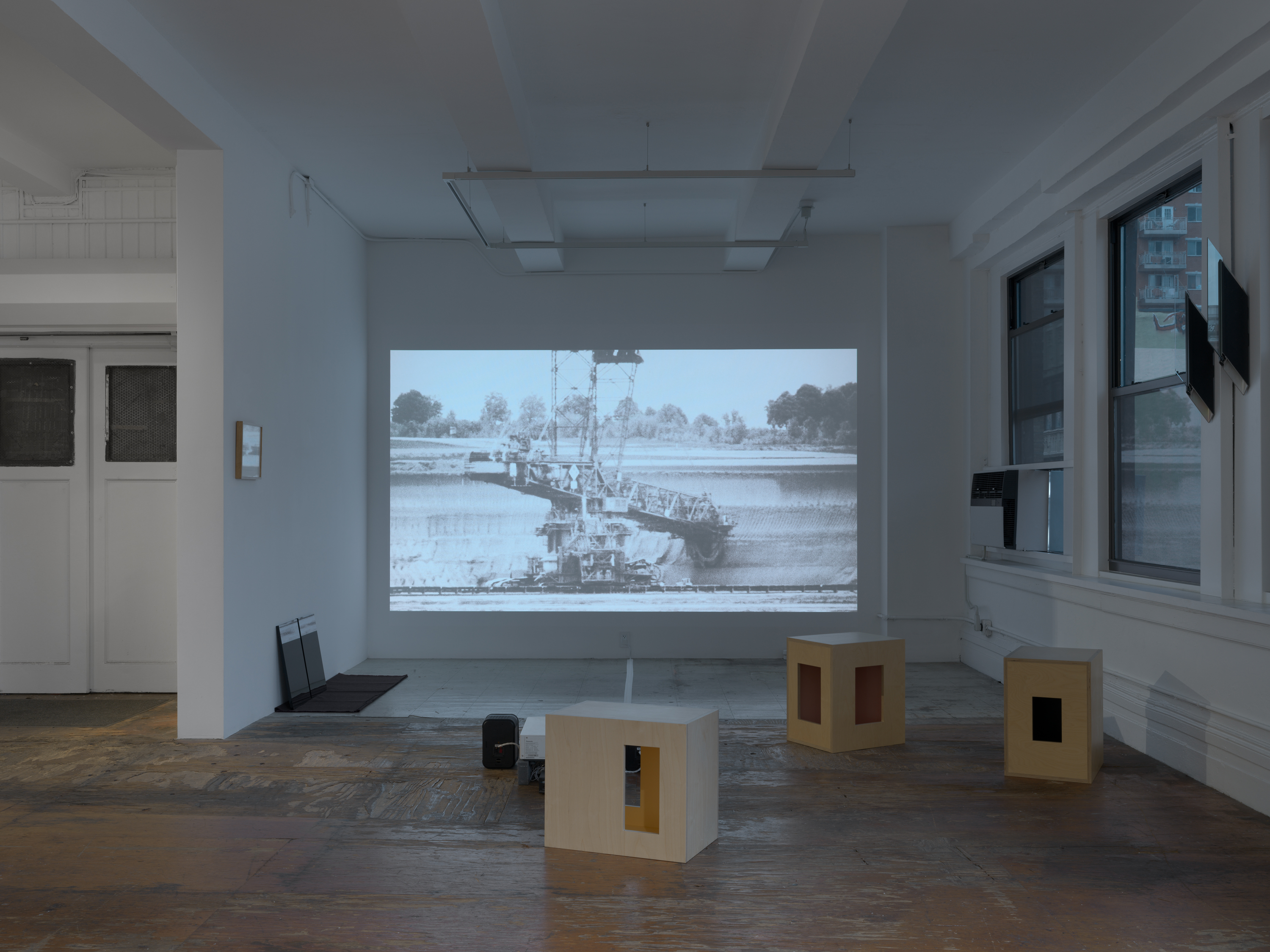
Installation view of Simon Shim-Sutcliffe
Quarters, 2025. HD video digitalized from 16mm, black and white, 9 minutes 38 seconds
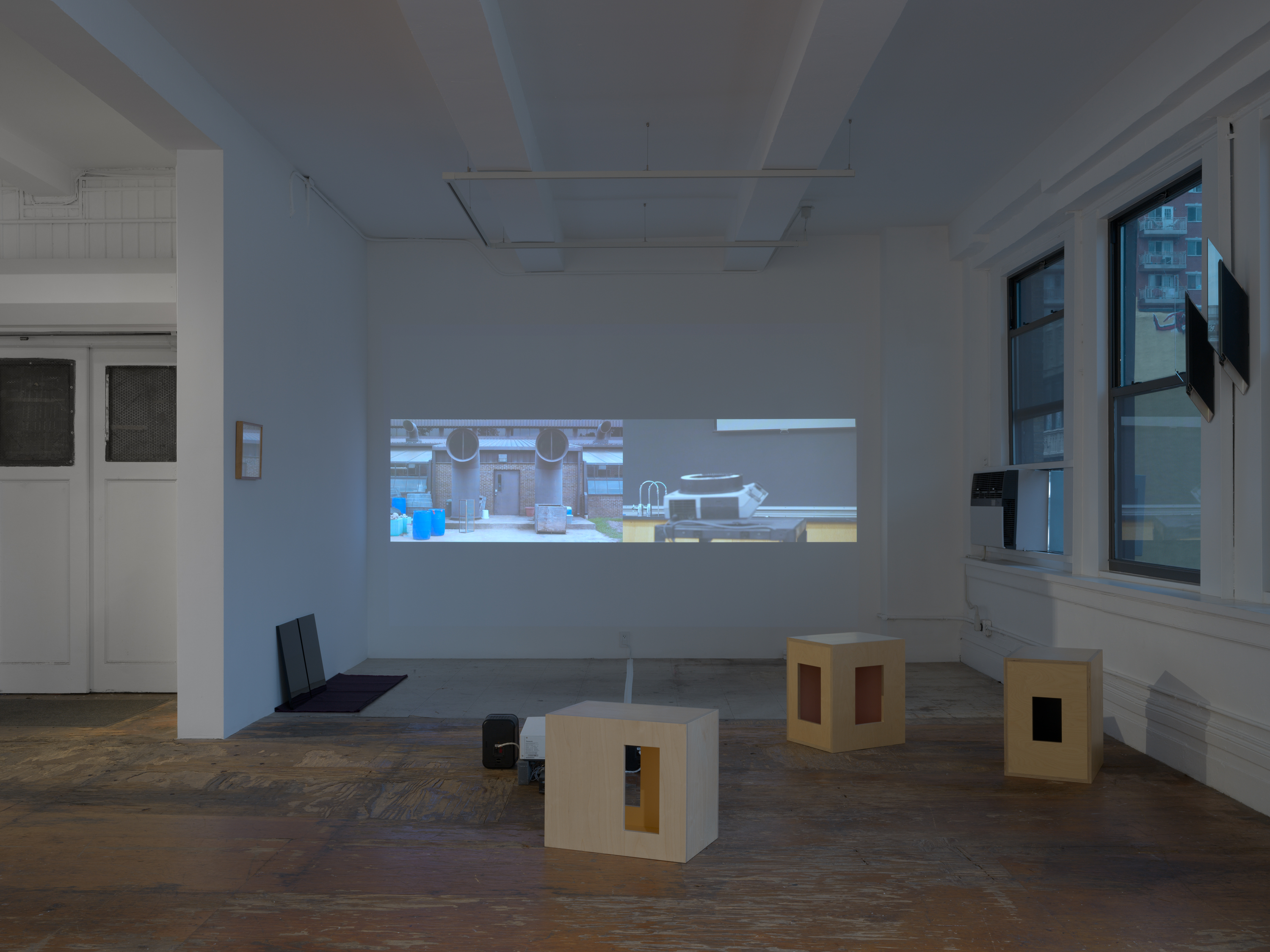
Installation view of Erin Johnson, Heavy Water, 2018. Video, 15 minutes 35 seconds
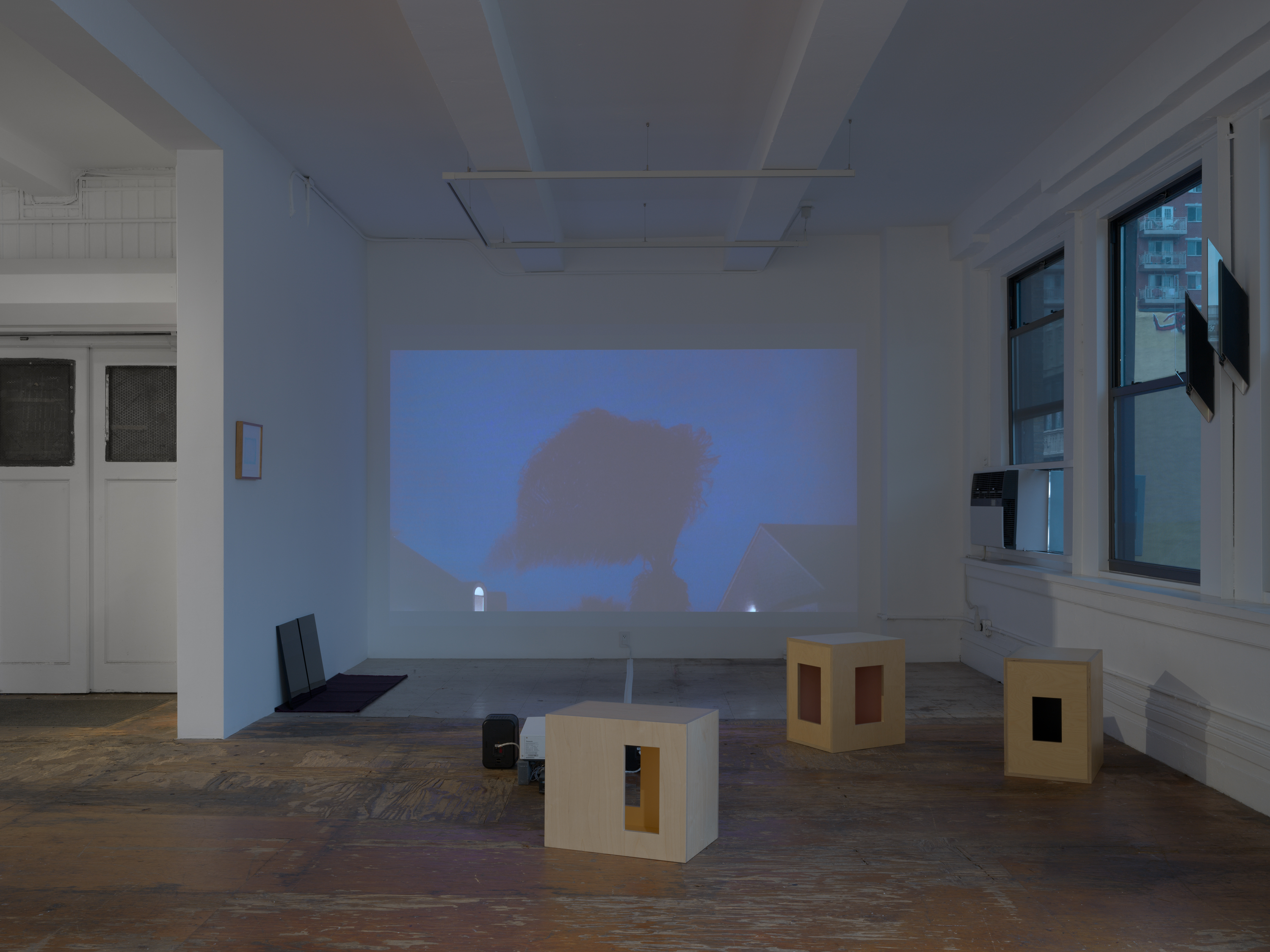
Installation view of Vijay Masharani, Tree, 2026. Single channel video, 1 minute 2 seconds
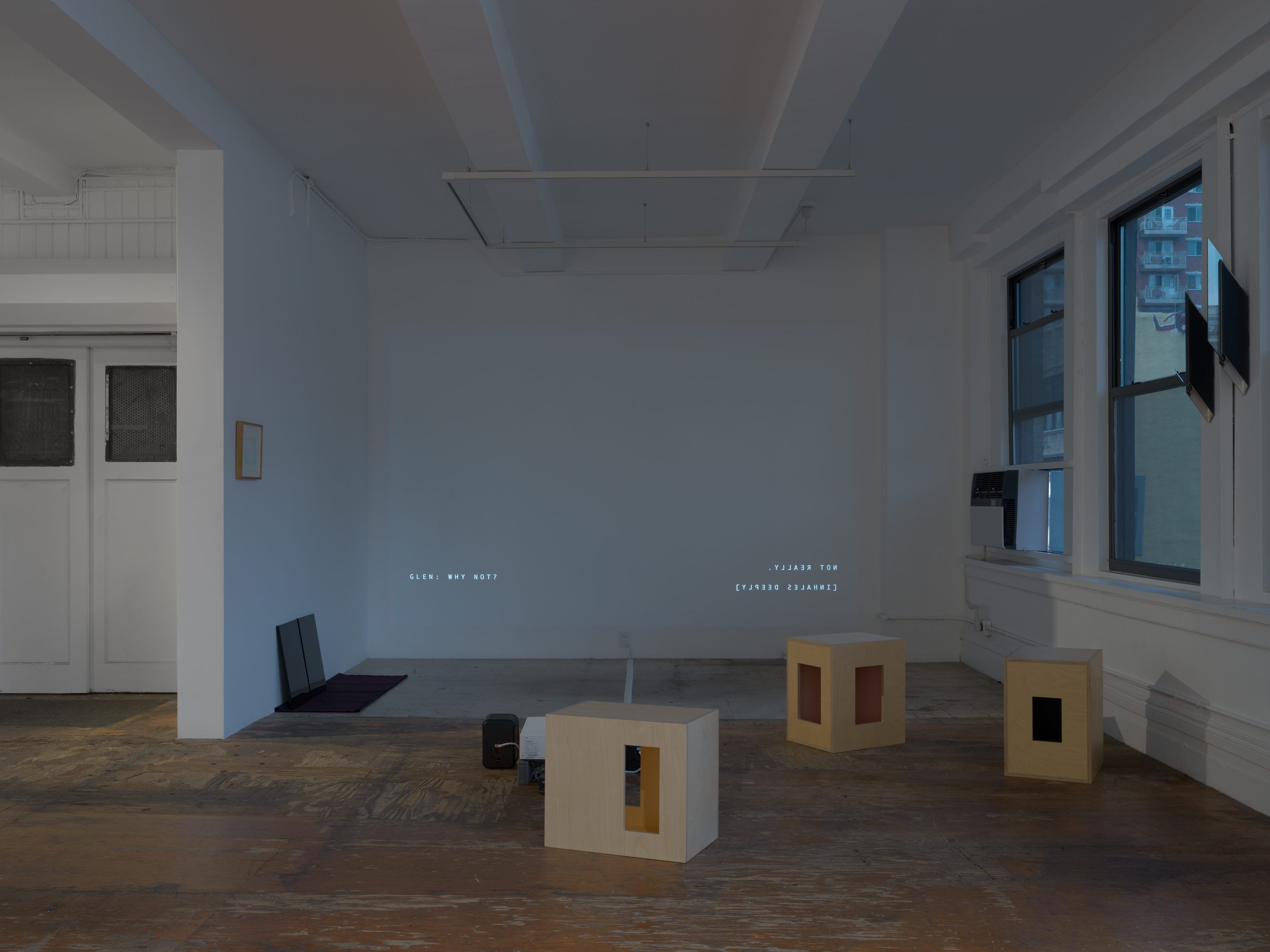
Installation view of Glen Fogel, Why Don’t I … Pretend To Be Your Dad, 2015. 2 channel video, sound, 29 minutes
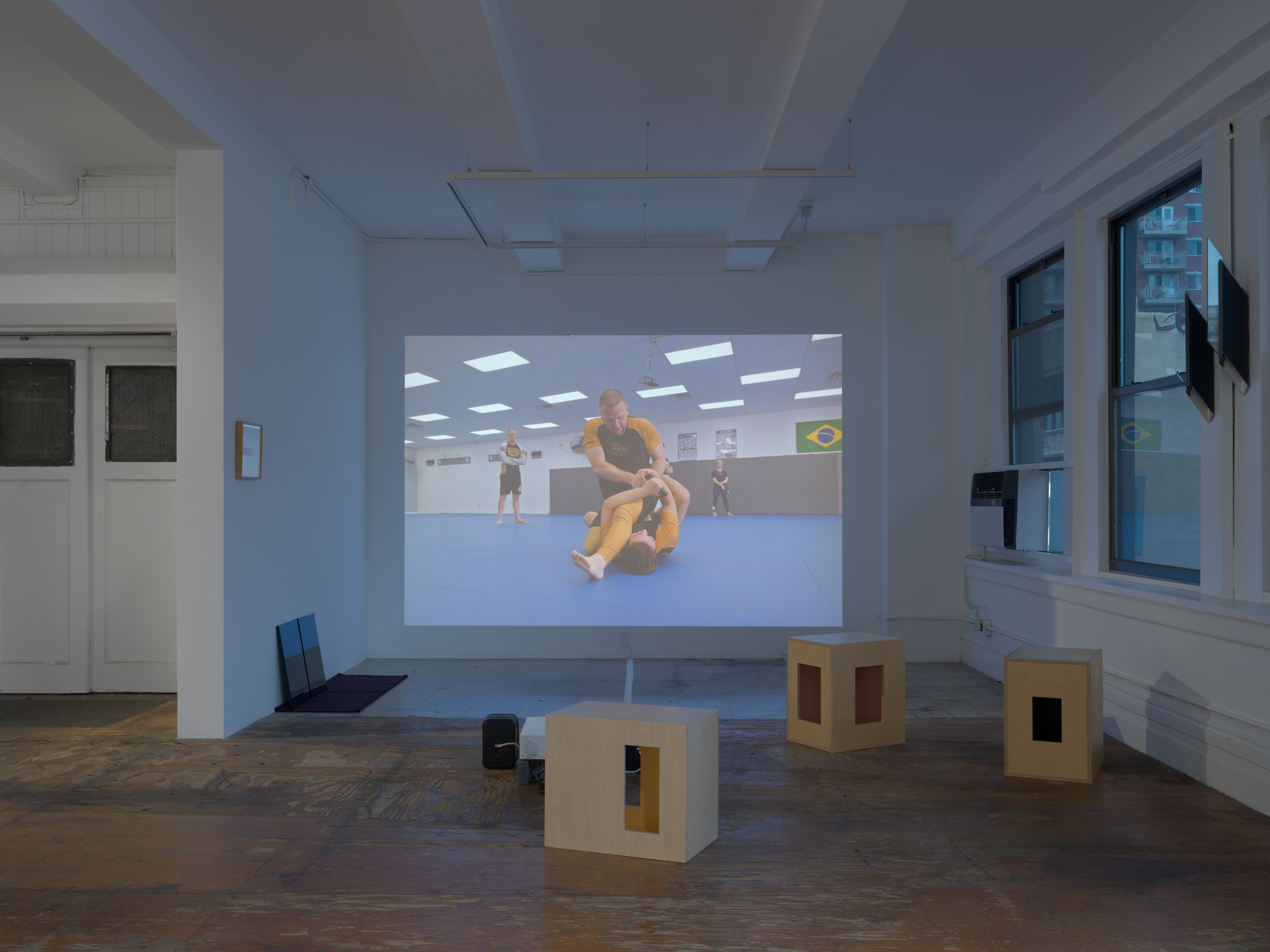
Installation view of Cooper Campbell, Elephant, 2024. Digital Video, 6 minutes 40 seconds
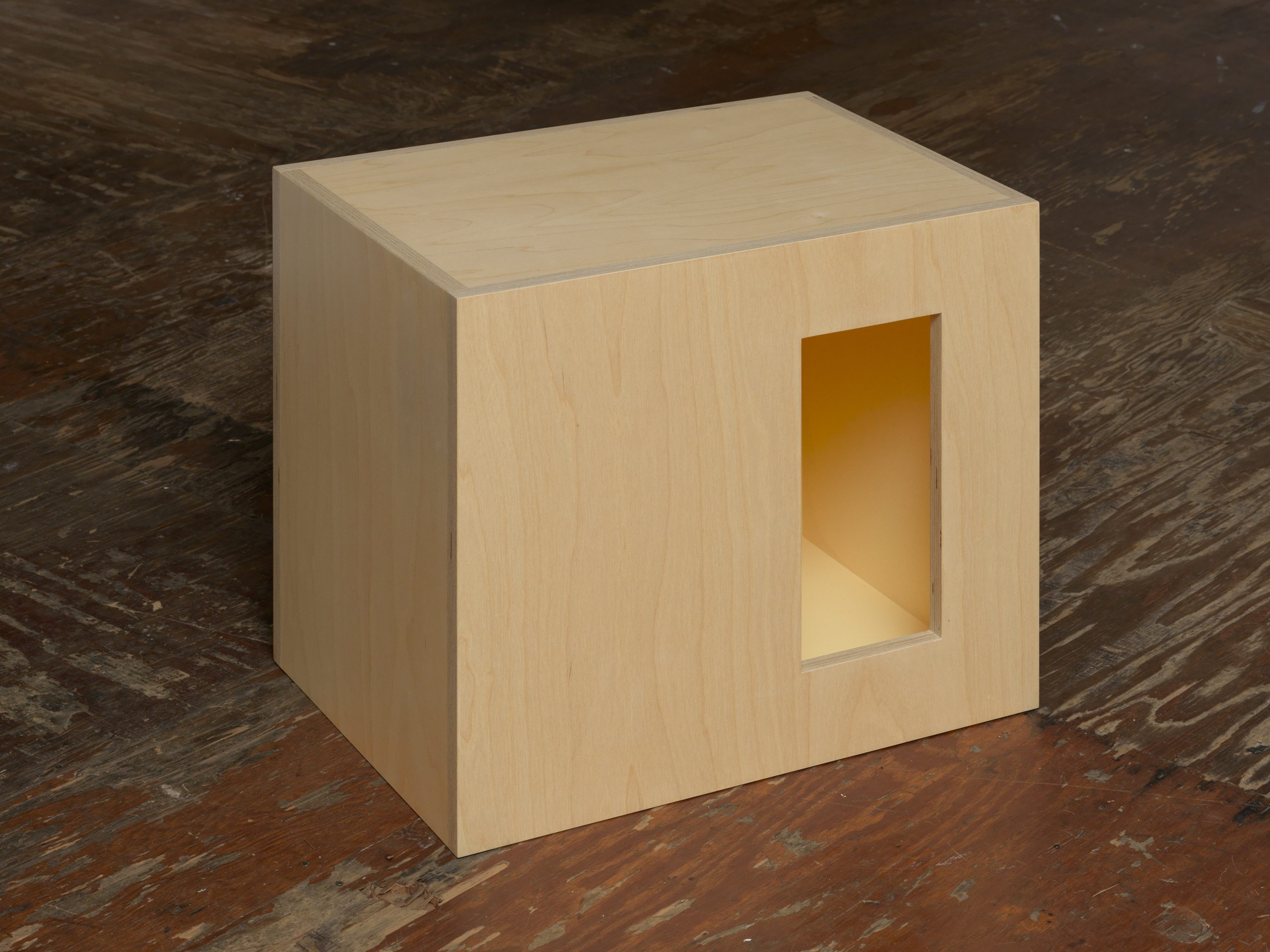
Gwenn Thomas, Standard Candles, 2017-2021. Wood and acrylic paint, 20 ½ x 18 ½ x 14 ¼ in; 52.1 x 47 x 36.2 cm
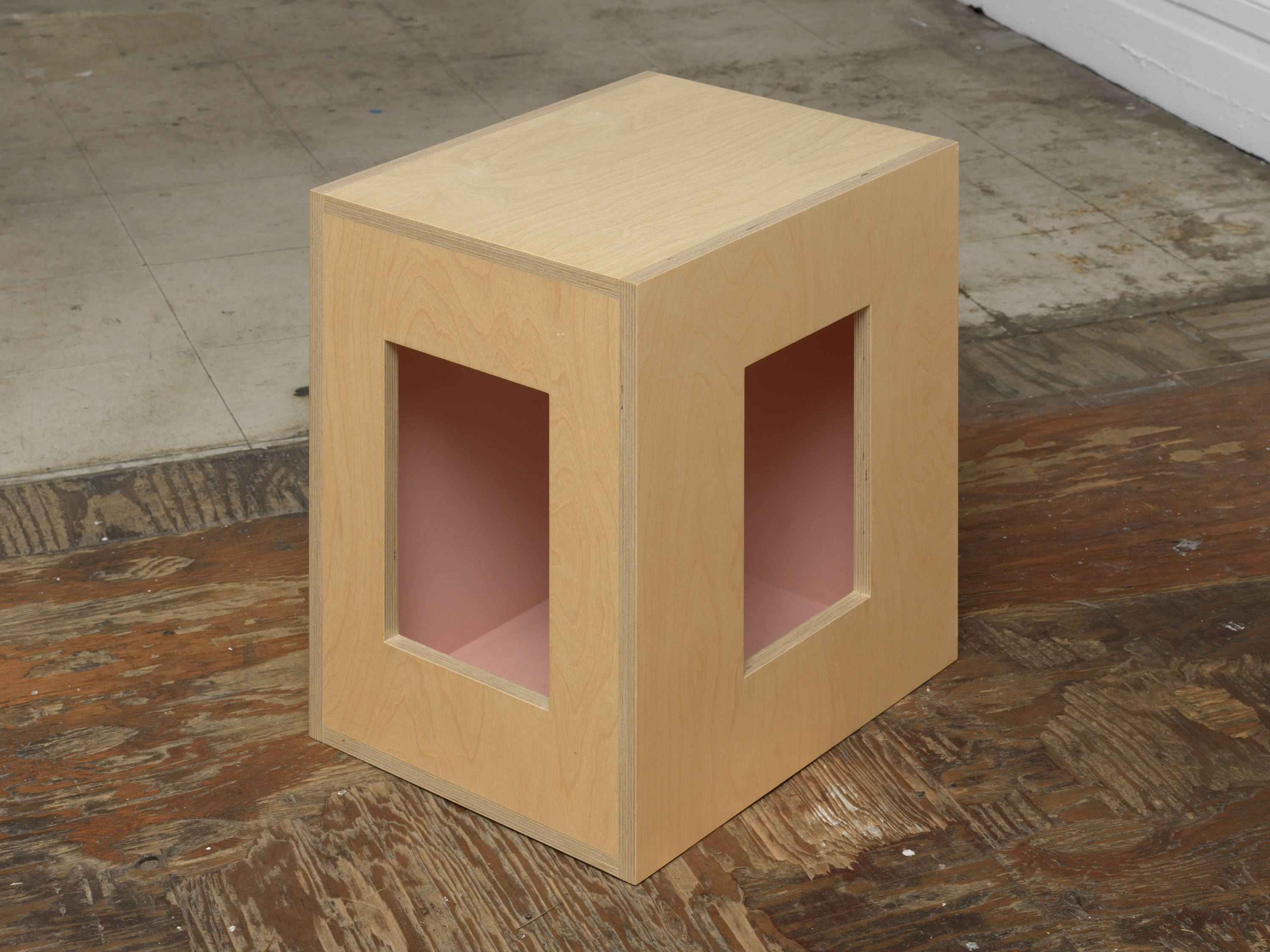
Gwenn Thomas, Standard Candles, 2017-2021. Wood and acrylic paint, 20 ½ x 18 ½ x 14 ¼ in; 52.1 x 47 x 36.2 cm
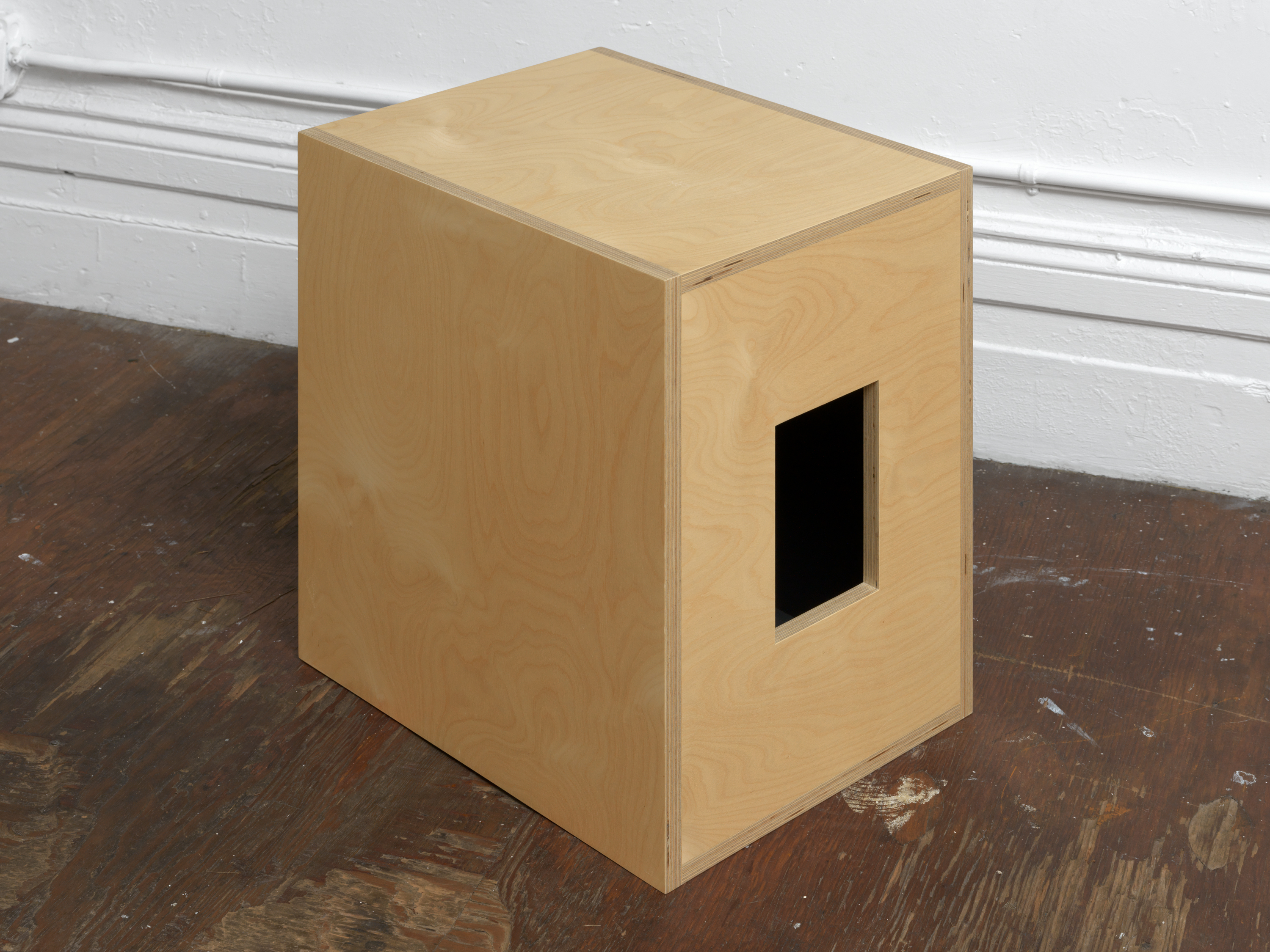
Gwenn Thomas, Standard Candles, 2017-2021. Wood and acrylic paint, 20 ½ x 18 ½ x 14 ¼ in; 52.1 x 47 x 36.2 cm
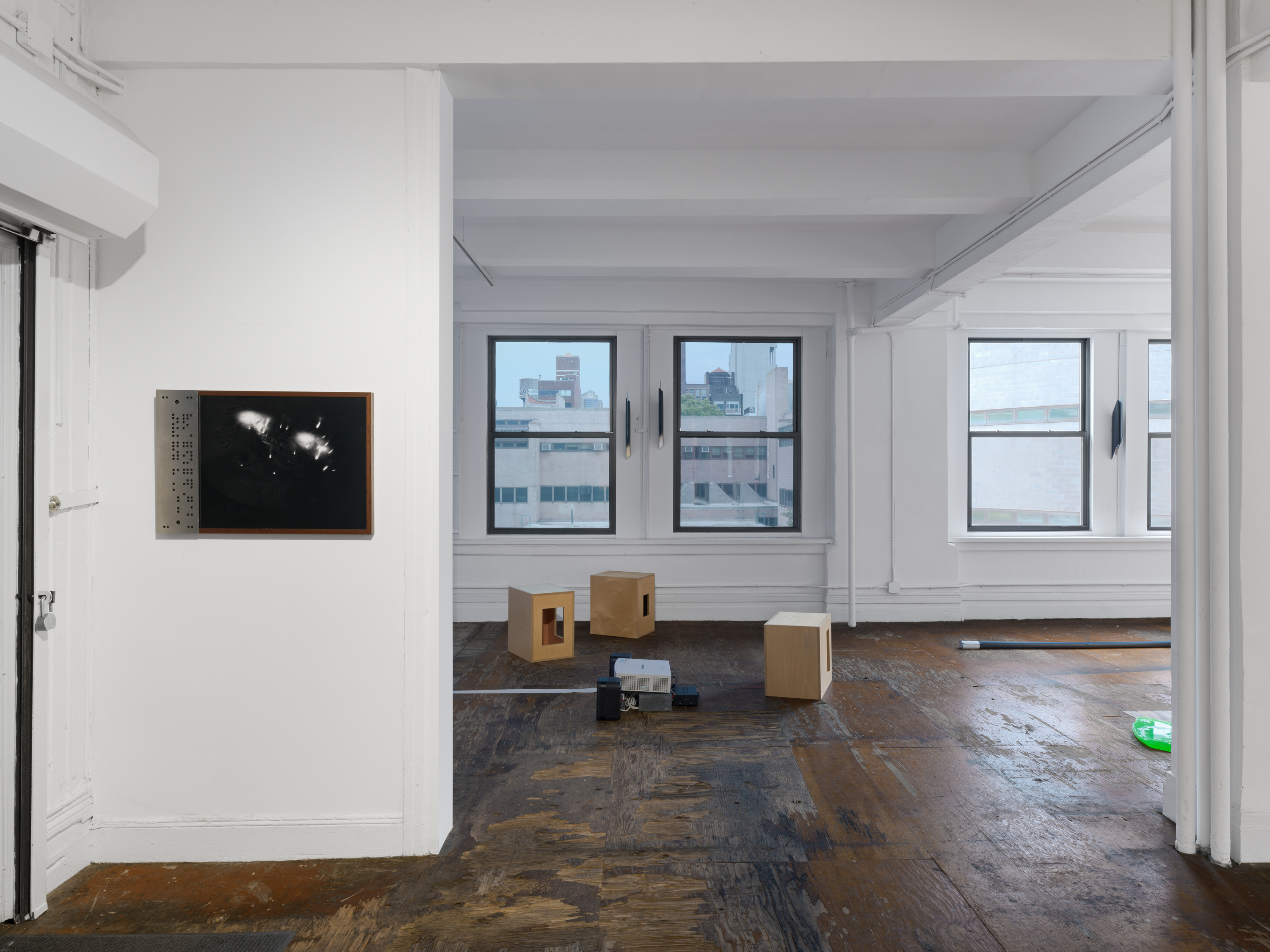
Installation view.
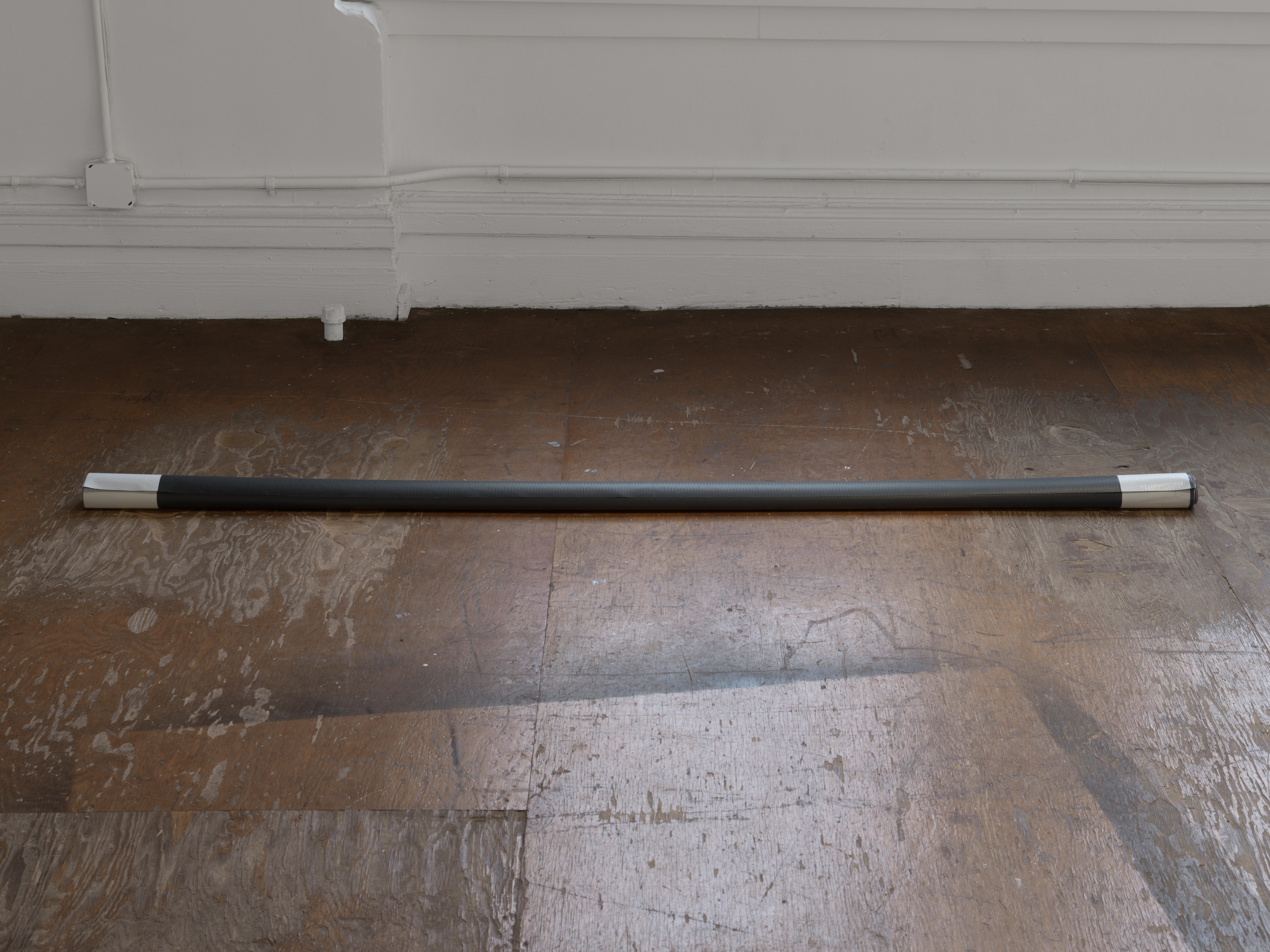
William Wiebe, Untitled Billboards, 2026. Printed vinyl, 84 x 3 ¼ x 2 ½ in; 213.4 x 8.3 x 6.3 cm
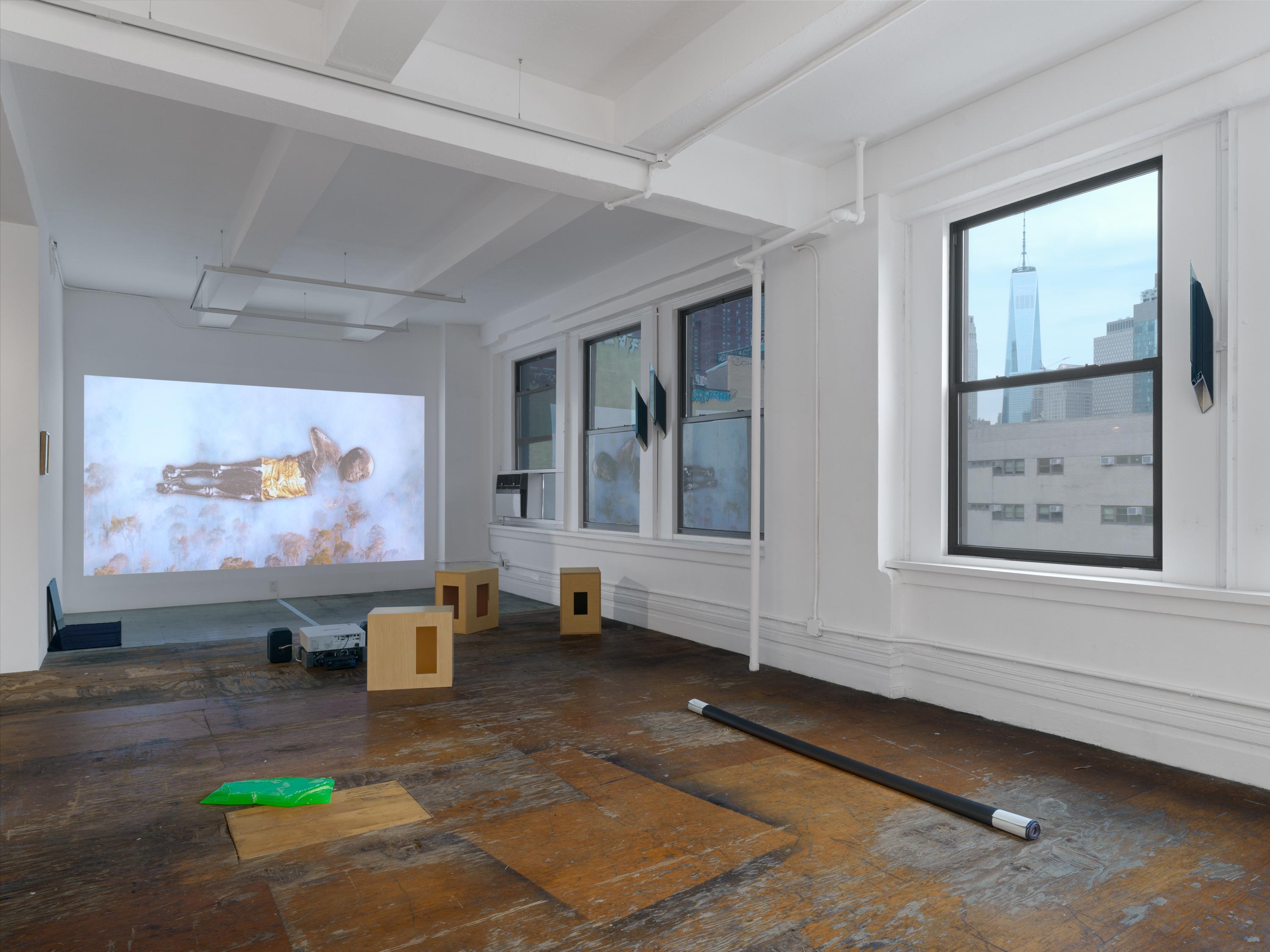
Installation view.
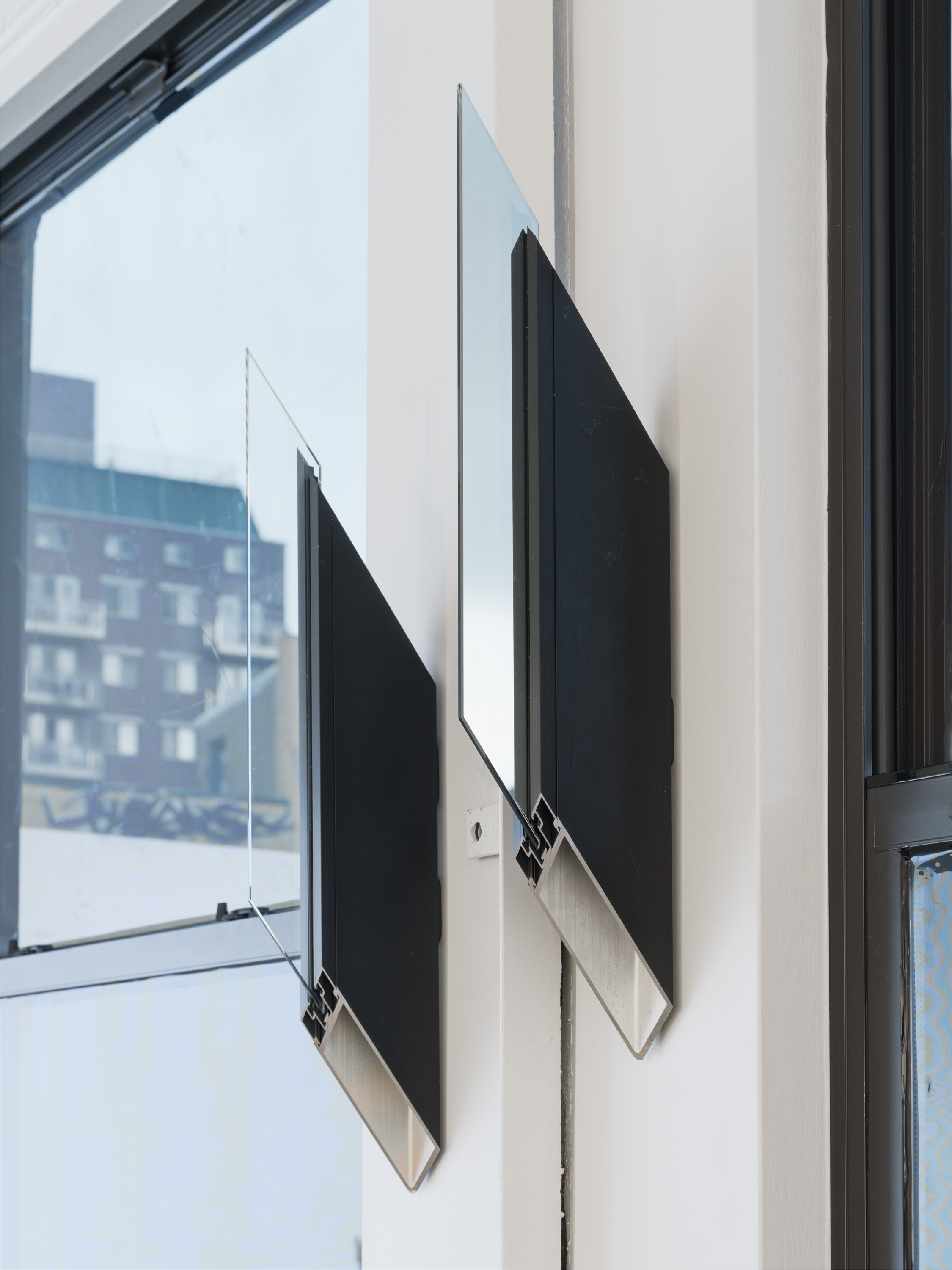
WS-E3-1, 2019
Aluminum, glass, hardware,
rubber
Dimensions variable
WS-E3-1A, 2019
Aluminum, one-way mirror
glass, hardware, rubber
Dimensions variable
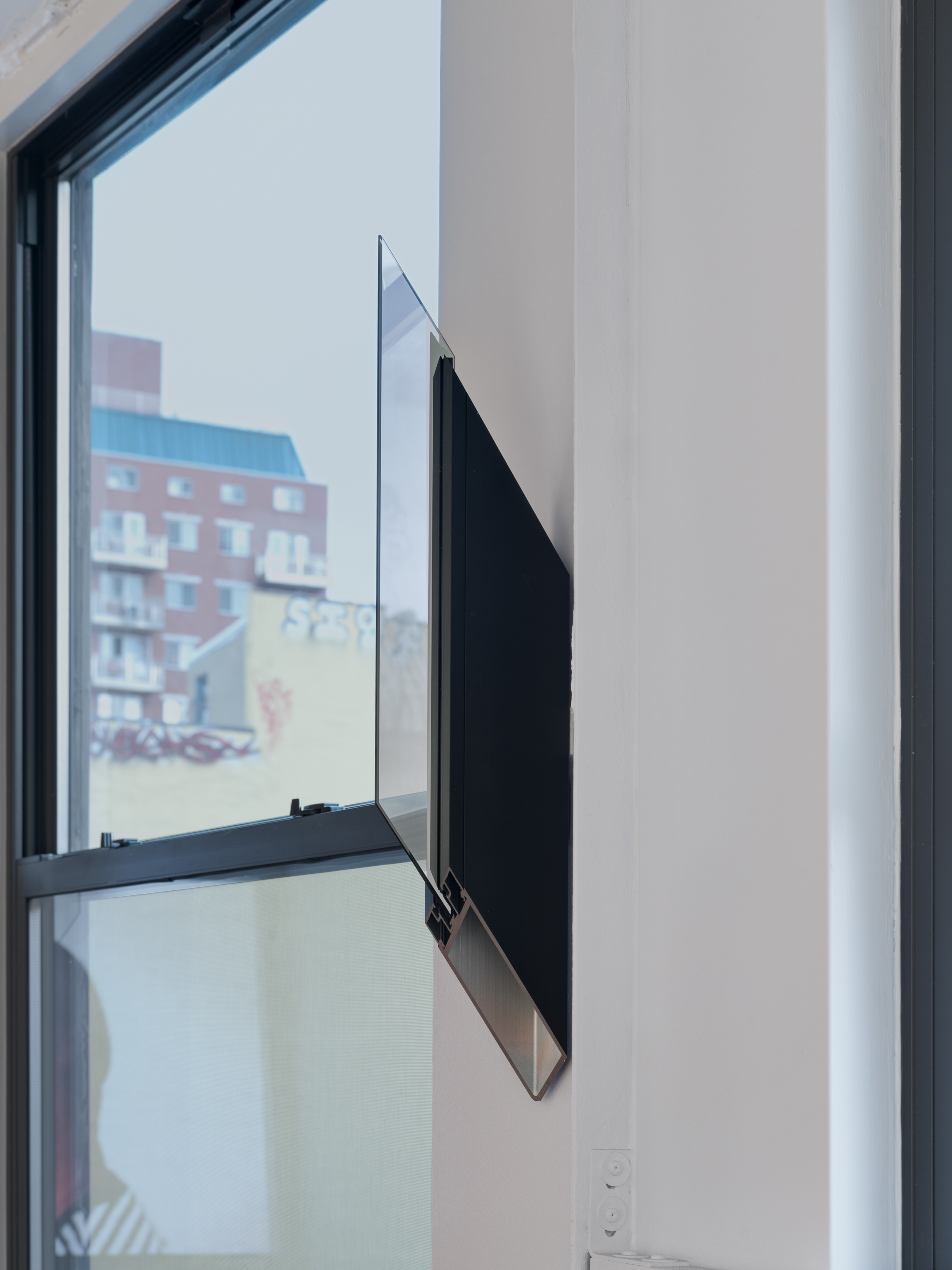
Alan Ruiz, WS-E3-1A, 2019. Aluminum, glass, hardware, rubber, dimensions variable
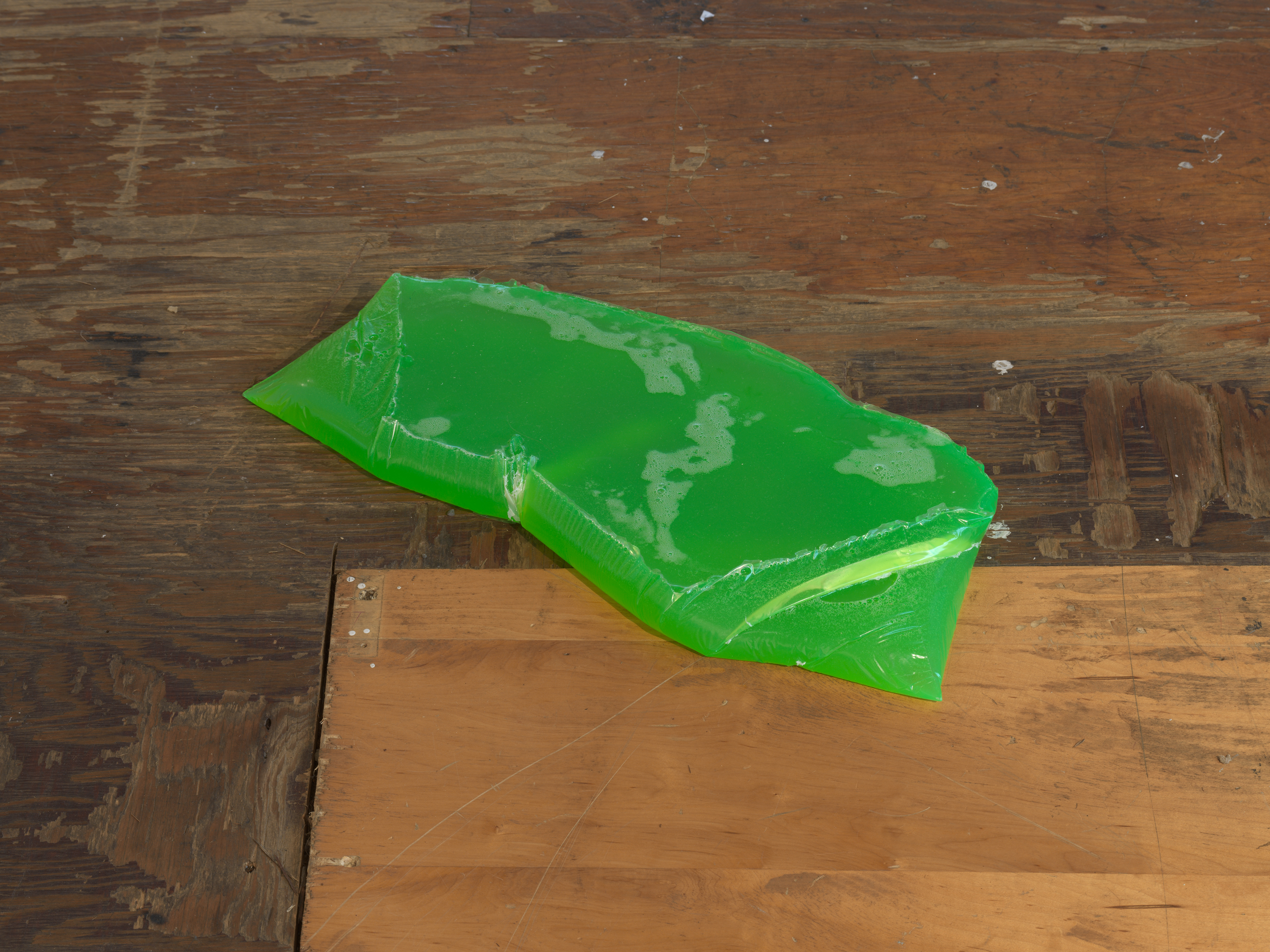
Carrie Yamaoka, Cast bag (green) #1 , 2026. Cast urethane resin and mixed media, 21 x 10 x 2 in; 53.3 x 25.4 x 5.1 cm
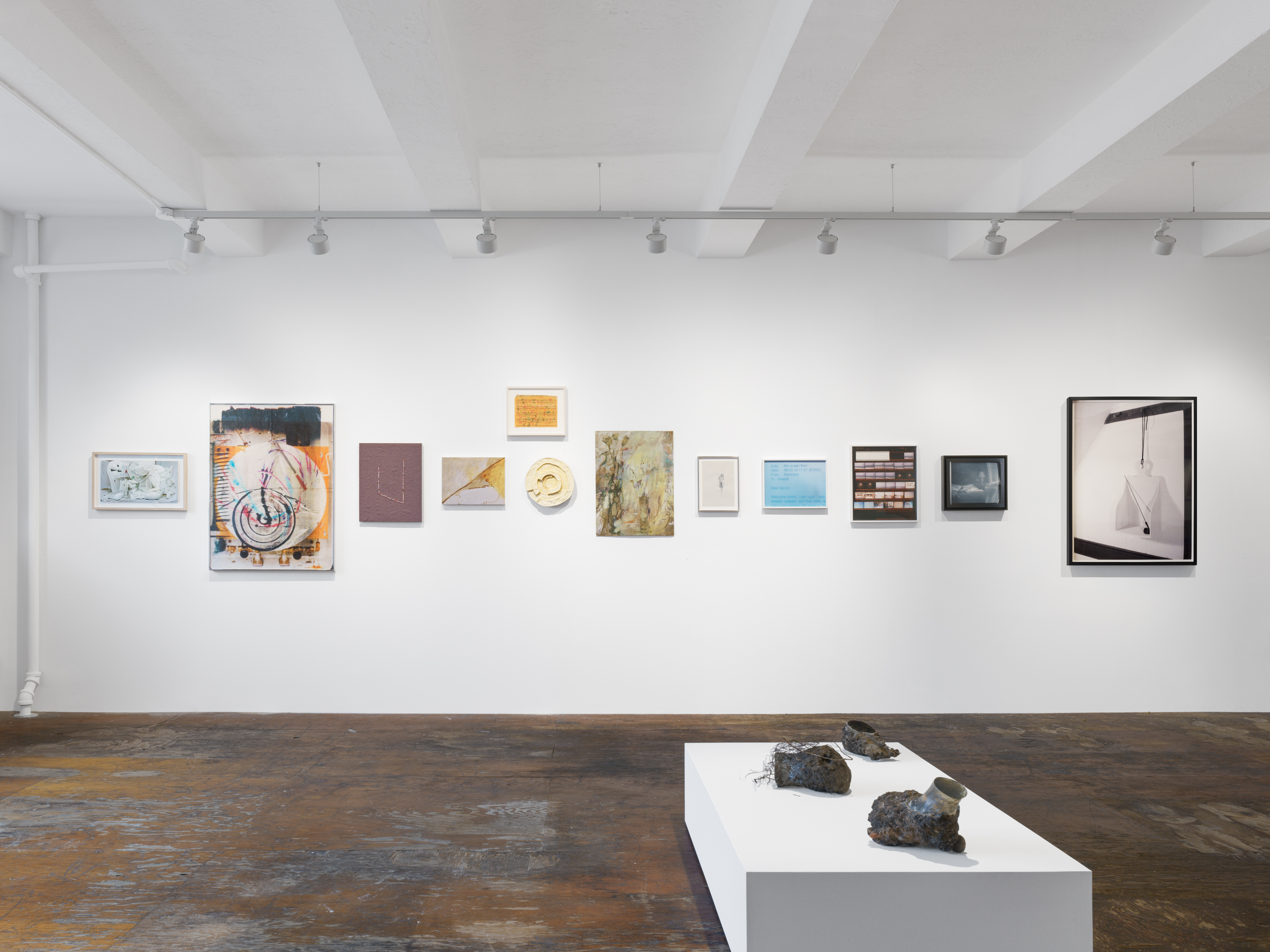
Installation view.
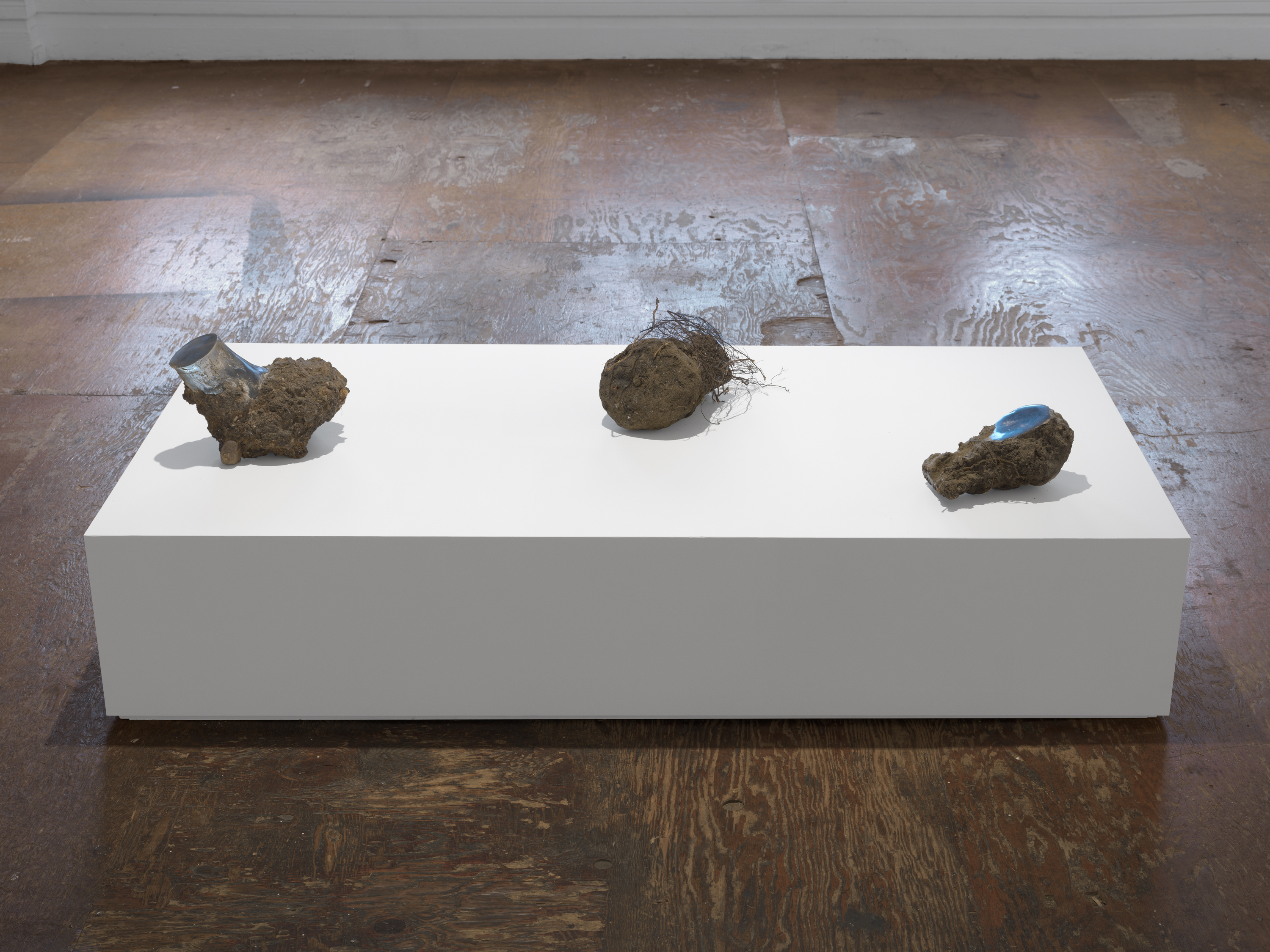
Installation view of David Nelson.
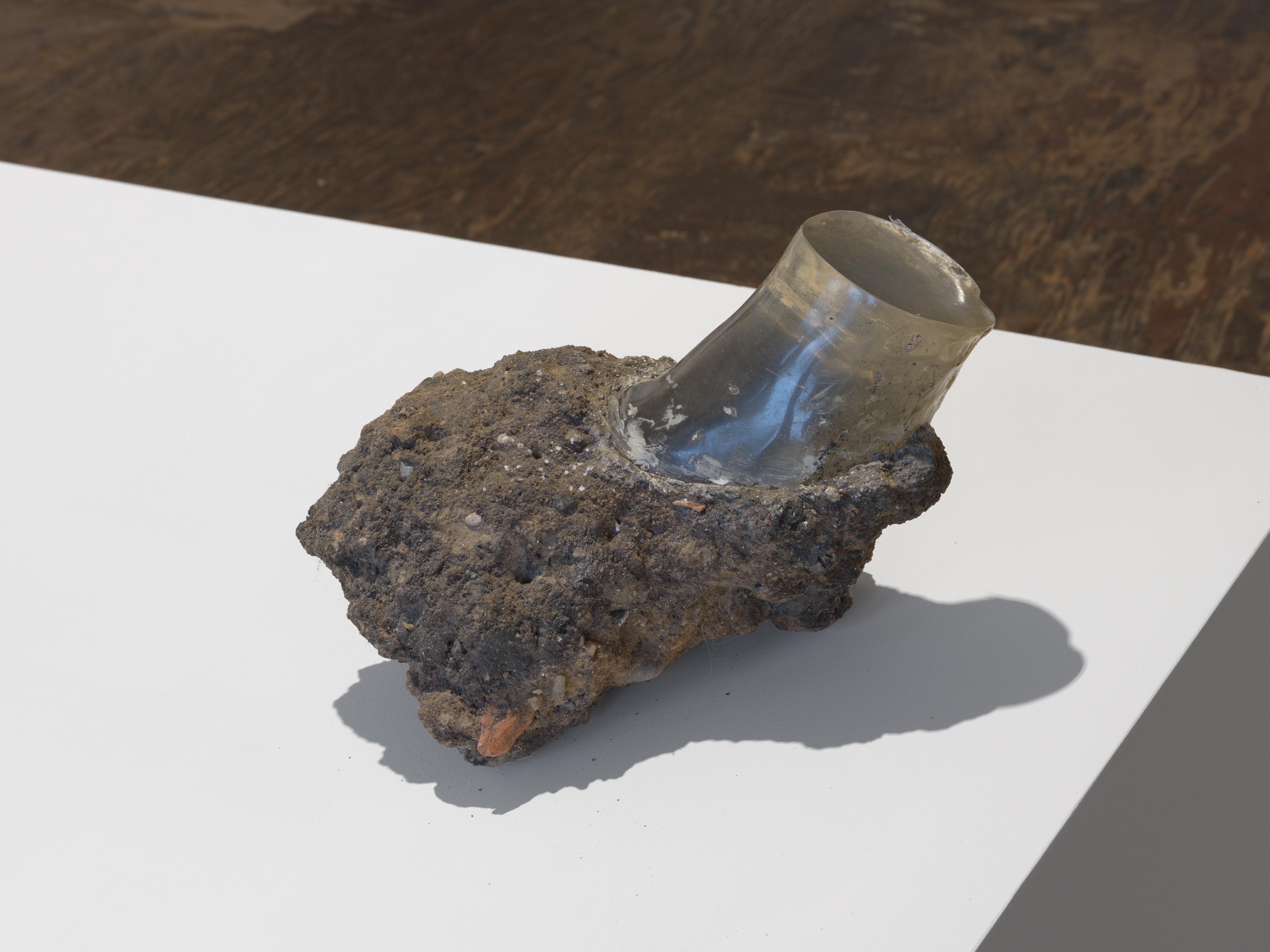
David Nelson, Untitled (Hole), c. 1998-2000. Resin, dirt, roots, rocks, 11 ½ x 11 ½ x 7 ½ in; 29.2 x 29.2 x 19.1 cm
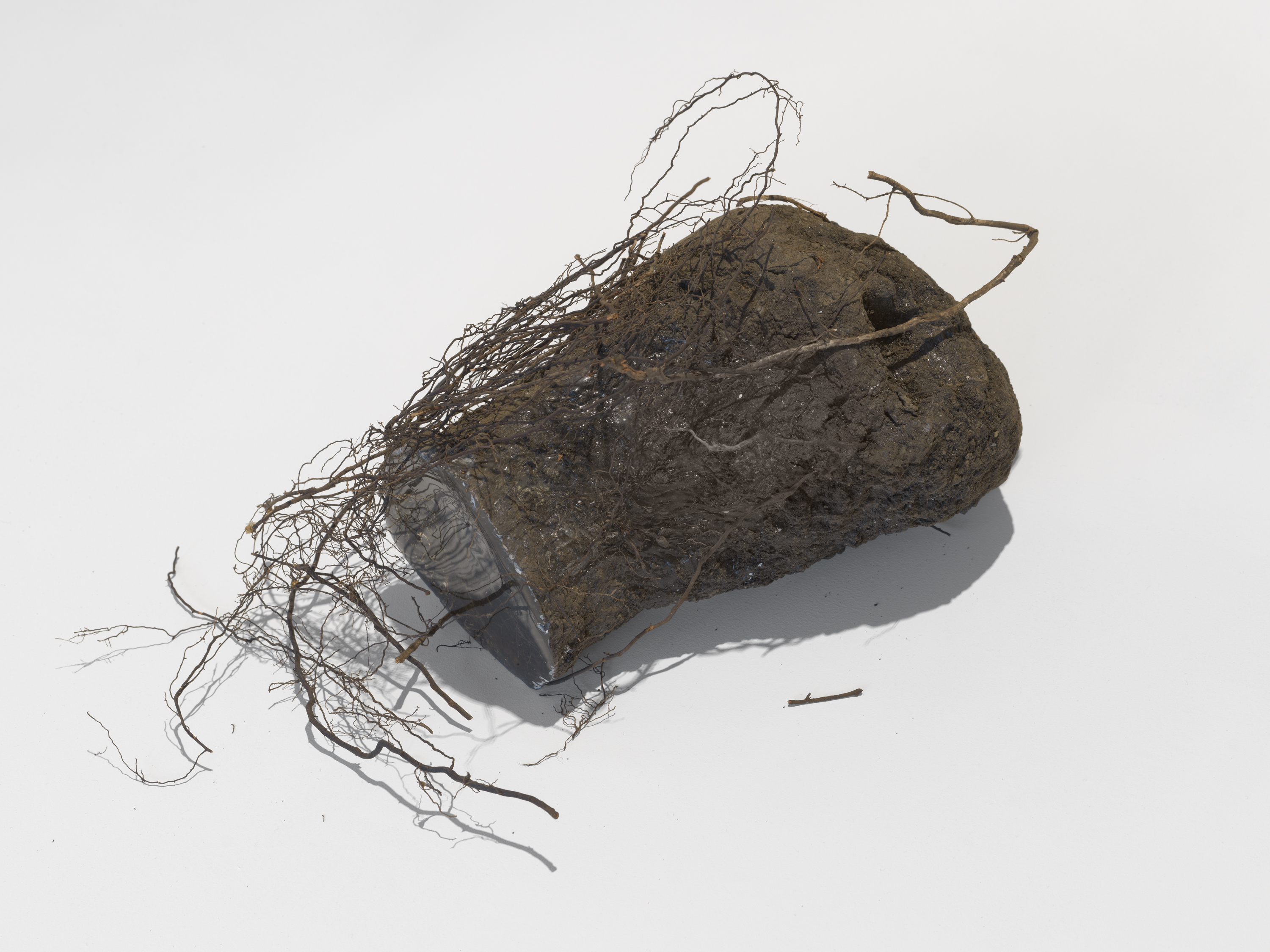
David Nelson, Hole #19, 1999. Resin, dirt, roots, rocks, 10 x 16 x 10 in (variable); 25.4 x 40.6 x 25.4 cm
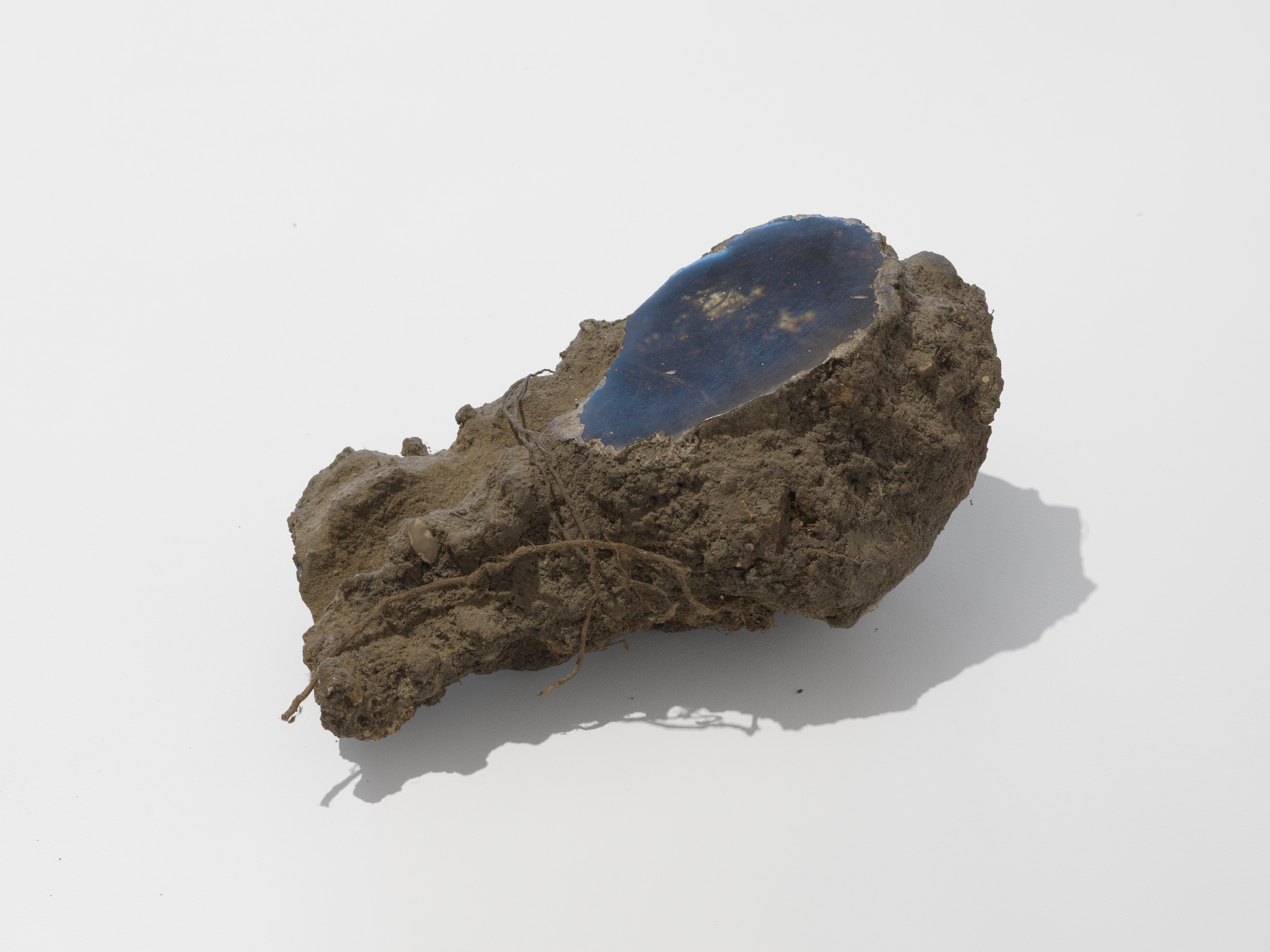
David Nelson, Untitled (Hole), c. 1998-2000. Resin, dirt, roots, rocks, 10 x 6 x 5 in; 25.4 x 15.2 x 12.7 cm
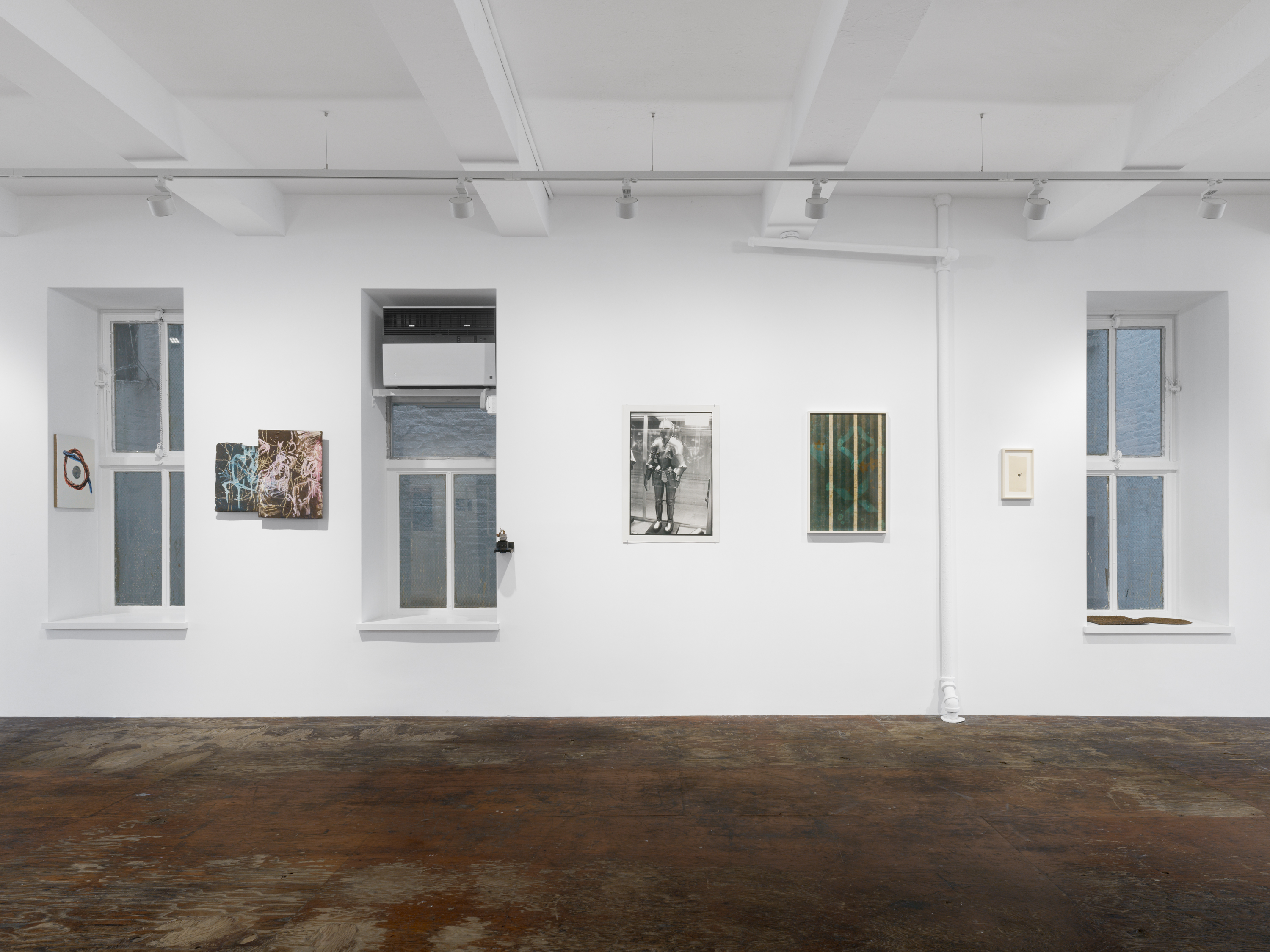
Installation view.
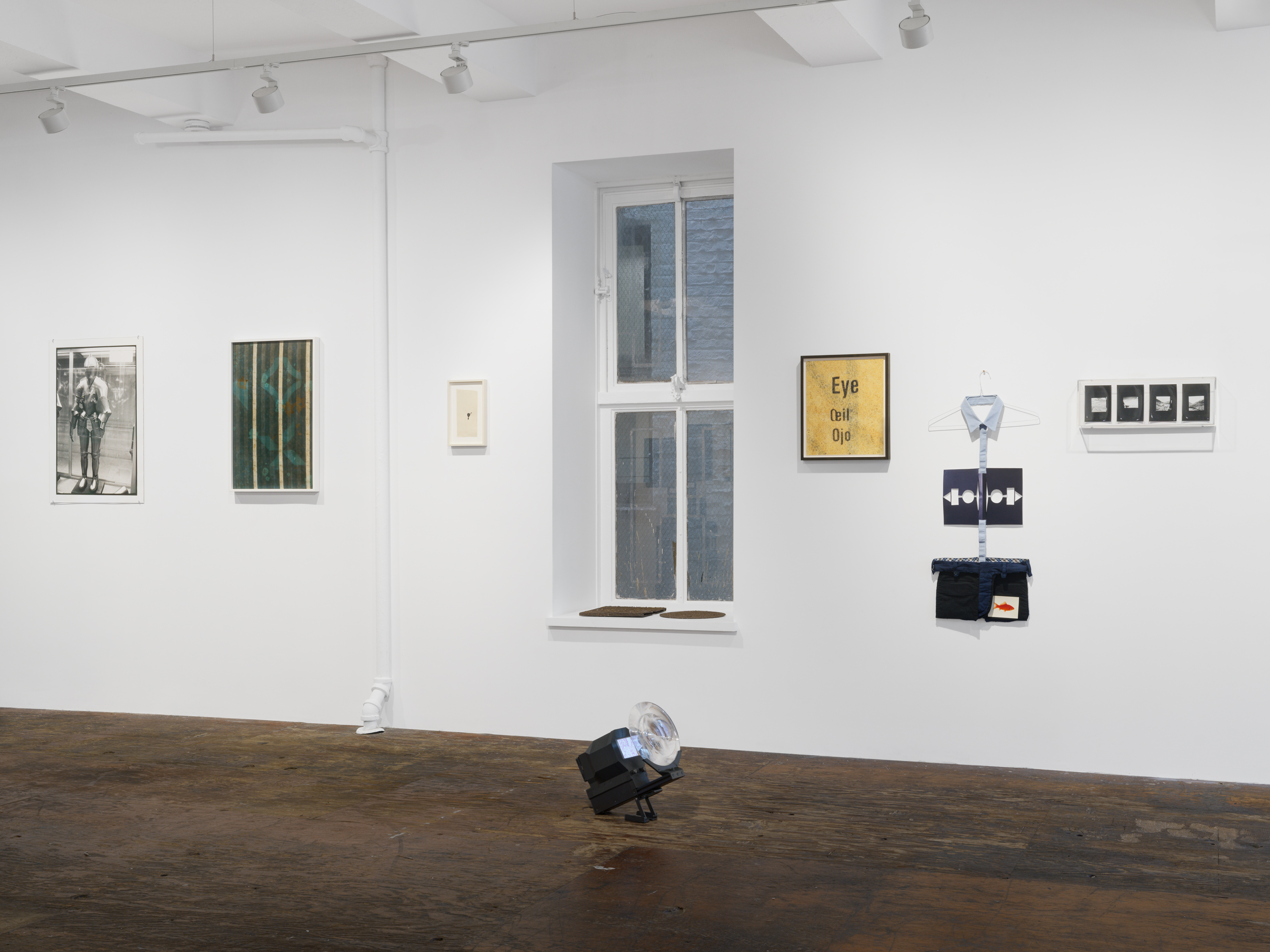
Installation view.
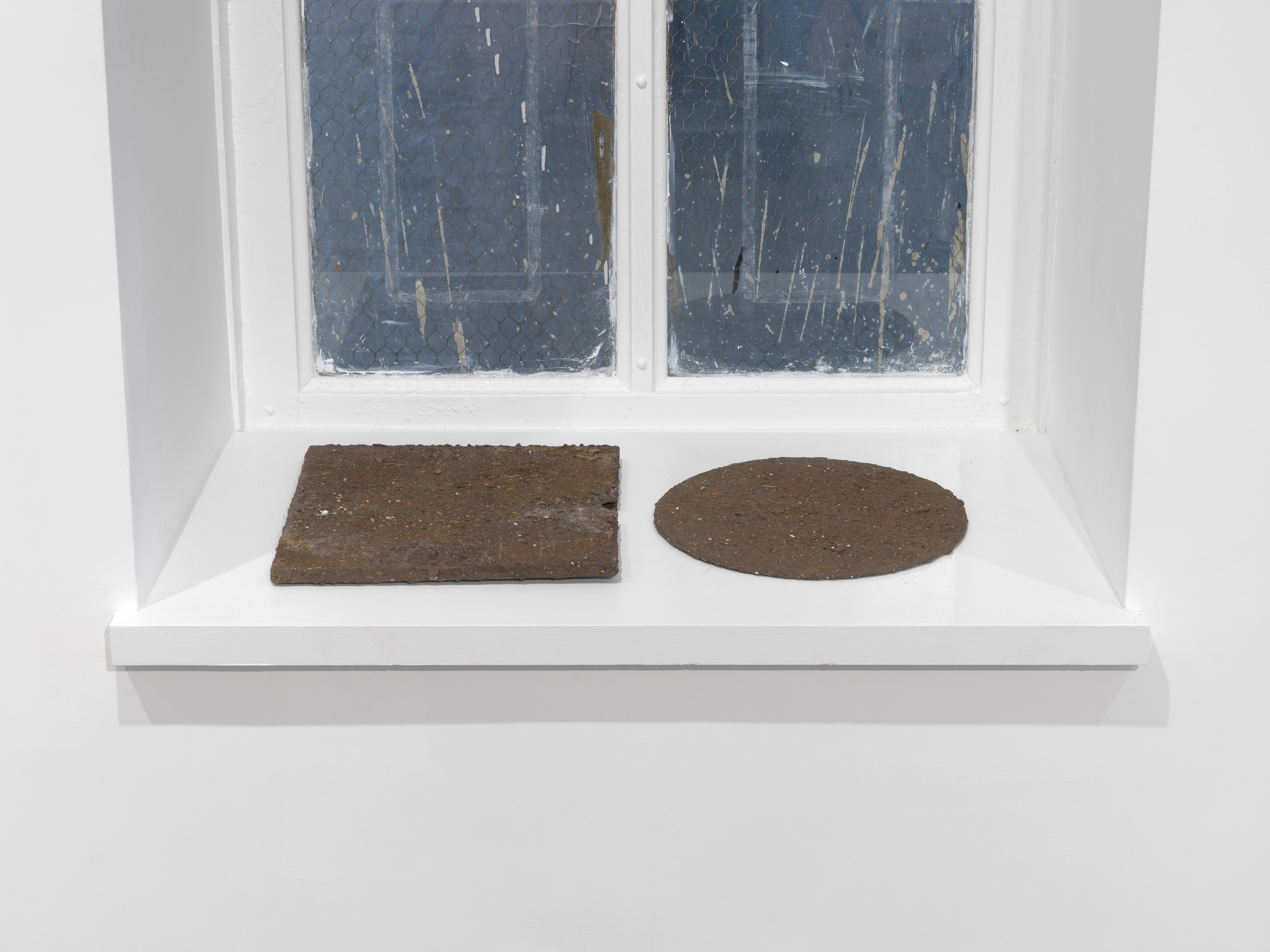
Rafael Sánchez, Earth Record with Sleeve, 2019. Glue and dirt on cardboard and vinyl, 12 x 24 x 3/4 in; 30.5 x 61 x 1.9 cm
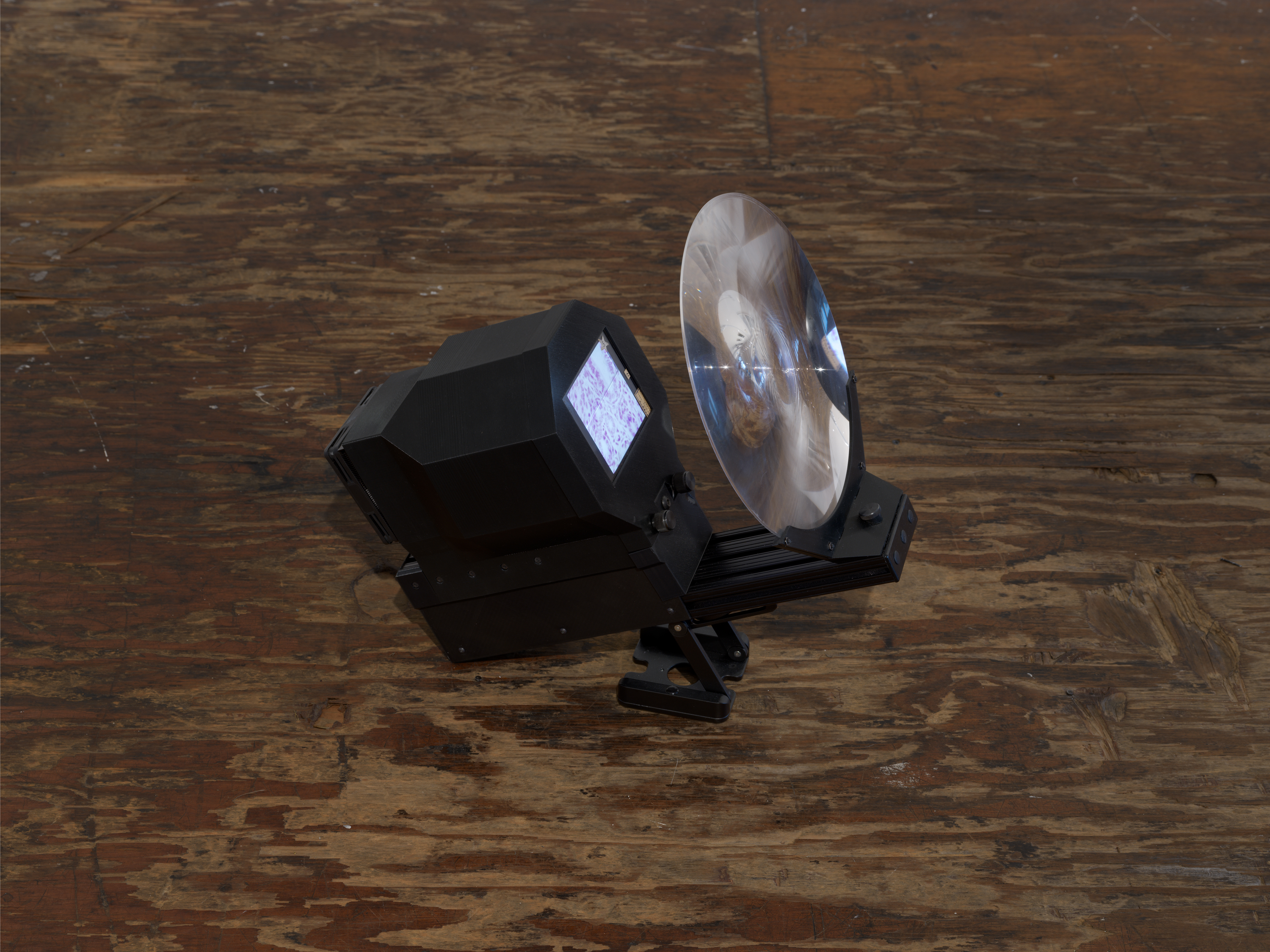
Emily Leach, bright field (bio-indefinite) #1, 2026. Magic lantern slide (H&E histology of cancerous tissues from mouse), high-powered LED, lenses, 3D-printed chassis, extruded aluminum, 18 x 11 x 9 in
45.72 x 27.94 x 22.86 cm
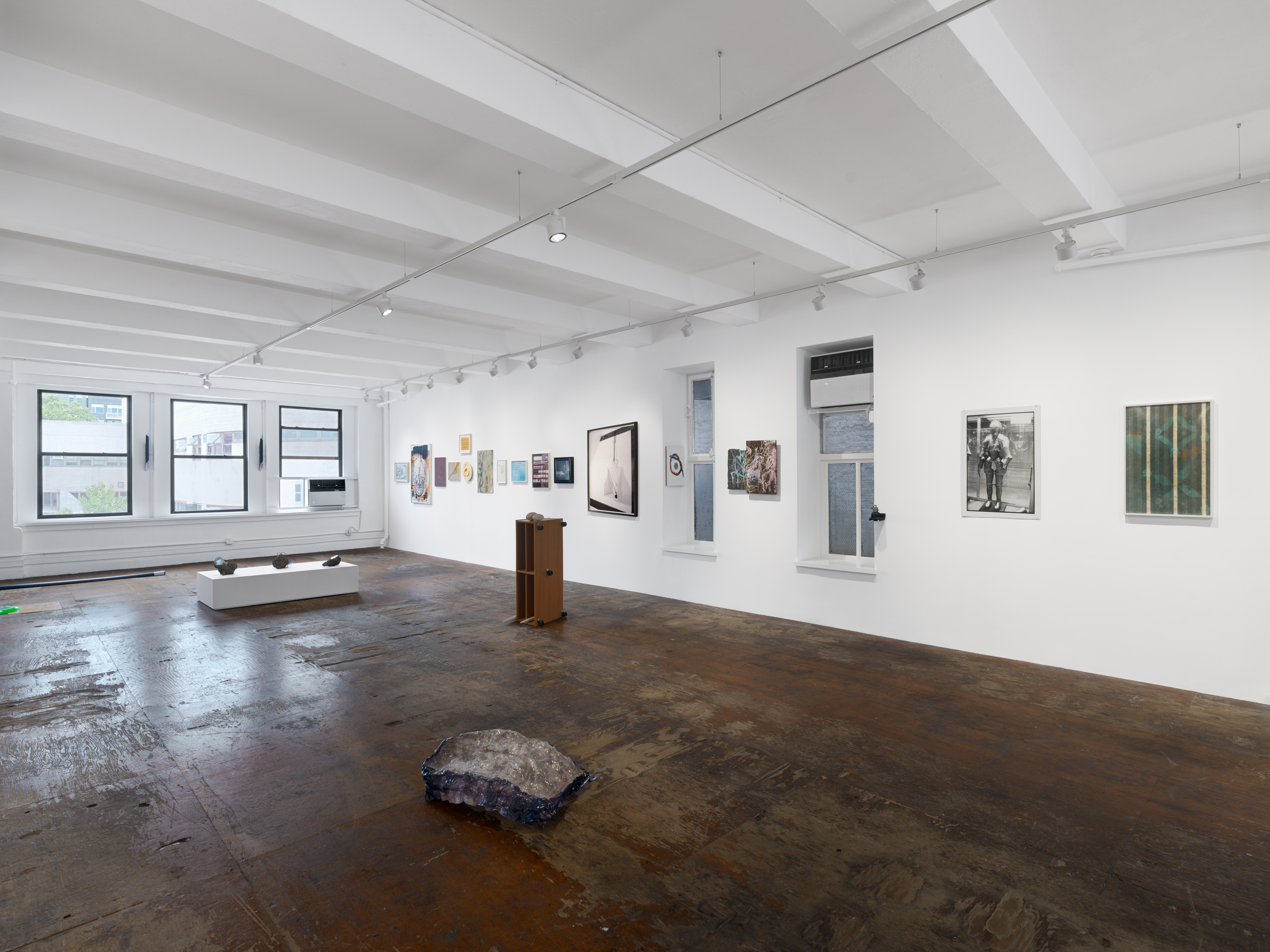
Installation view.
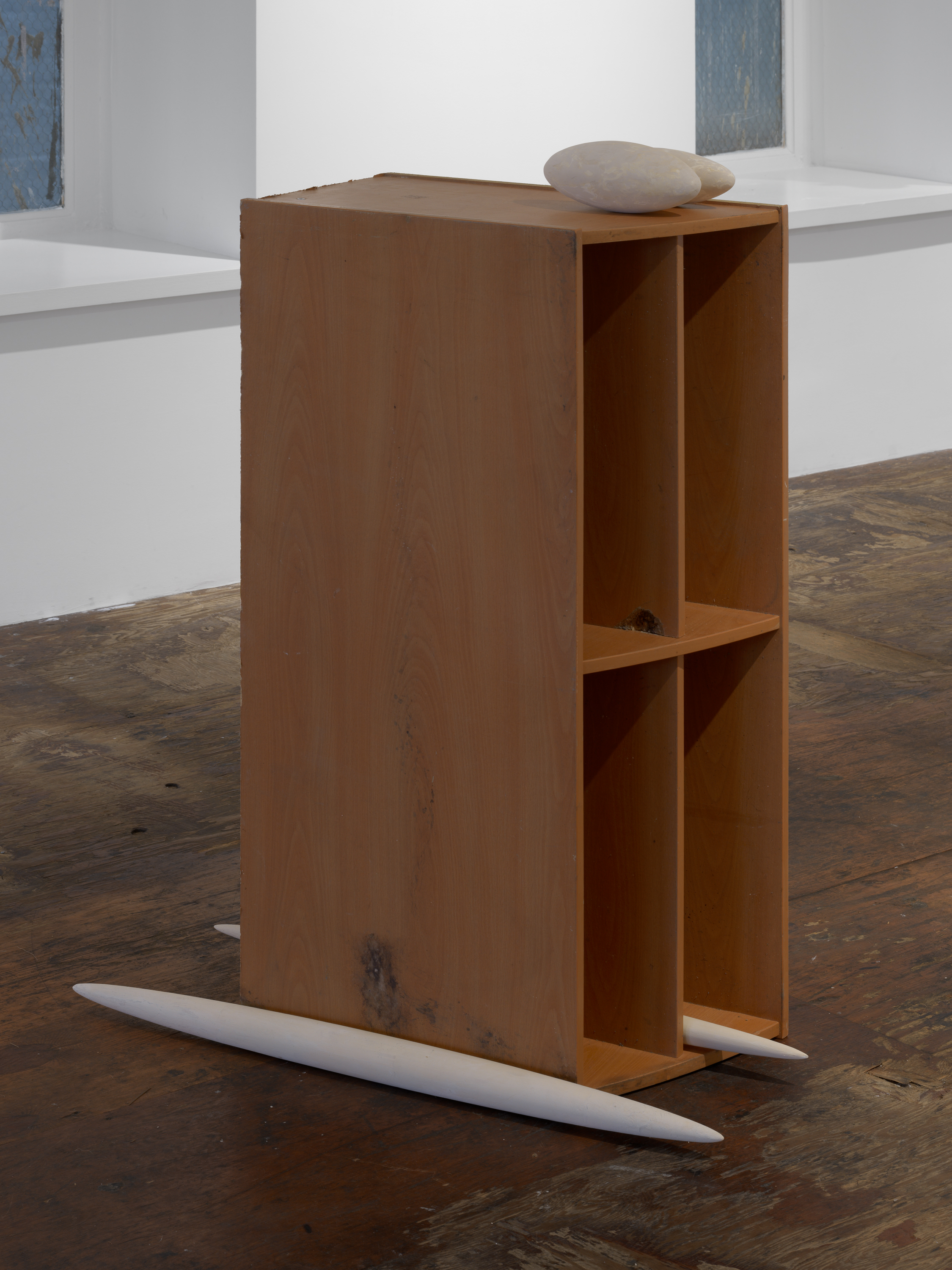
Coco Klockner, girl system 02 (unknown media console), 2025–2026. Media console, wood filler, polylactic acid, jeweler’s wax, 26 x 15 x 39 in; 66 x 38.1 x 99.1 cm
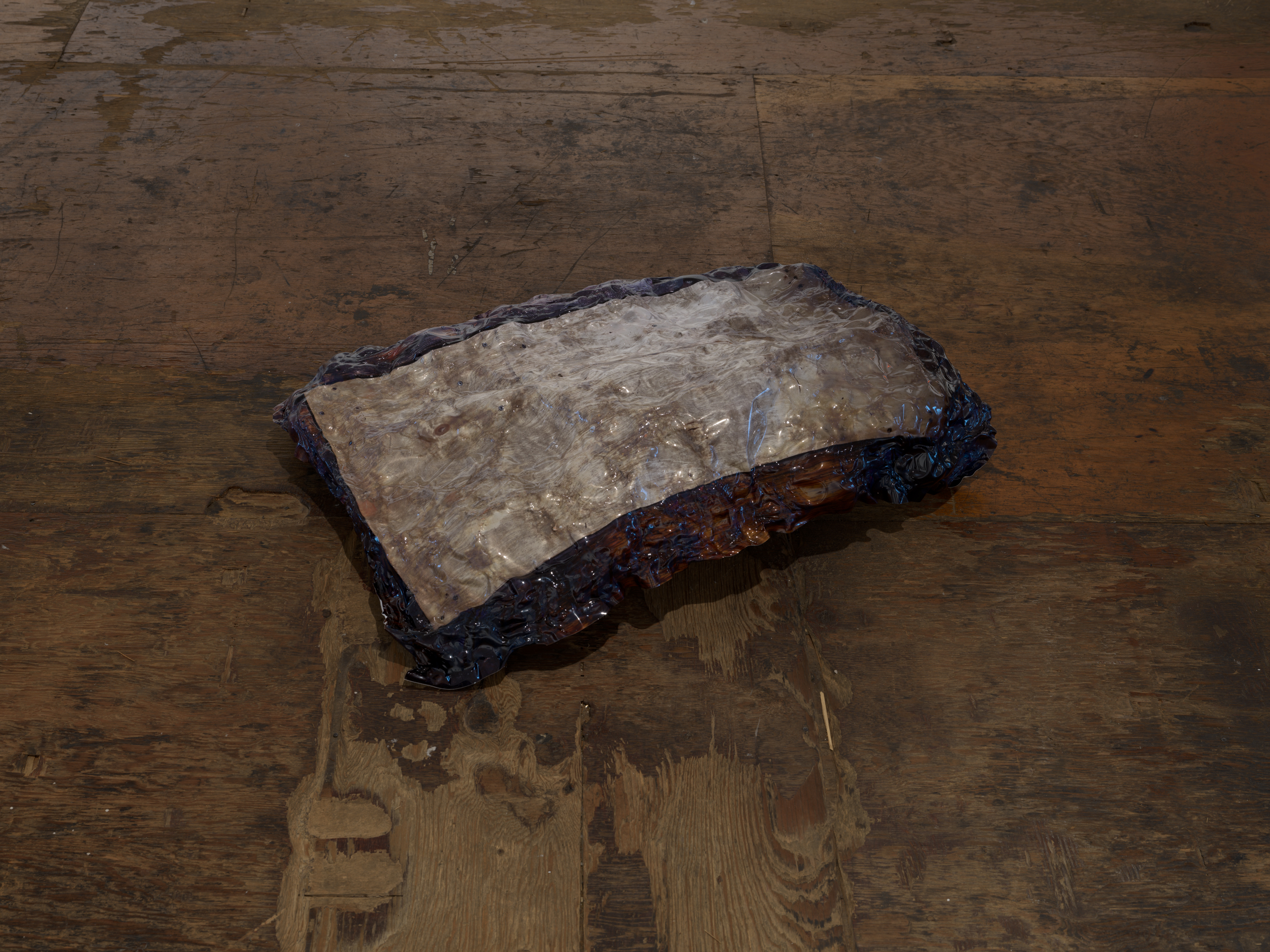
Joy Episalla, foldtogram (chromo fl 2), 2026. Light sensitive chromogenic emulsion coated object, 33 x 25 x 10 in; 83.8 x 63.5 x 25.4 cm
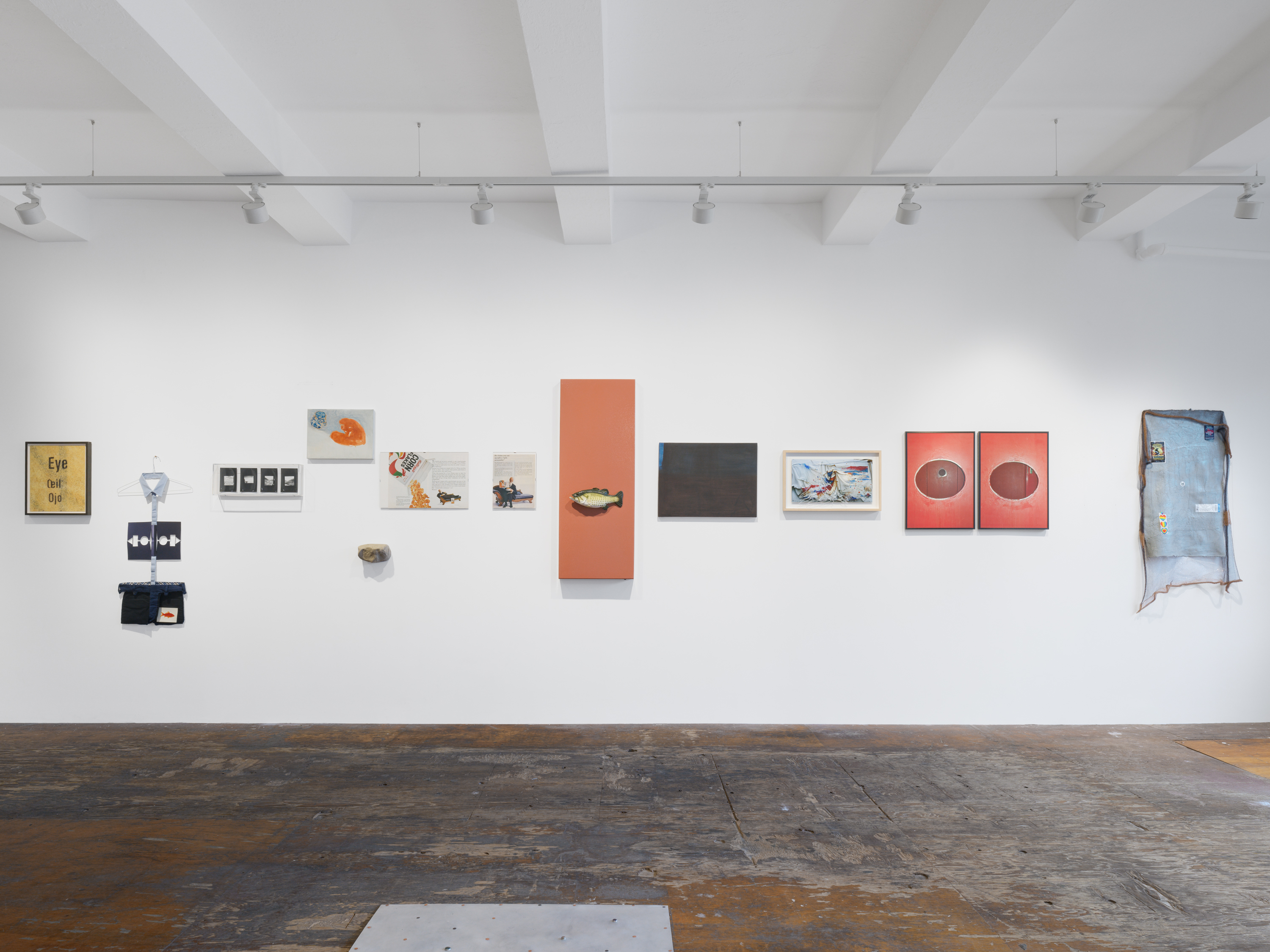
Installation view.
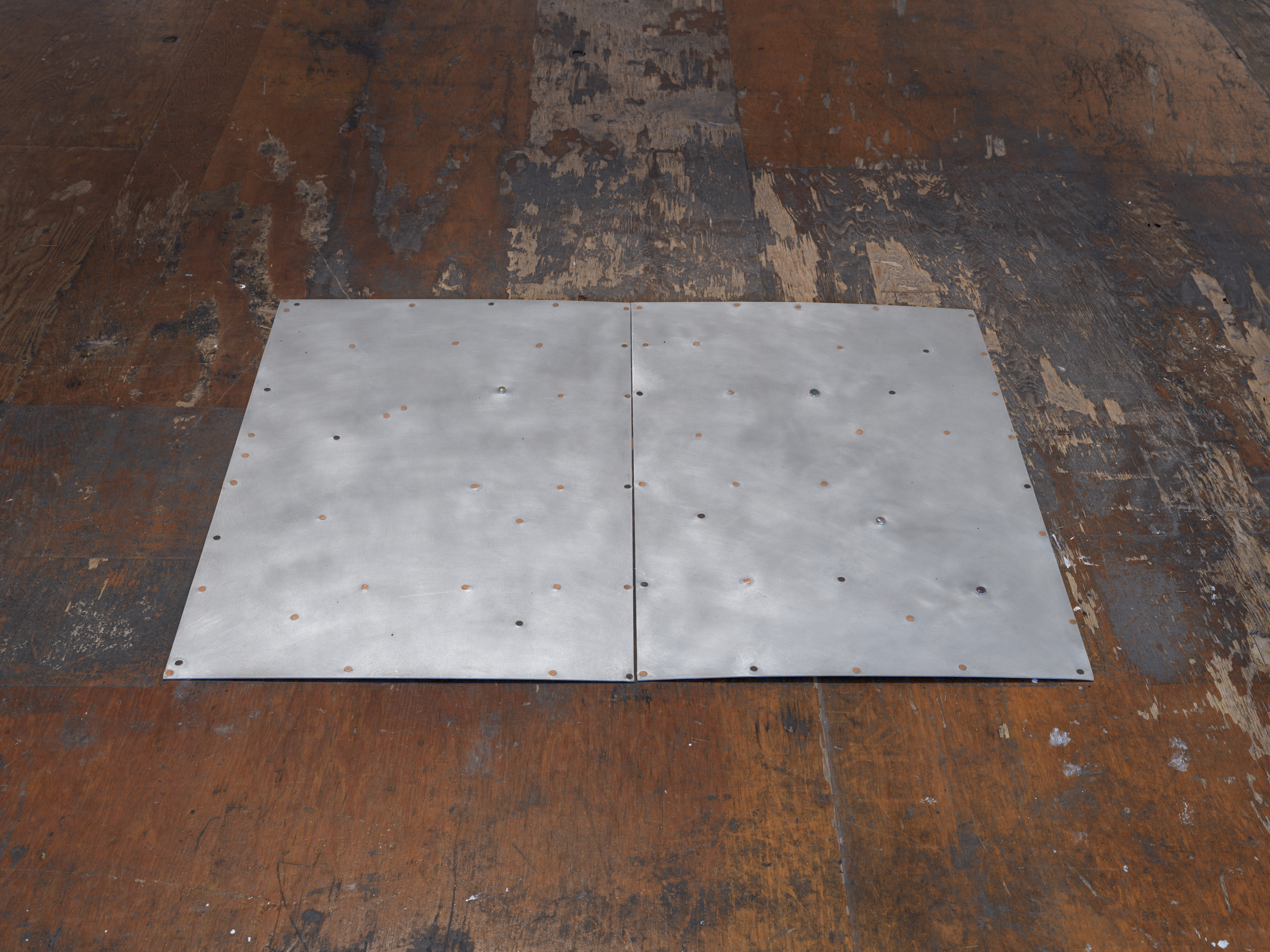
Gwenn Thomas, Untitled Constellation I , 2022. Aluminum, copper nails, paint and seed pearls, 48 x 36 ¼ in; 122 x 92 cm
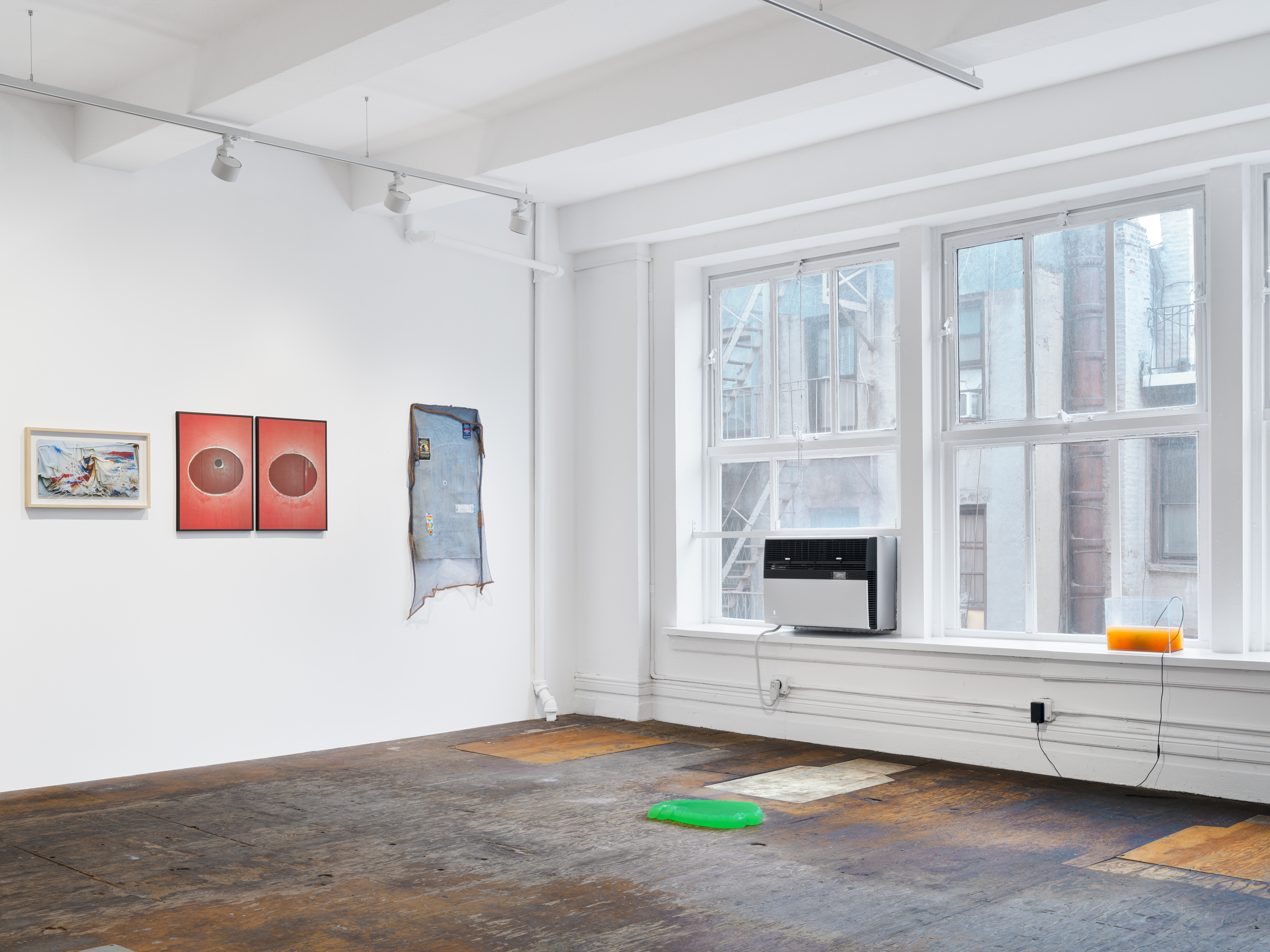
Installation view.
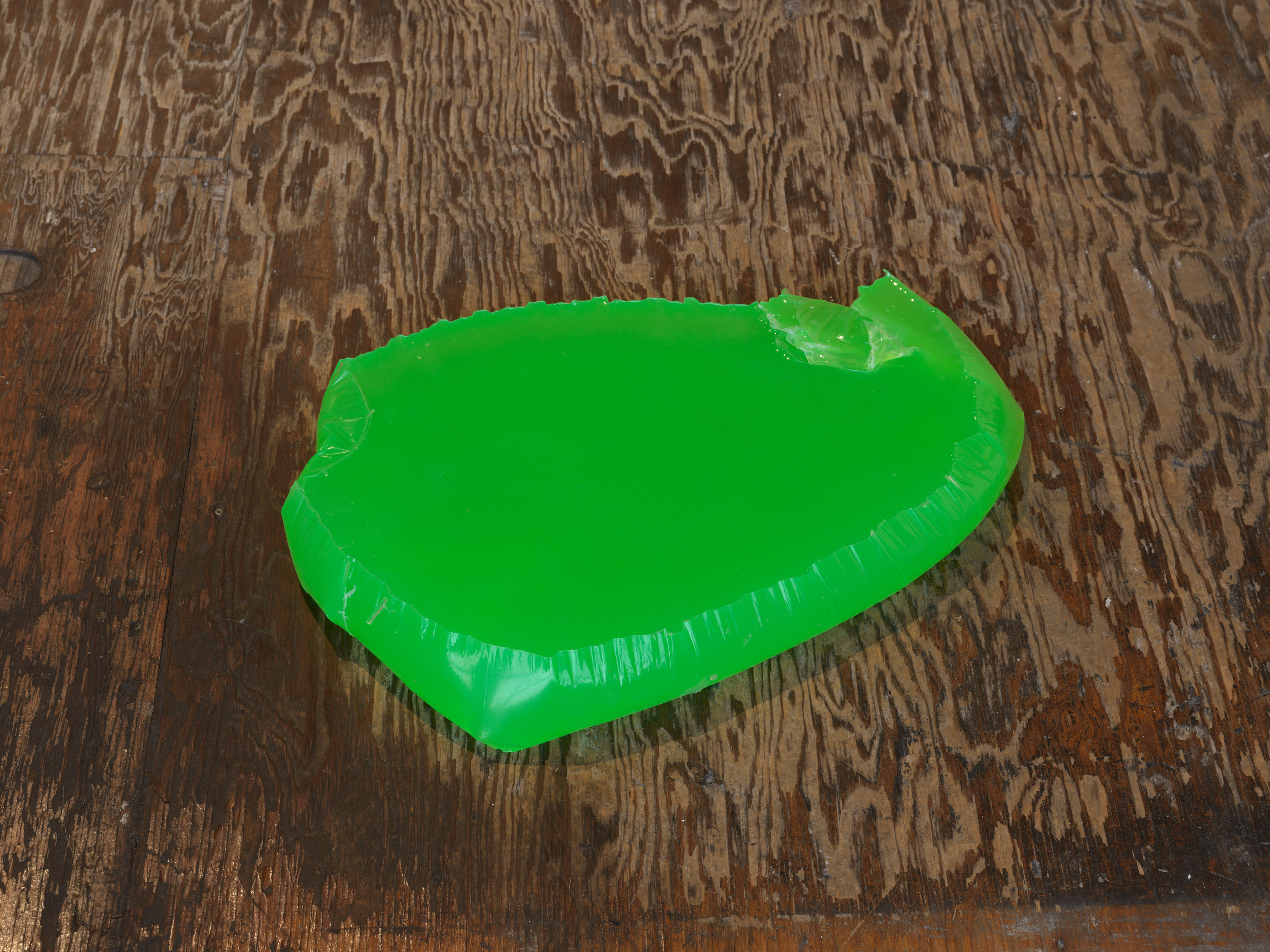
Carrie Yamaoka, Cast bag (green) #2 , 2026. Cast flexible urethane resin and mixed media, 19 x 13 x 3 in; 48.3 x 33 x 7.6 cm
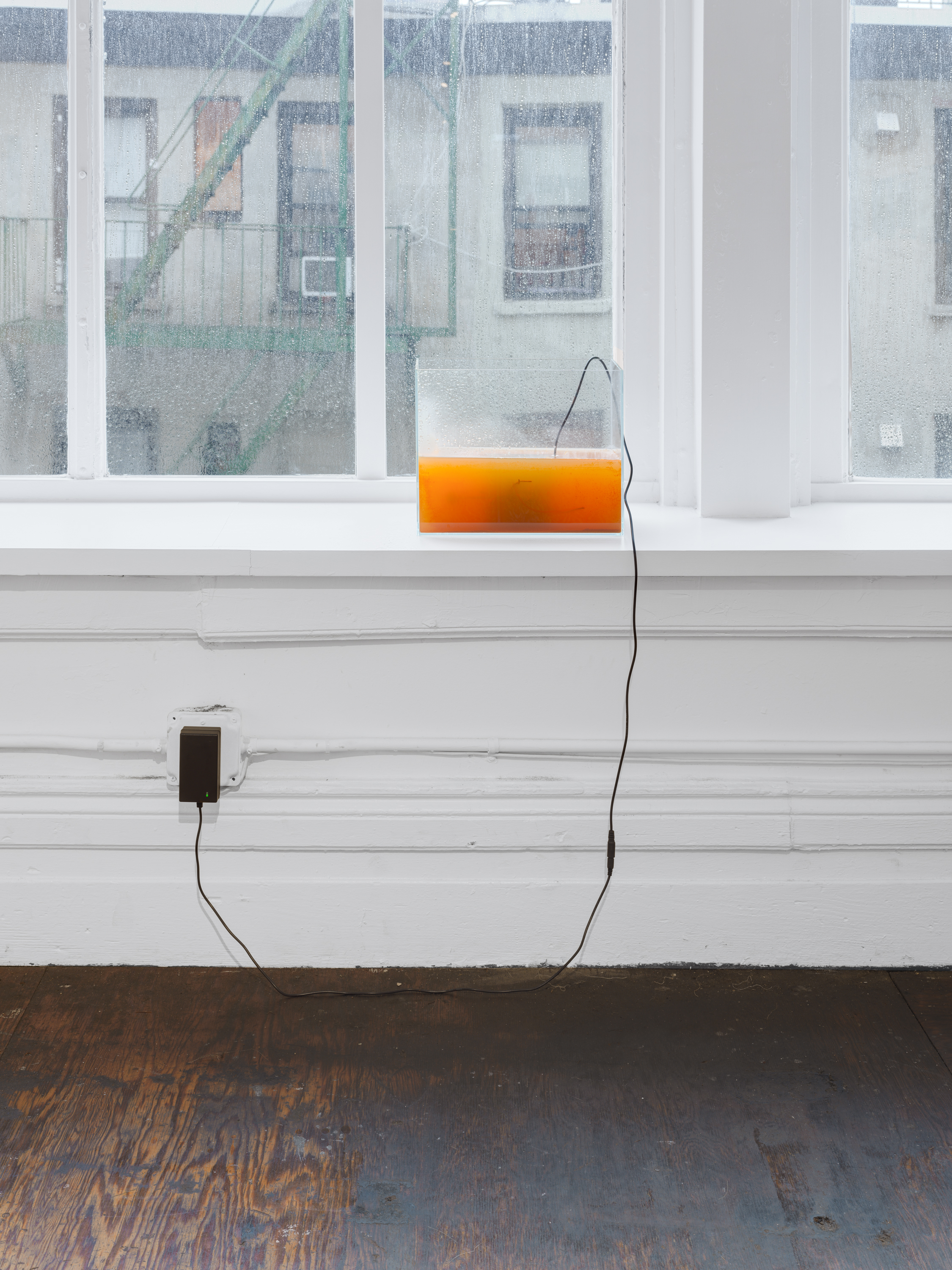
Micah Schippa-Wildfong, hope without hope, 2026. Clock mechanism from the collection of the artist’s grandfather, lacrimal solution (false tears formulated by the artist), ultrasonic atomizer, metal wire, glass vitrine, 12 x 6 x 9 in; 30.5 x 15.2 x 22.9 cm
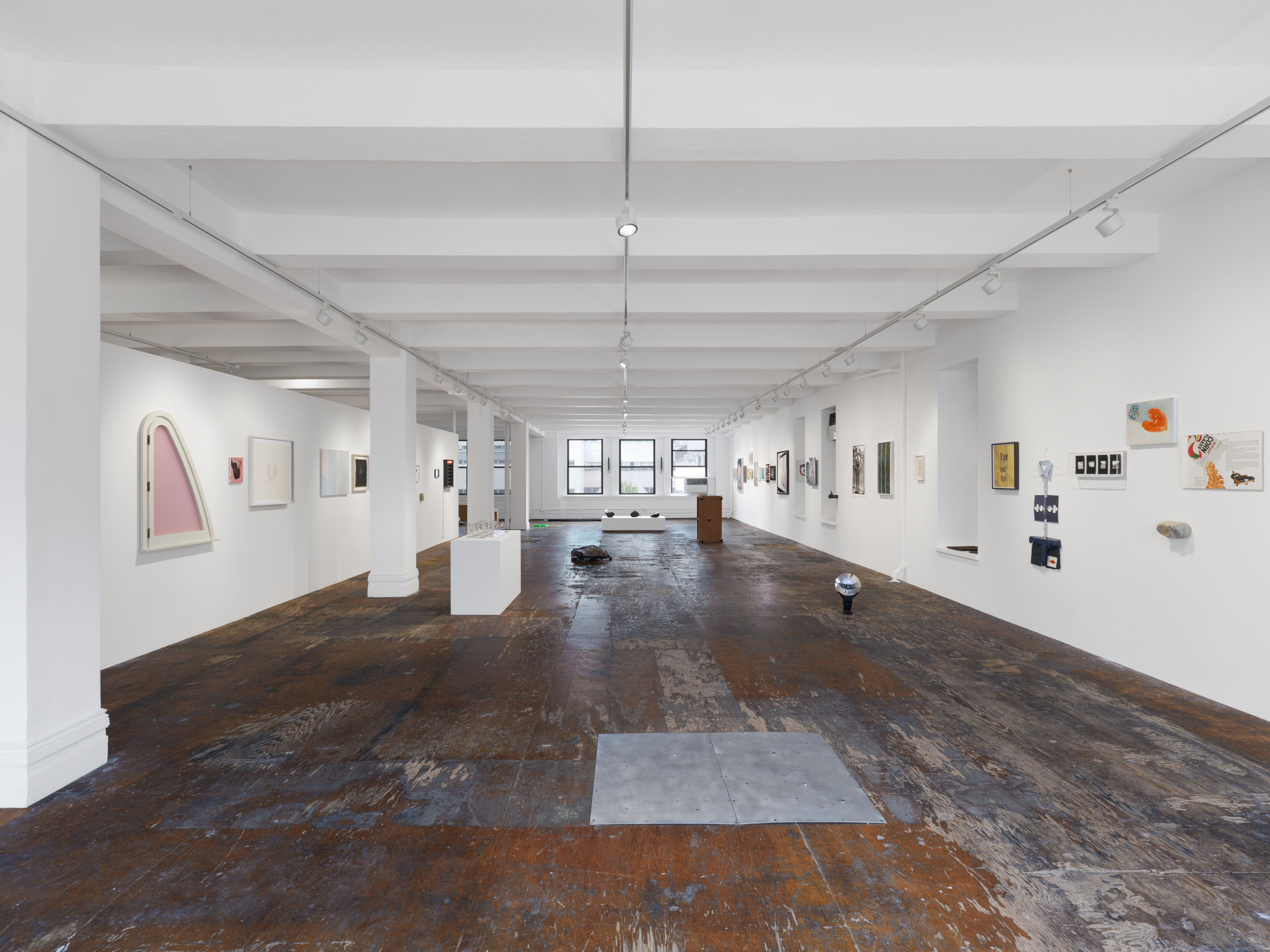
Installation view.
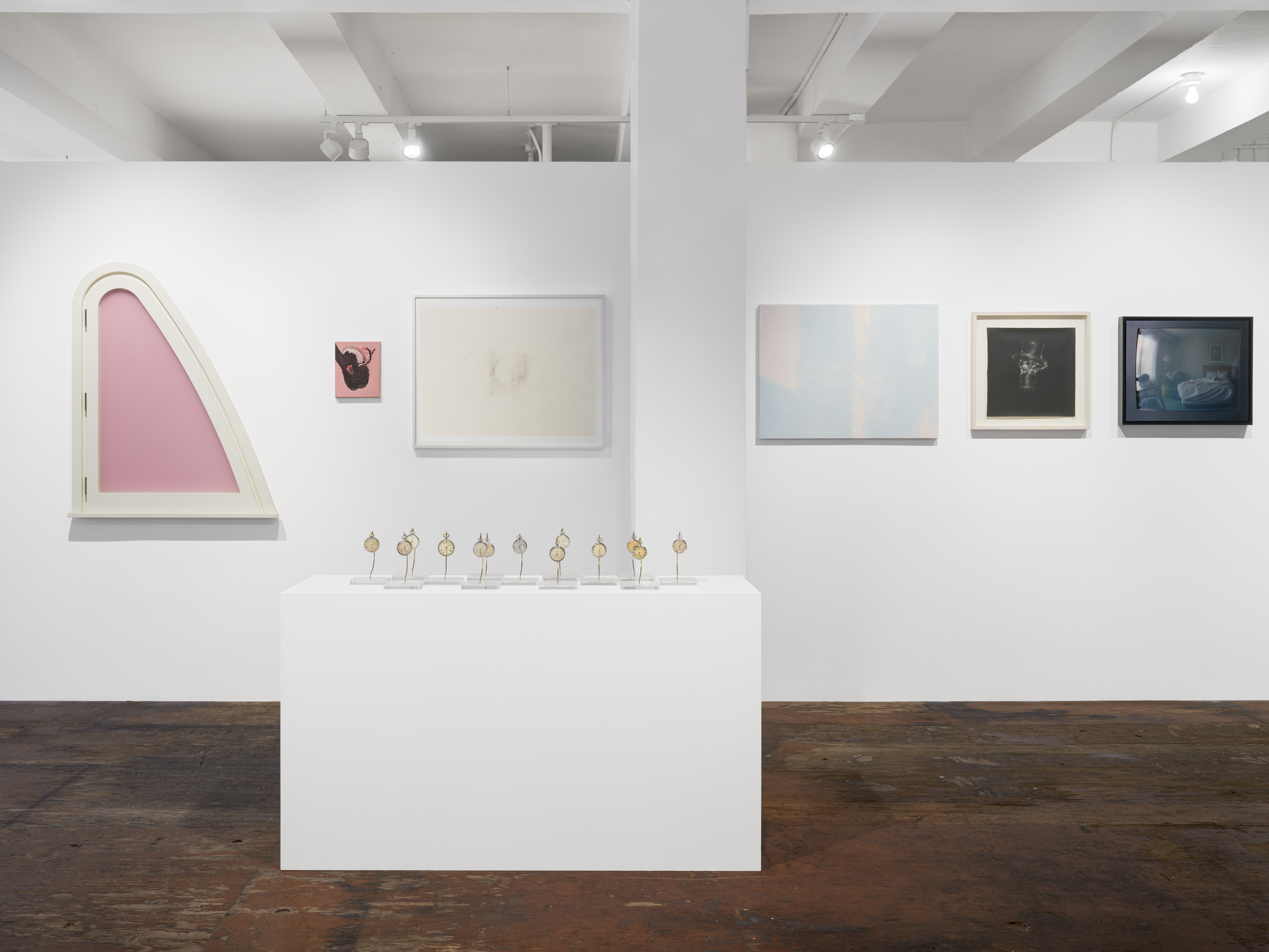
Installation view.
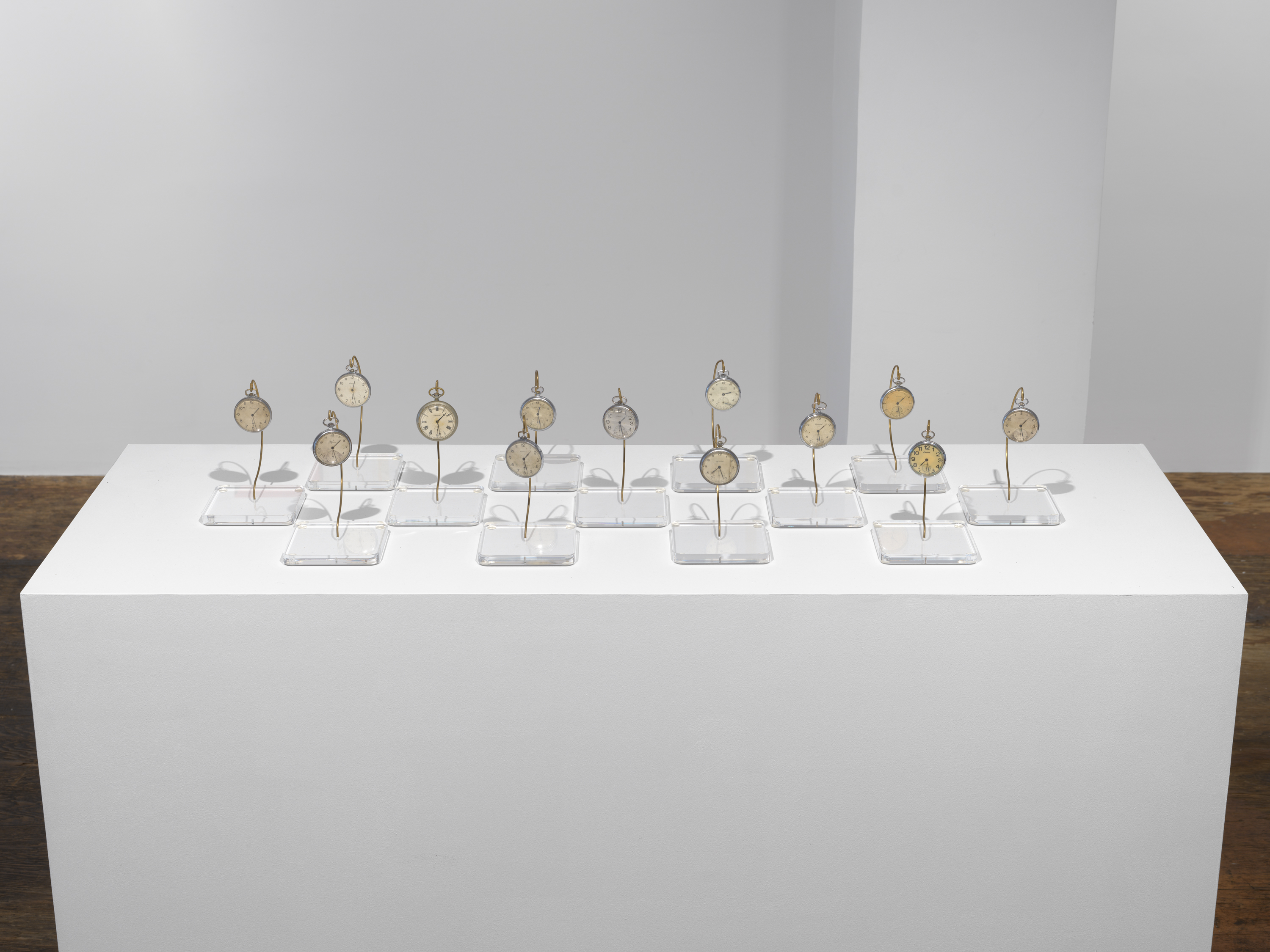
TJ Shin, Pocket watches (United States, Canada, France, Germany, Italy, Spain, Belgium, Hungary, Netherlands, Slovenia, Turkey, Portugal, United Kingdom), 2024. USSR pocket watches, film, brass and acrylic display stands, dimensions variable, 6 x 4.25 x 4.25 in; 15.2 x 10.8 x 10.8 cm each
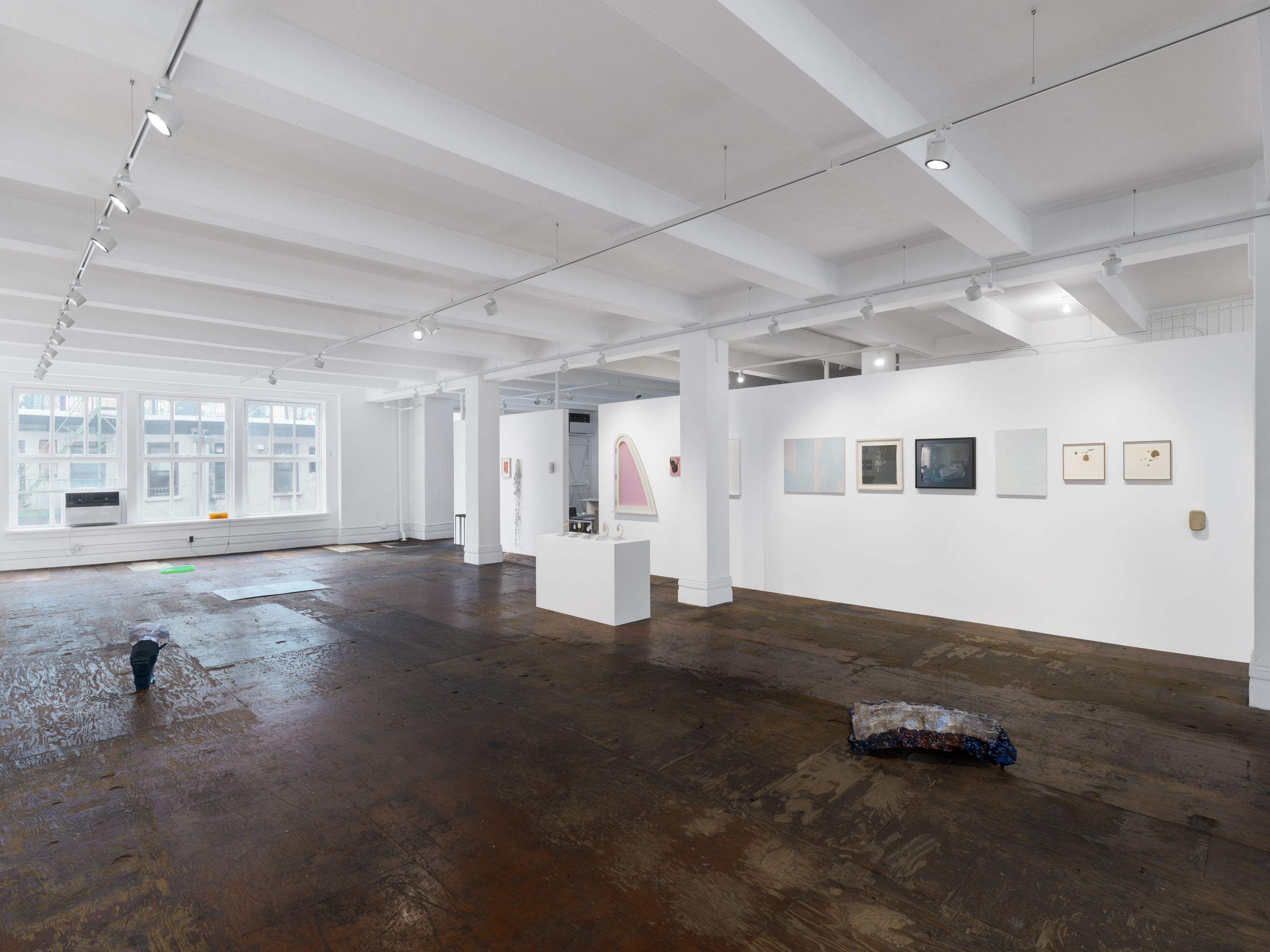
Installation view.
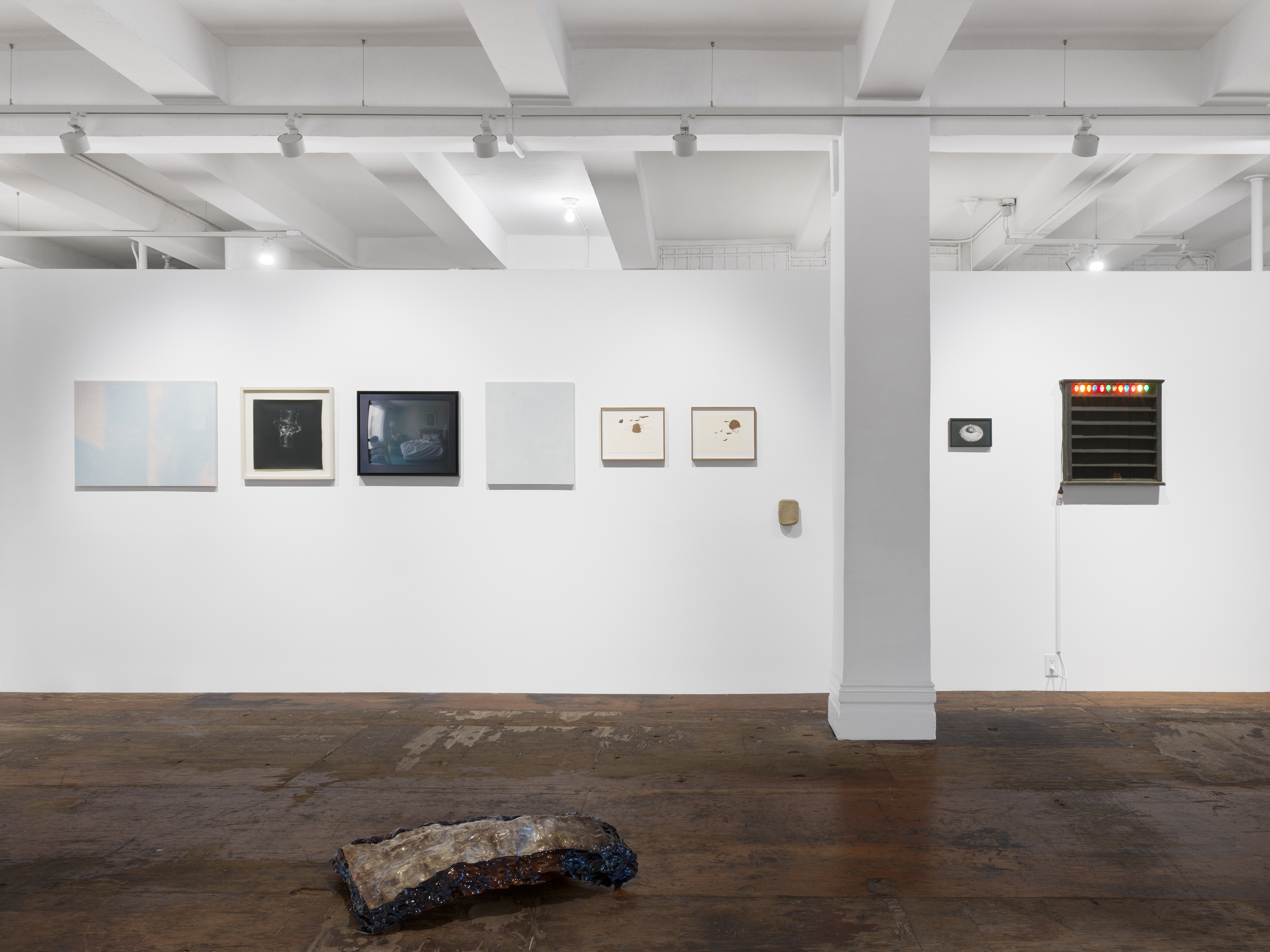
Installation view.
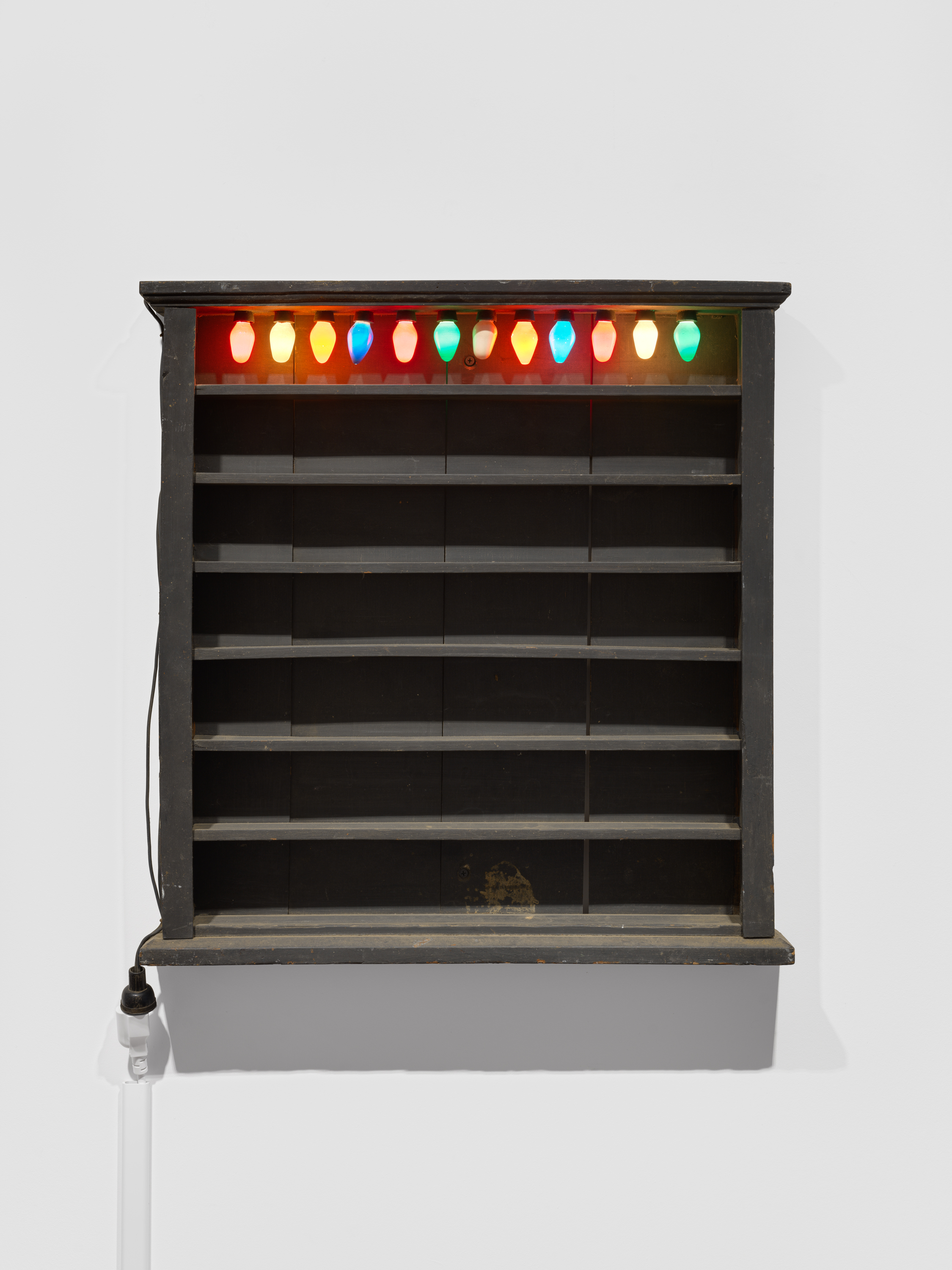
David Knudsvig, Christmas Lights, 1988. Mixed media, 24 x 22 ¾ x 3 ½ in; 61 x 57.8 x 8.9 cm
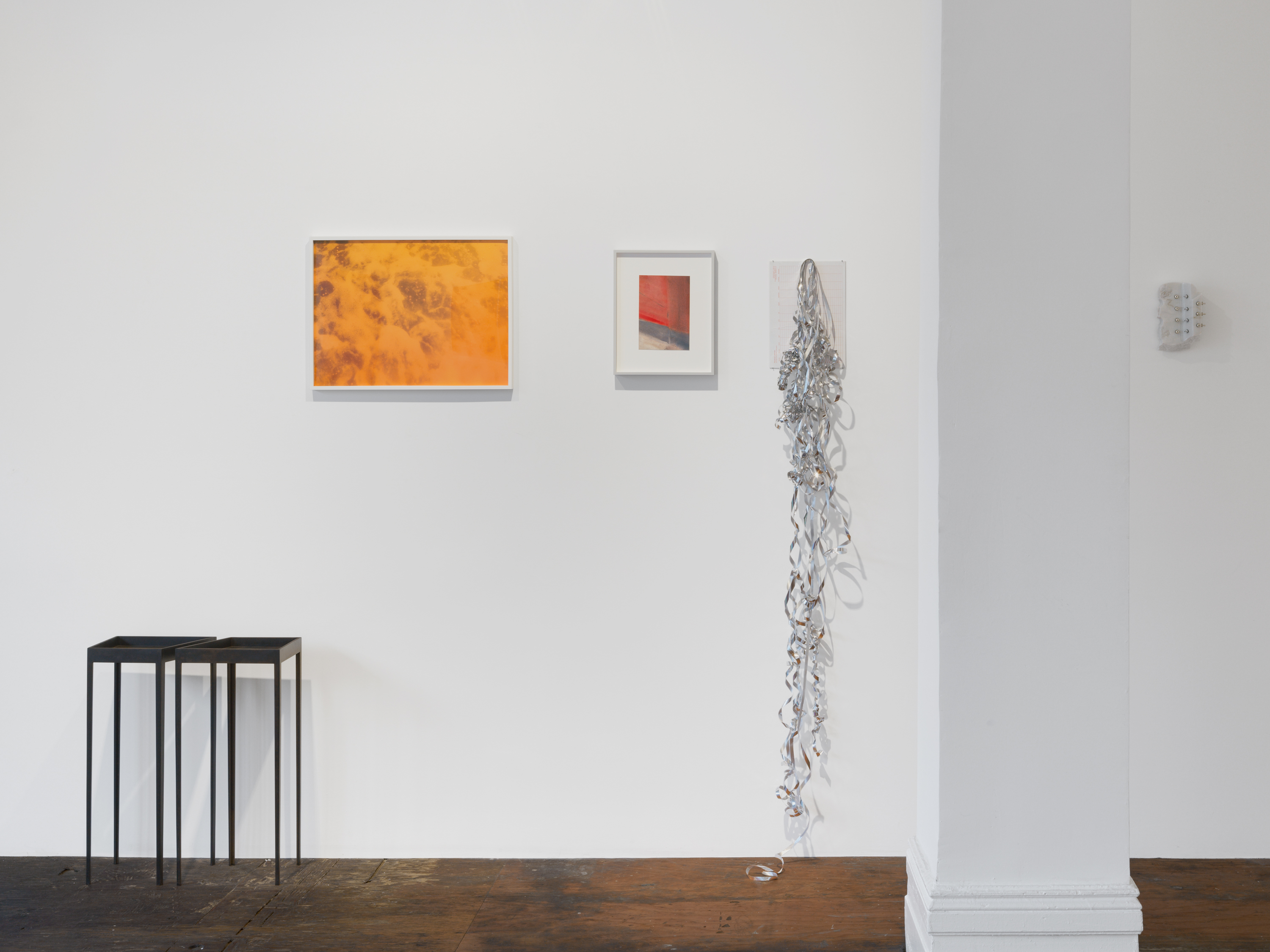
Installation view.