Kiang Malingue is pleased to present at its Hong Kong space Seeking Traces, an exhibition of recent paintings by Zheng Zhou.
Zheng Zhou’s 2024 exhibition Spanish Grilled Fish at Kiang Malingue’s Hong Kong space continued the artist’s fascination with multifaceted, uncanny characters: his figures appear blurred, often rendered as simplified silhouettes, while layers of colour, decidedly saturated or subtly muted, weave these ethereal characters into profoundly alluring, vibrant environments. The current exhibition showcases the artist’s radical shift towards abstraction in recent years: rectangular colour blocks emerge irregularly as a recurring motif across multiple works, charting elementary chromatic networks through vibrant or deep hues like titanium white, scarlet, violet, and cobalt blue. In this new series, the mystifying narratives found in Zheng Zhou’s previous works give way to unrestrained rhythms: sweeping colour blocks cover the canvas like billowing brocade, producing a visual experience that is intricately layered and variegated.
The diptych Spring in the south (2025) is exemplary of Zheng Zhou’s recent shift toward abstraction: The large-scale canvas is fragmented into multiple loose clusters by minute, vibrant colour blocks, dispelling any coherent narrative formed by human movement, natural landscapes, or light and shadow. Instead, the organic play of stacked colour blocks builds a delicate and enthralling labyrinth. The seemingly flat space is guided by multiple threads of purple and green, revealing an immense constellation of compositional potentials. The triptych Seeking traces among the deep blossoms (2025) further employs colour as space: colours become each other’s frames or screens; parallel strokes of wild brushwork stabilise precarious gravitational relationships; a few hastily sketched figures once again hint at incorporating milieus of uncanny depth—amidst the interplay of intrepid and tenuous strokes, Zheng Zhou’s compositions invite viewers to seek traces and lose themselves within.
Works such as Secret passage to hidden depths (2025) and A boy (2025) are reminiscent of Zheng Zhou’s iconic landscape paintings, focusing on an isolated figure that is on the verge of becoming indistinguishable. Purely abstract compositions like In water (2025) and Nostalgia 3 (2025), on the other hand, rely on delicately balanced palettes. These pieces either underscore Zheng Zhou’s enduring fascination with natural forms, or resemble some sophisticated endgame of go, transforming viewers into players whose involvement is poignantly at stake.
Zheng Zhou studied at the Zhejiang Academy of Fine Arts in Hangzhou (now the China Academy of Art) during the 1990s, where he was taught by Liang Quan. In the winter of 2025, Liang Quan authored an essay analysing the aspirations and evolution of Zheng Zhou’s artistic practice:
“From 1990 to 1994, Zheng Zhou and I crossed paths in the Printmaking Department of Zhejiang Academy of Fine Arts. I was a teacher; he was a student. In retrospect, it seems that that group of students back then knew exactly what they wanted and pursued it with relentless determination. As their teacher, however, I was numb and lacking in empathy, simply following the Ministry of Culture’s prescribed curriculum guidelines into the classroom day after day… Reflecting on the past, I feel a sense of regret—it’s unfortunate that we can’t experience life twice.
A few days ago, Zheng Zhou told me that I had given high marks to two students in the class back then, and he was one of them. Nearly thirty years have passed, and I no longer recall the specifics of that classroom assignment. Yet his grip on the assignments, technical proficiency, and artistic sensibility left a profound impression on me. After graduation, he resolutely abandoned academia to enter the art world. For years, he has worked tirelessly in Beijing and Hangzhou, quietly perfecting his studio in a hermetic fashion. His efforts have borne remarkable fruit. I find his recent shift toward abstract expression truly invigorating.
In his creative process, he consciously or unconsciously reveals a contemplation of the spectral logic of colour. Many artists attempt to unify the aesthetic appeal of their works based on purely personal preferences for certain colours: a single shade of grey or saturated hues, designing a sophisticated colour system tailored to their individual tastes. In Zheng Zhou’s work, the vibrancy of colour strives to restore the most fundamental data of spectral wavelengths. Colour is simply colour; colour is free, and the artist is free. At no point need they yield to some made-up visual system or bow to conventionalised aesthetic tastes.
This is precisely why I was delighted when I saw Zheng Zhou’s recent abstract works. I believe he will only grow stronger in his art, for he lives in a state of simplicity, self-assurance, and modest means.”
Seeking traces Zheng Zhou
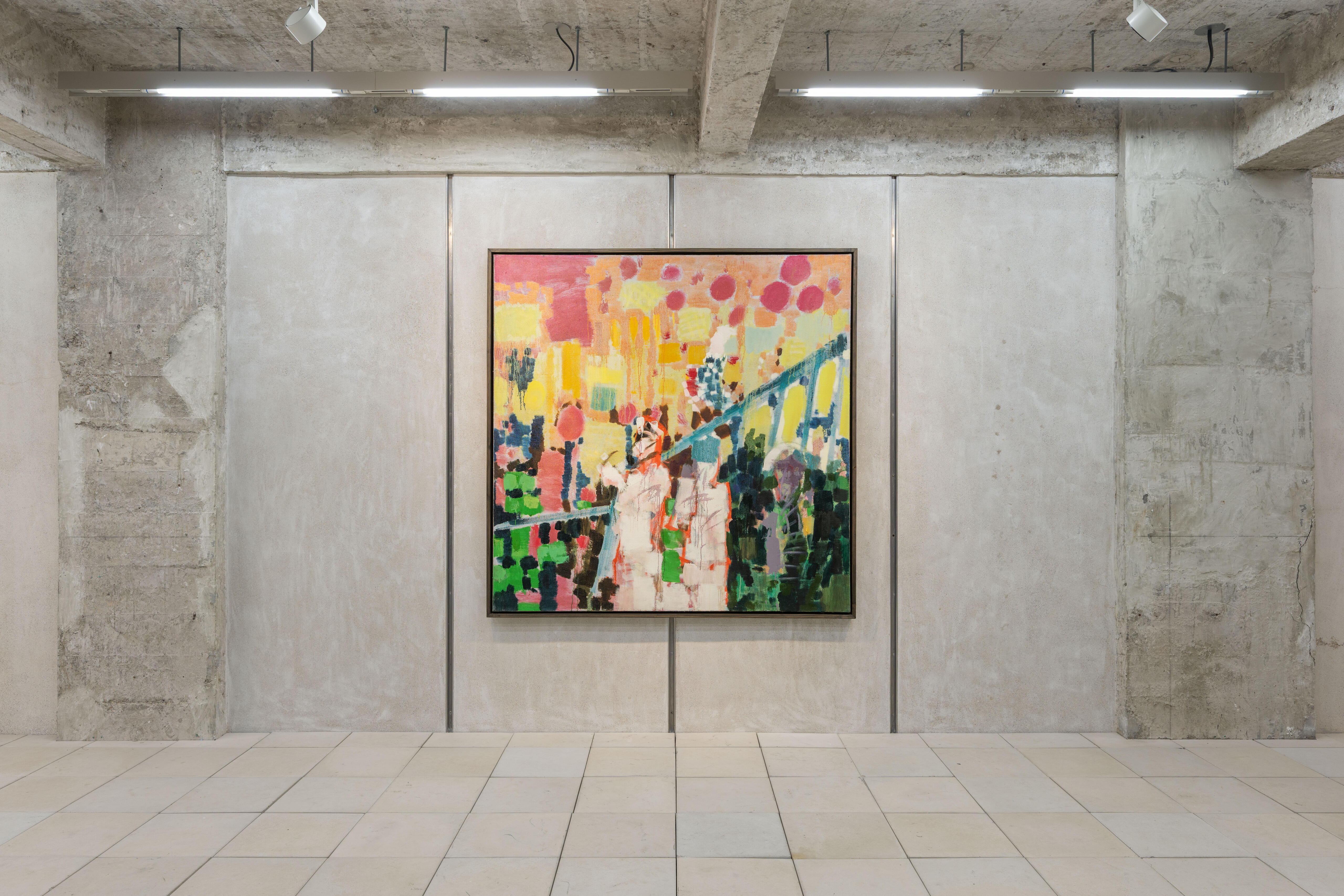
Urban overpass, 2023. Acrylic and oil on canvas, unframed: 176 x 176 cm; 69 ¼ x 69 ¼ in, framed: 182 x 182 cm; 71 ⅝ x 71 ⅝ in
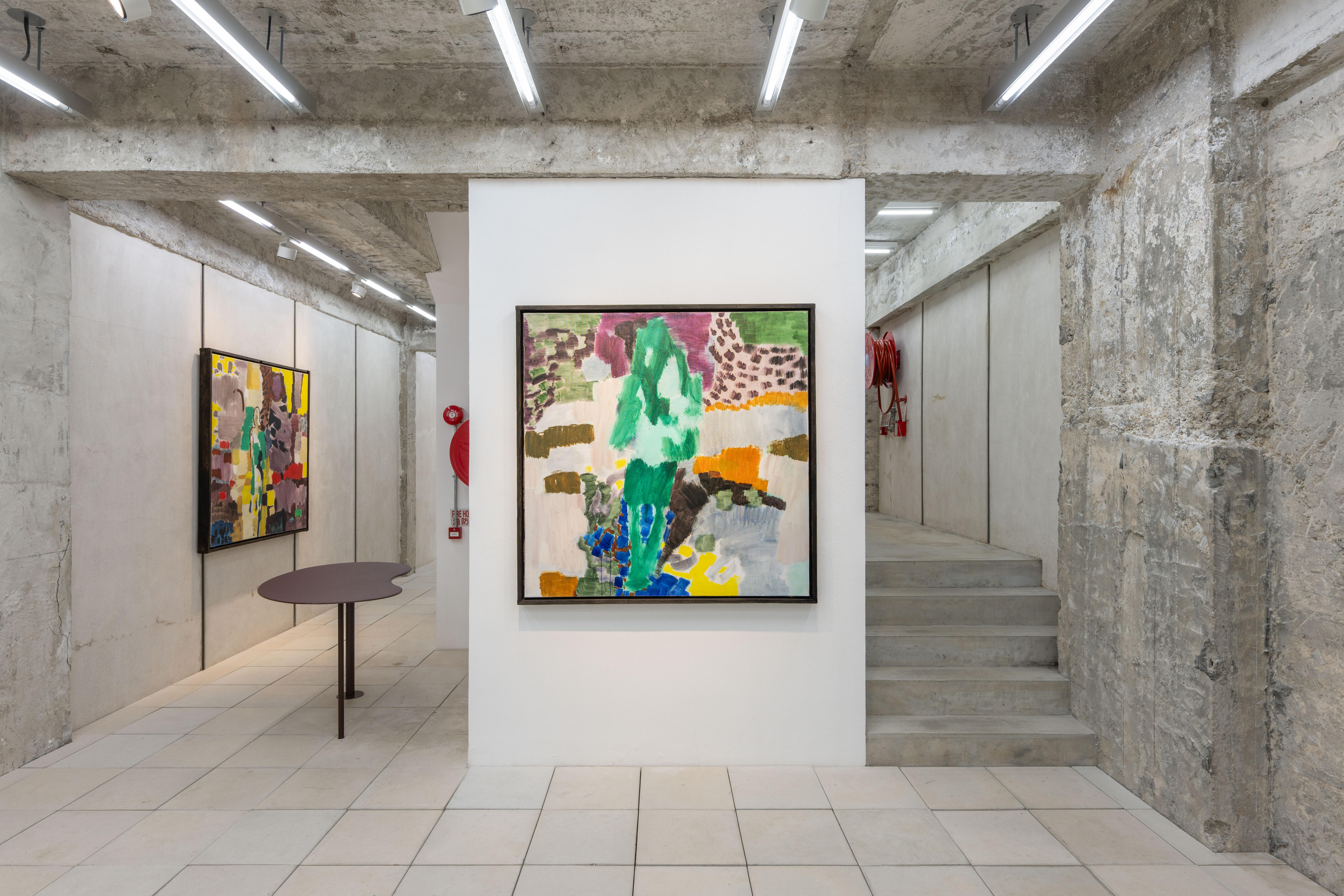
In the rain, 2023. Acrylic and oil on canvas, unframed: 132 x 132 cm; 52 x 52 in, framed: 139 x 139 cm; 54 ¾ x 54 ¾ in
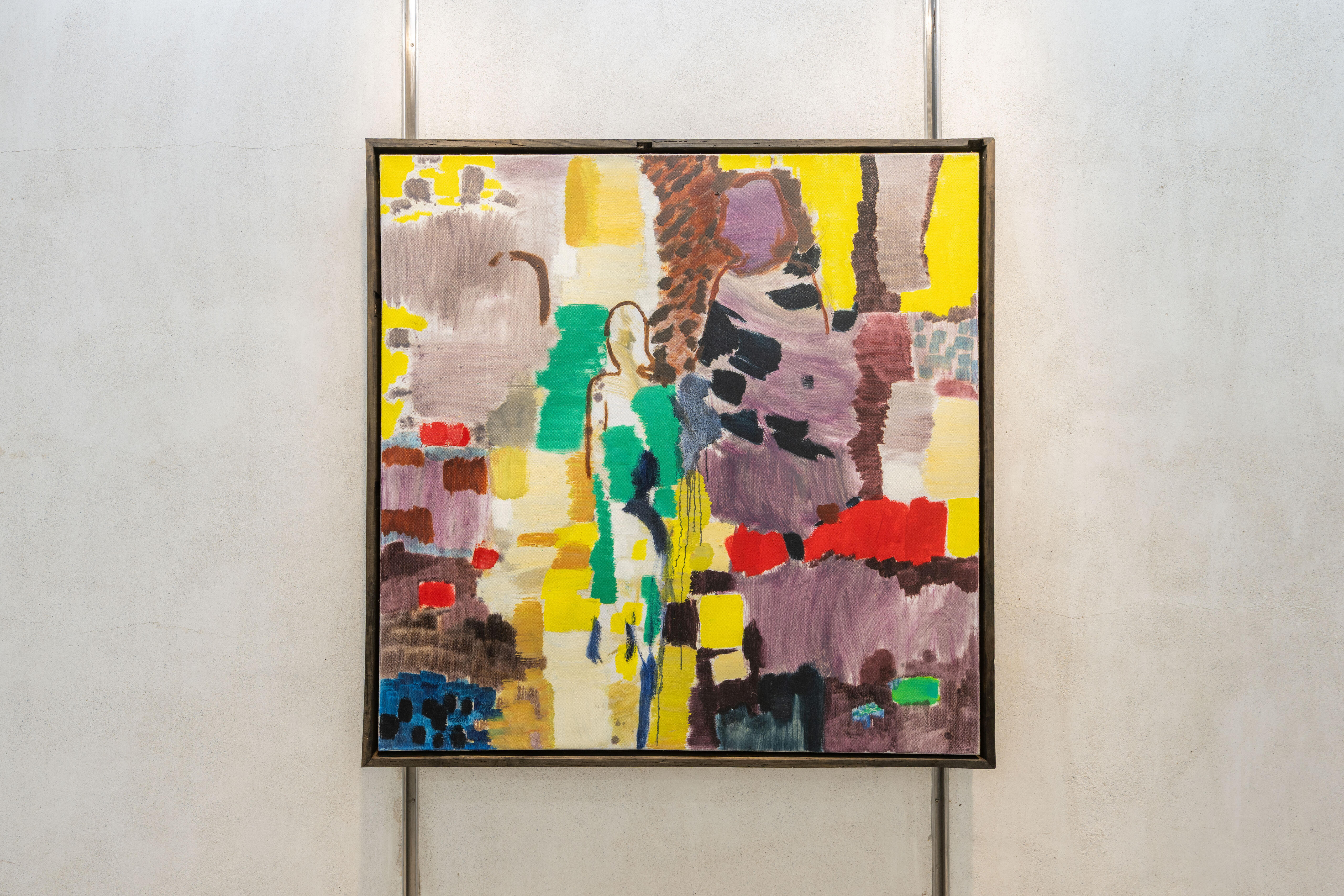
Golden beach, 2023. Acrylic and oil on canvas, unframed: 132 x 132 cm; 52 x 52 in, framed: 139 x 139 cm; 54 ¾ x 54 ¾ in
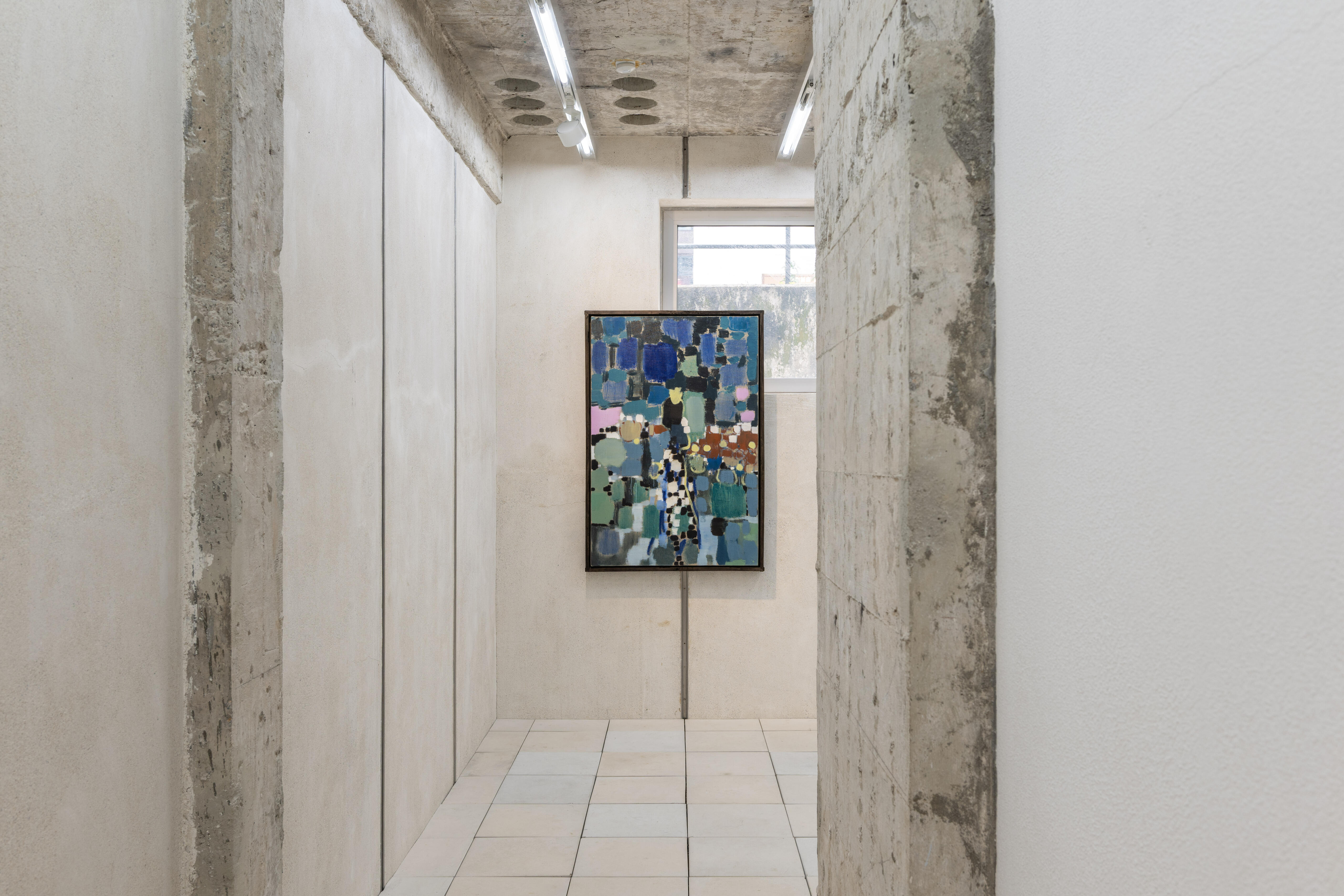
Chilly, 2025. Oil on canvas, unframed: 133 x 89 cm; 52 ⅜ x 35 in, framed: 140 x 96 cm; 55 ⅛ x 37 ¾ in
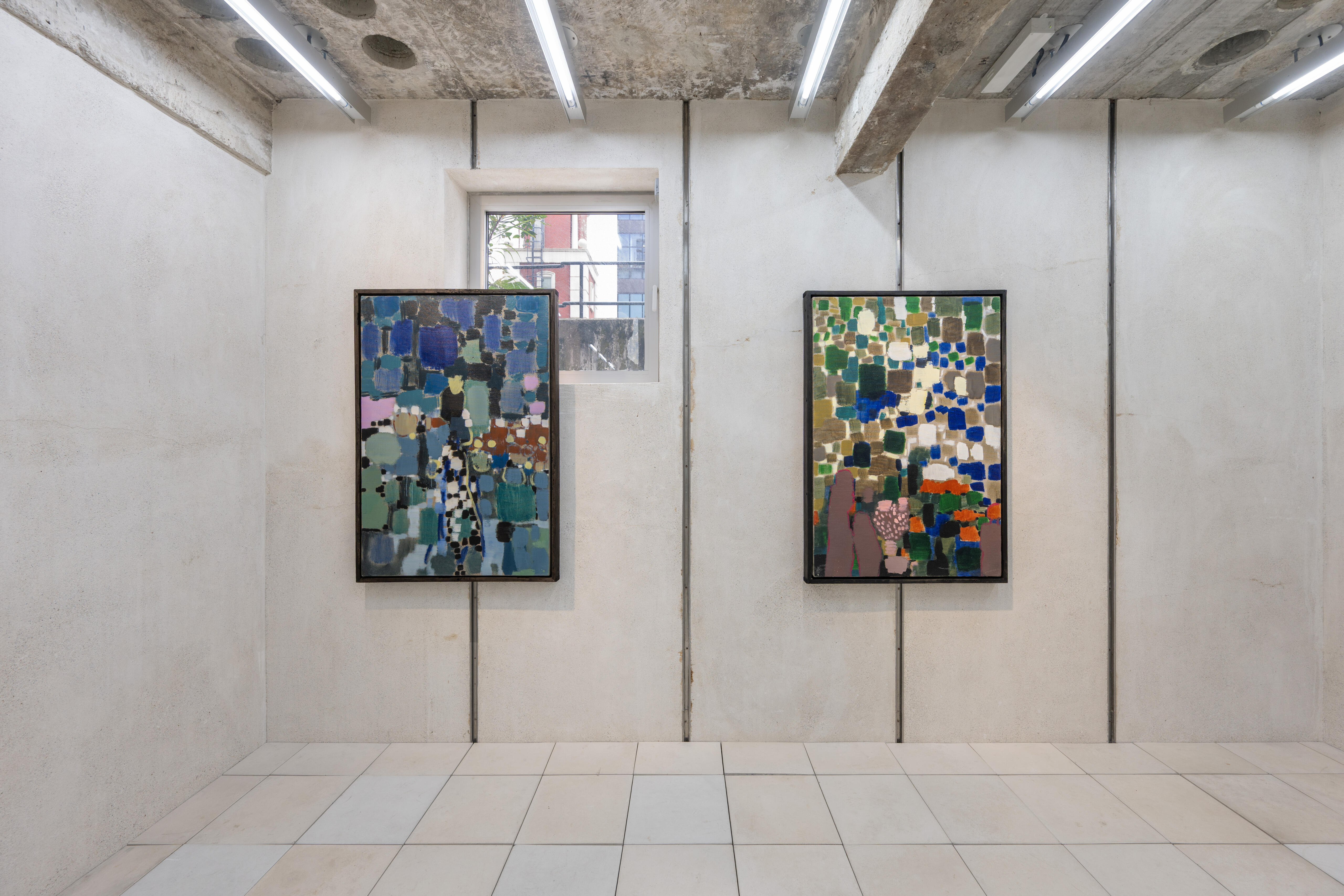
Installation view.
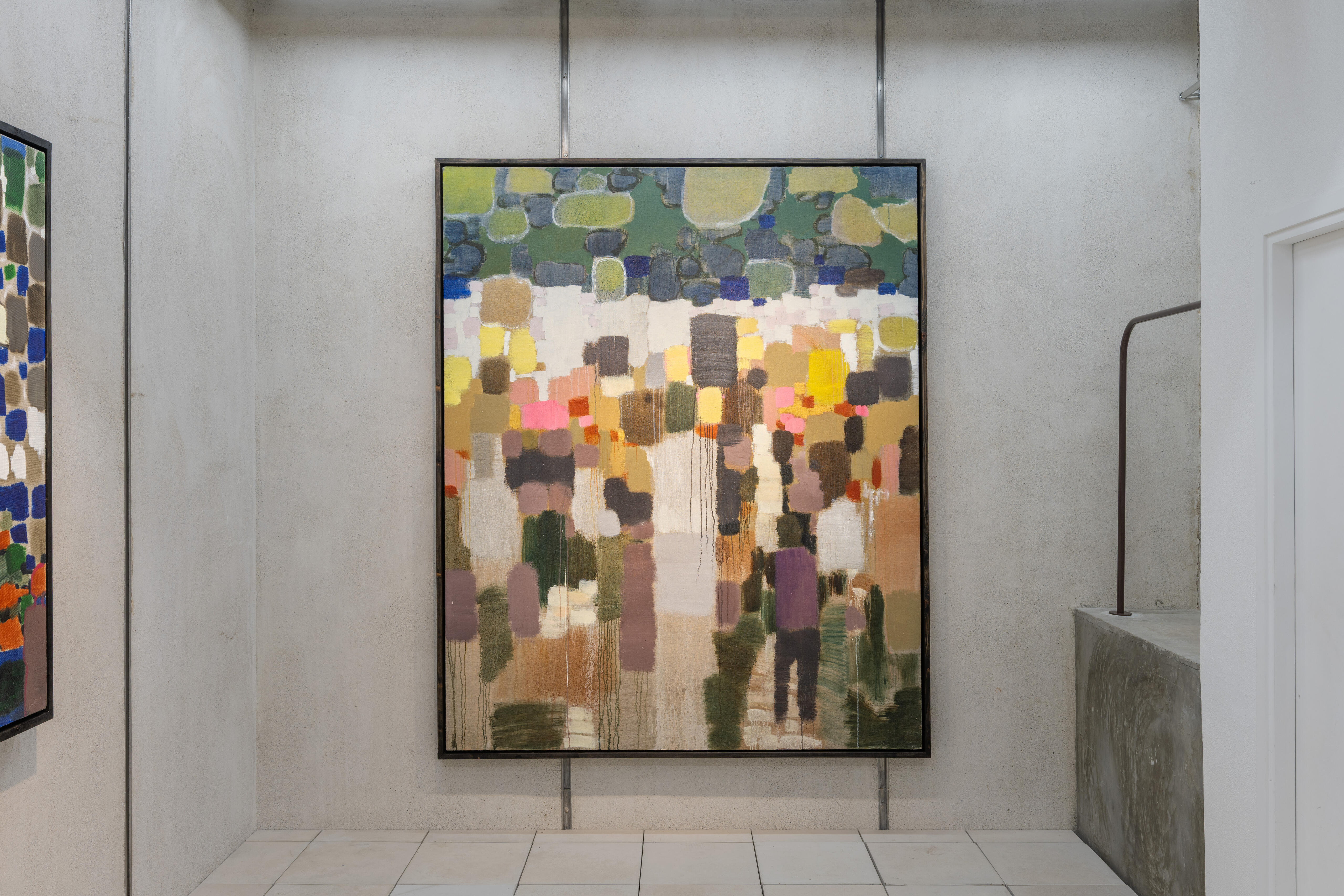
A strange place, 2025. Oil on canvas, unframed: 216 x 176 cm; 85 x 69 ¼ in, framed: 222 x 182 cm; 87 ⅜ x 71 ⅝ in
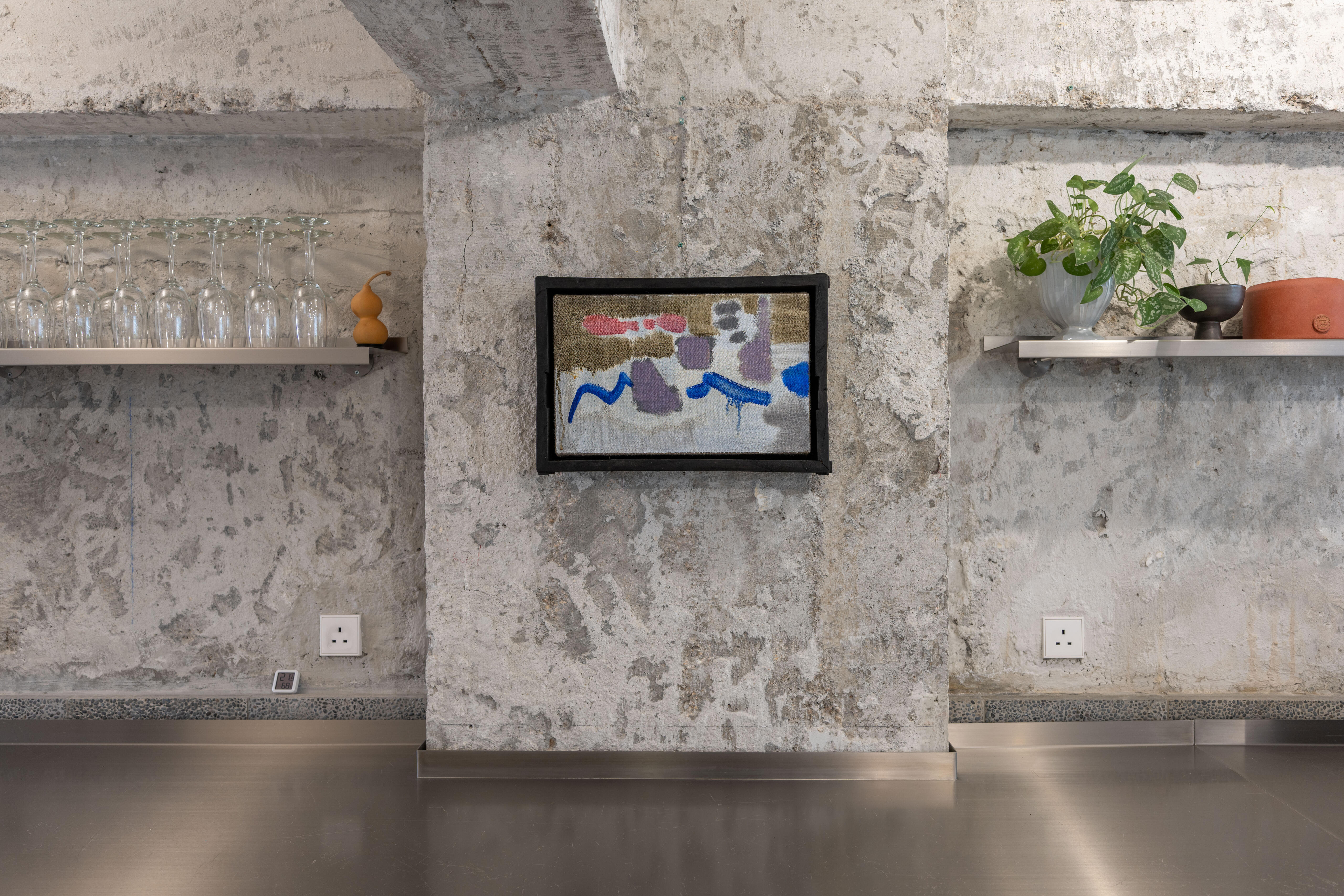
A patch of crimson clouds, 2023. Acrylic and oil on canvas, unframed: 26 x 42 cm; 10 ¼ x 16 ½ in, framed: 33 x 49 cm; 13 x 19 ¼ in
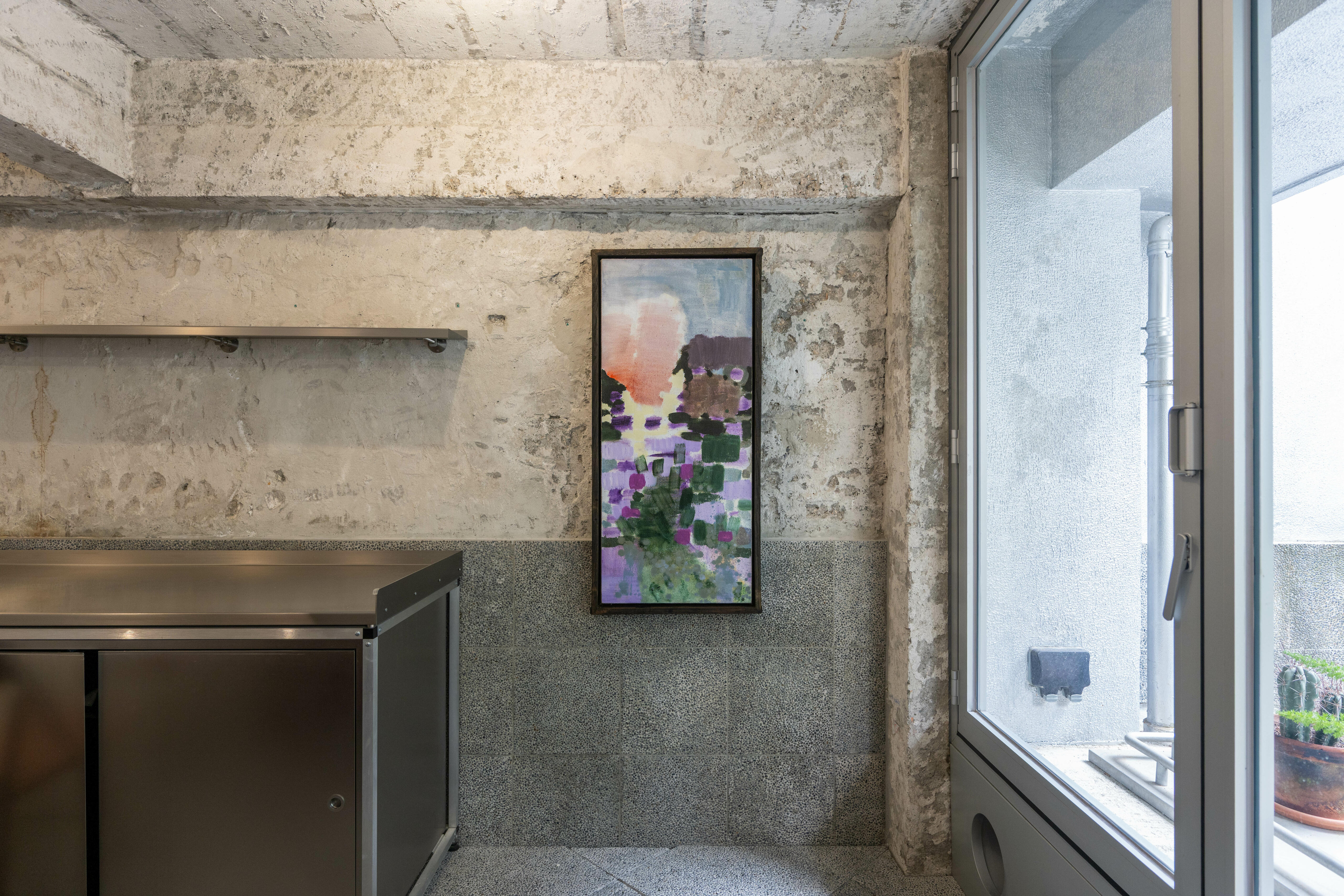
Fireworks from afar, 2023. Acrylic and oil on canvas, unframed: 110 x 48 cm; 43 ¼ x 18 ⅞ in, framed: 117 x 55 cm; 46 x 21 ⅝ in
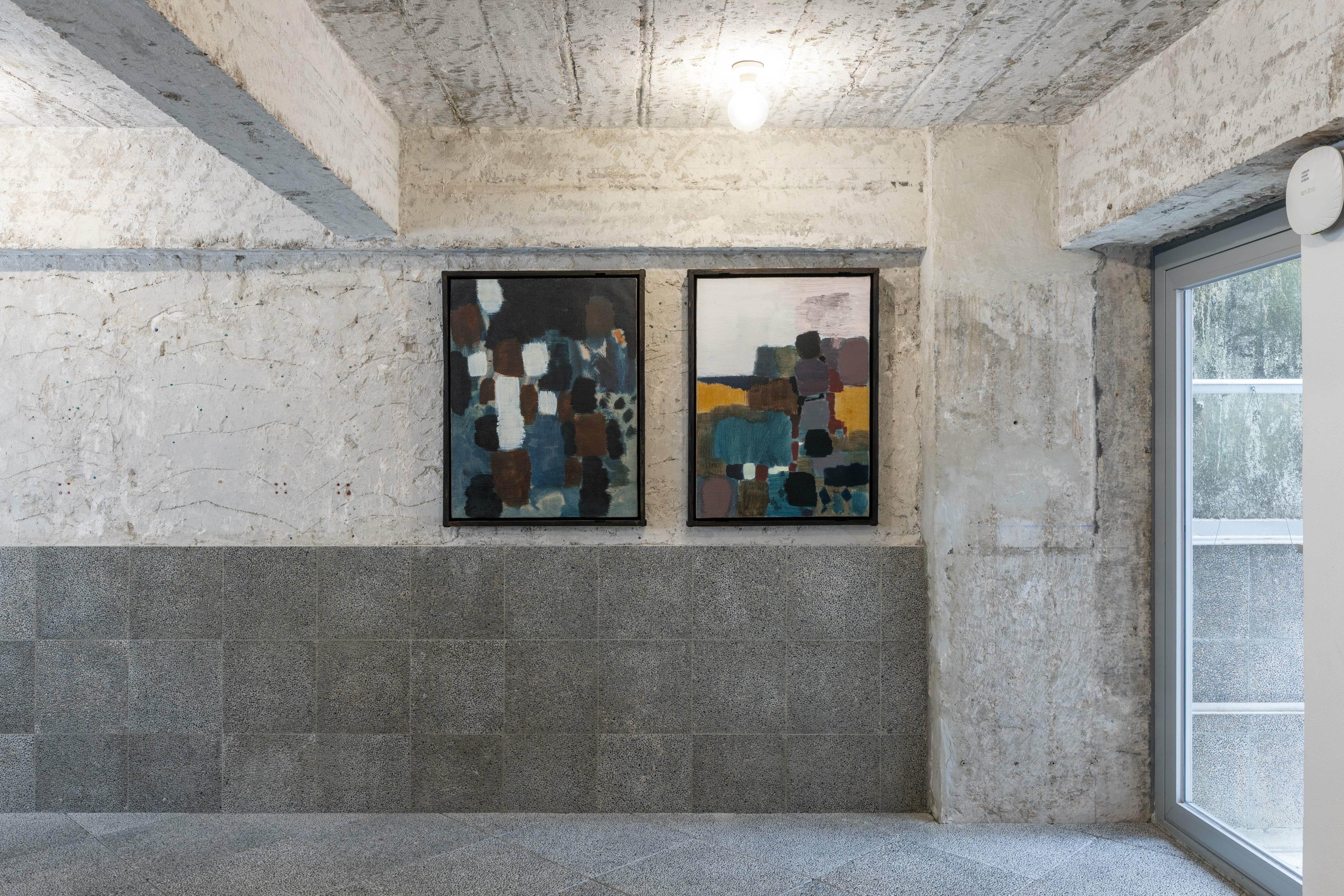
Installation view.
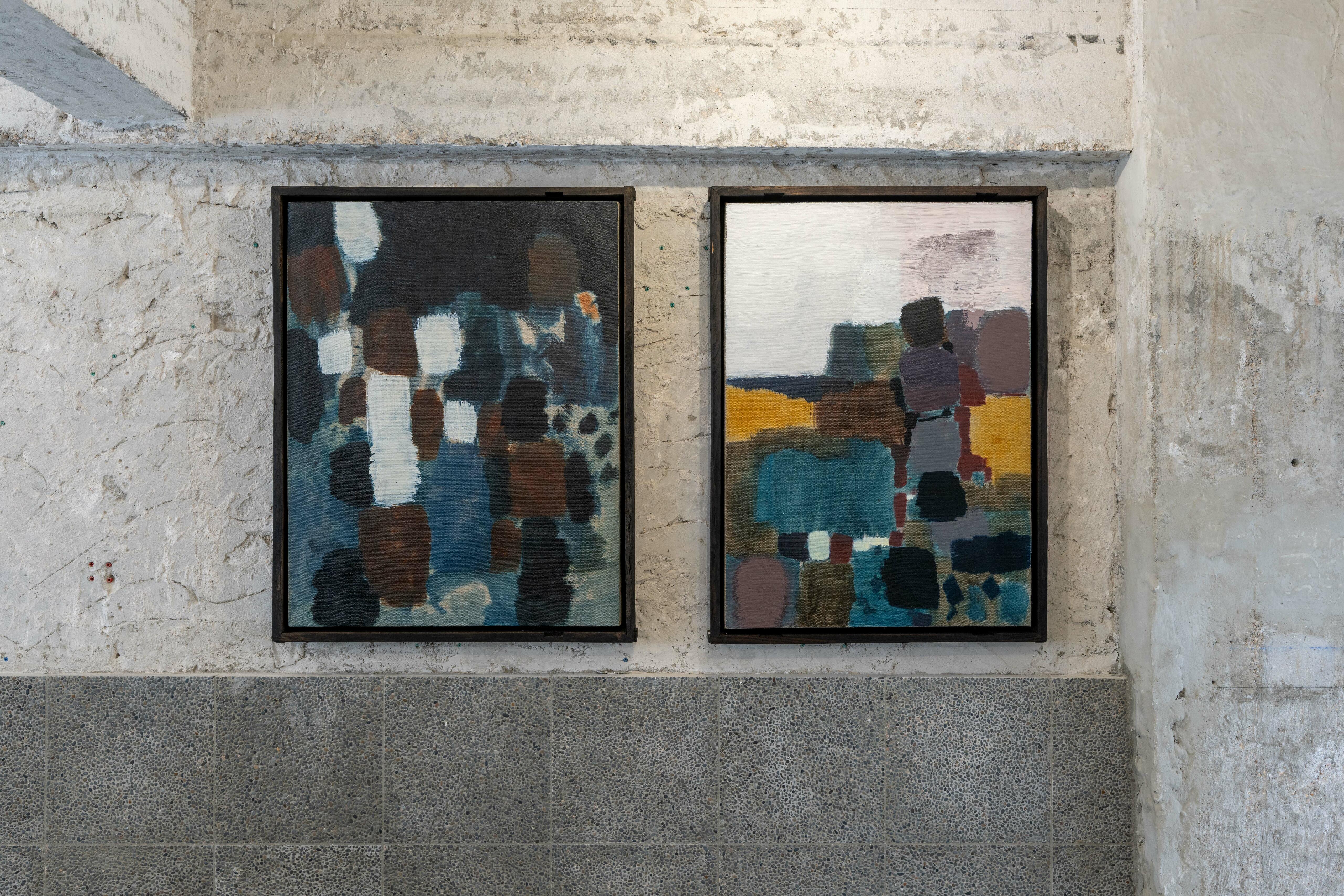
Installation view.
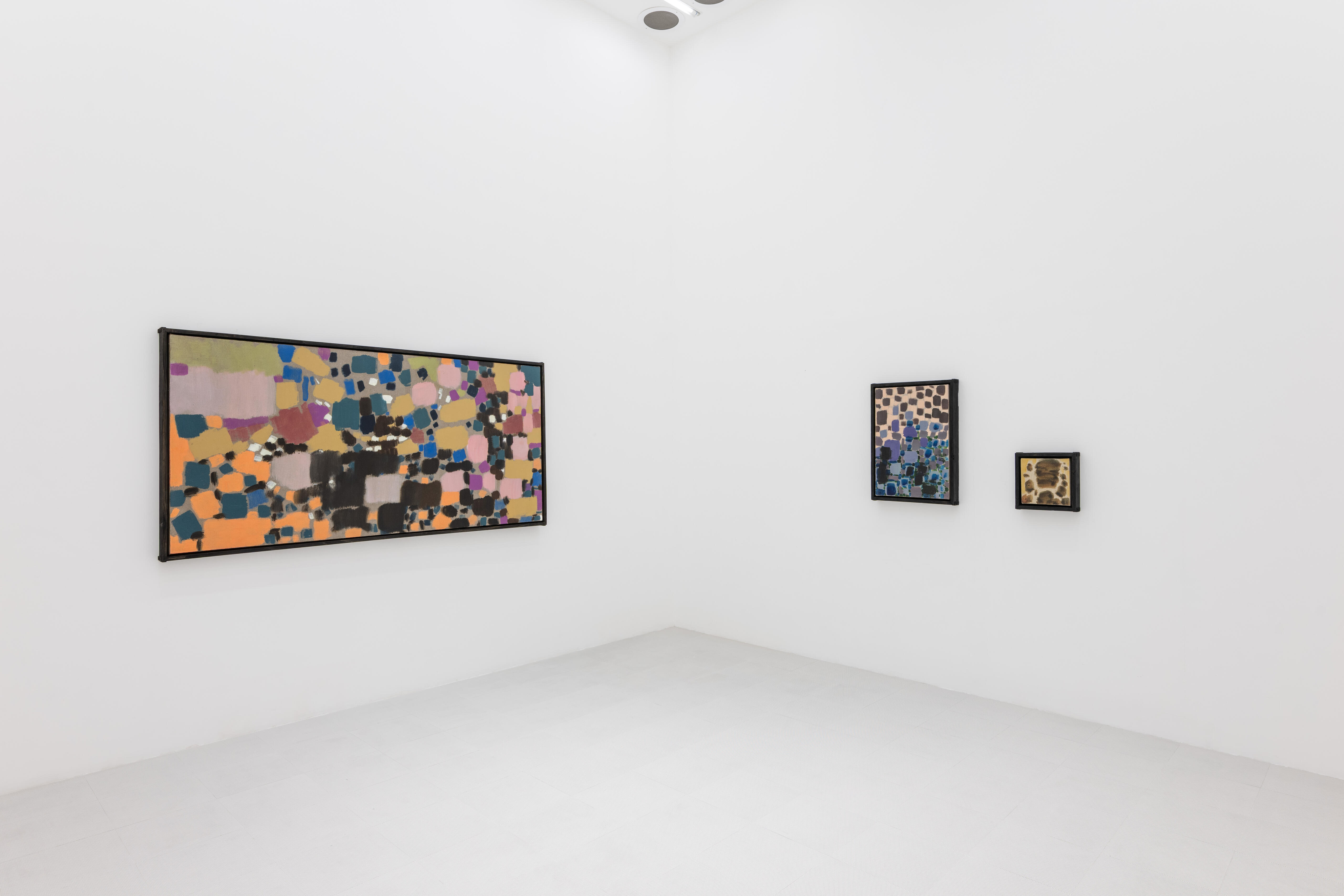
Installation view.
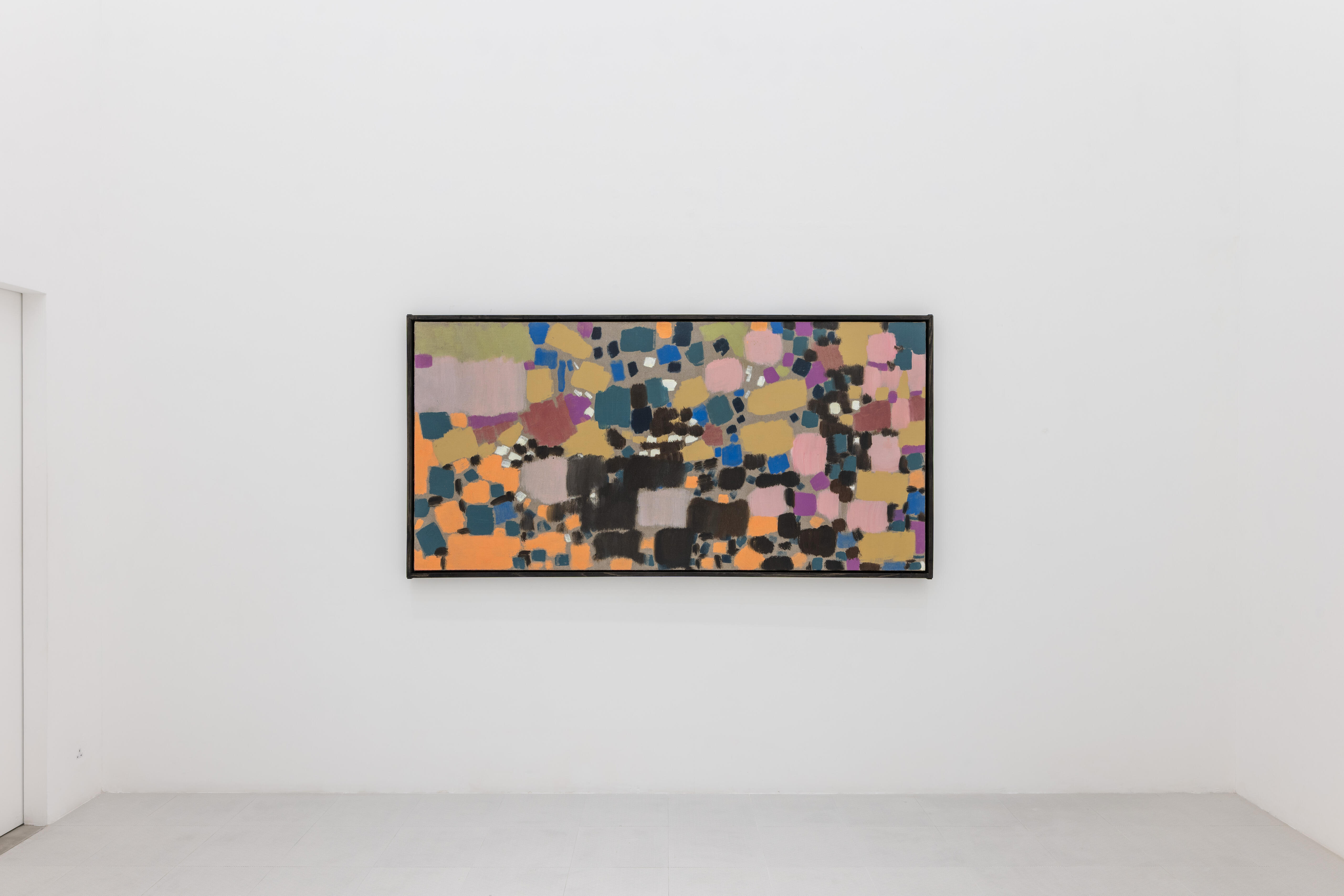
Fortuitous shades, 2025. Oil on canvas, unframed: 105 x 216 cm; 41 ⅜ x 85 in, framed: 112 x 222.5 cm; 44 ⅛ x 87 ⅝ in
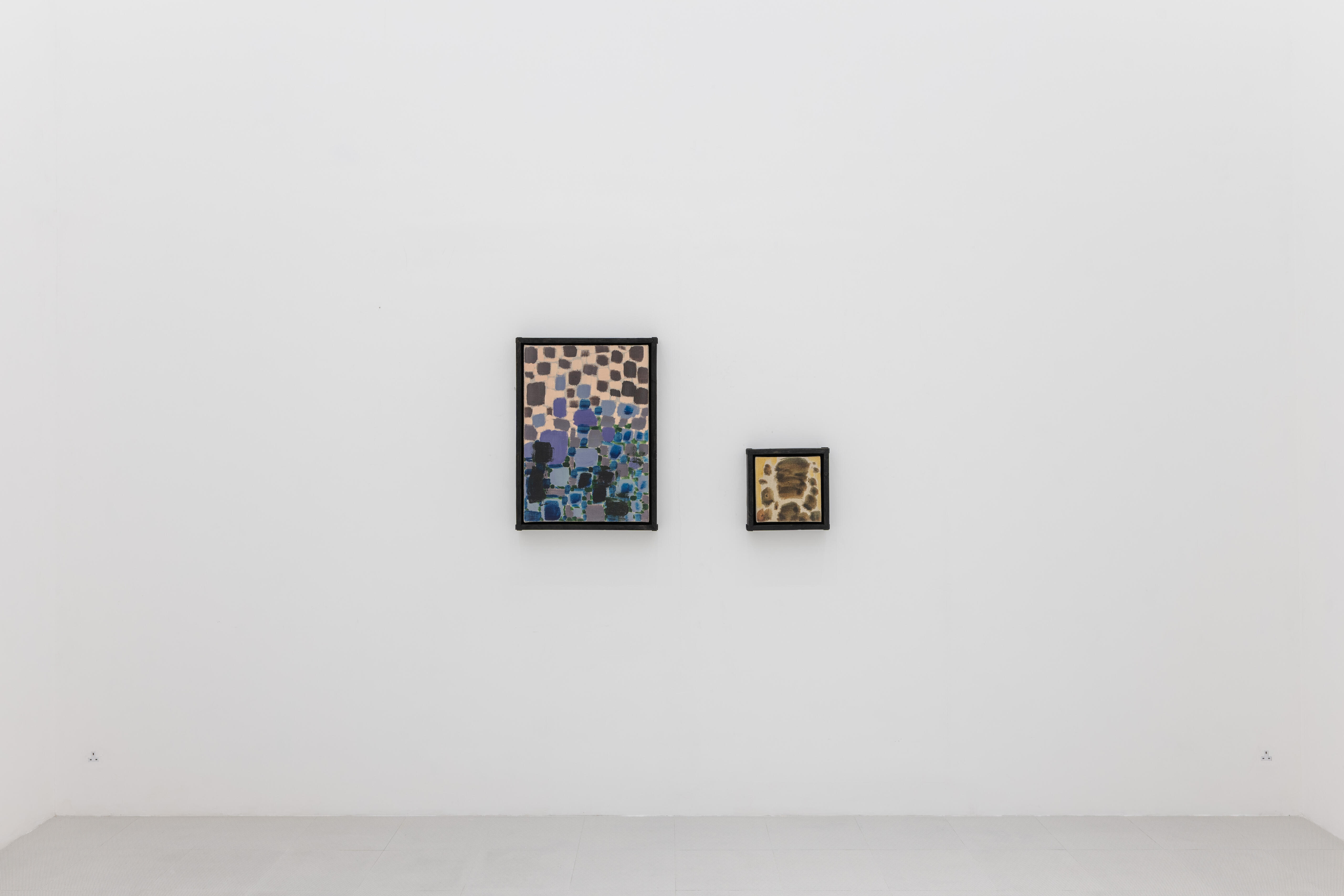
(Left) Nostalgia 9, 2025. Oil on canvas, unframed: 68.3 x 48.3 cm; 26 ⅞ x 19 in, framed: 75.3 x 55.4 cm; 29 ⅝ x 21 ¾ in
(Right) In water, 2025. Oil on canvas, unframed: 25 x 25 cm; 9 ⅞ x 9 ⅞ in, framed: 32 x 32 cm; 12 ⅝ x 12 ⅝ in
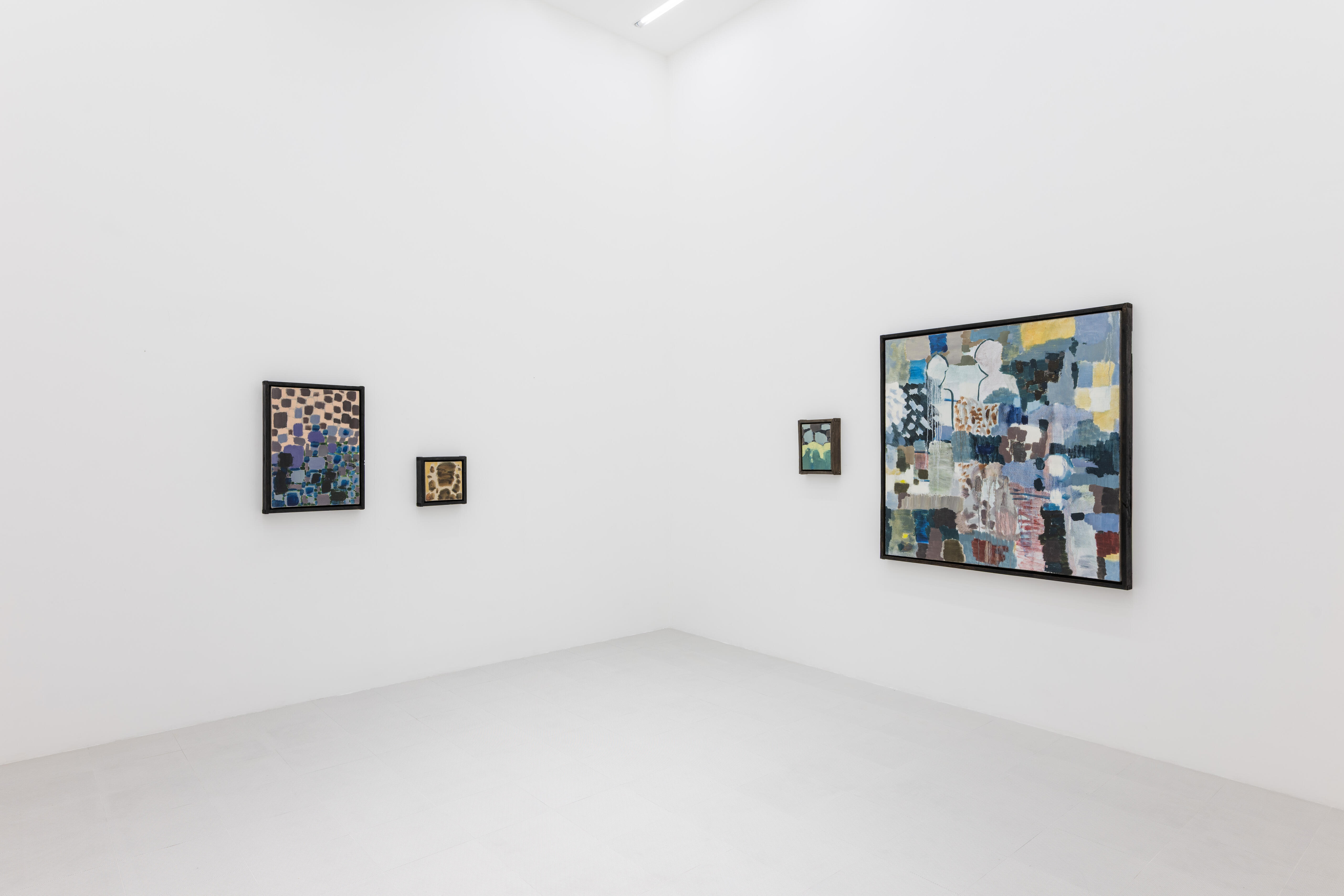
Installation view.
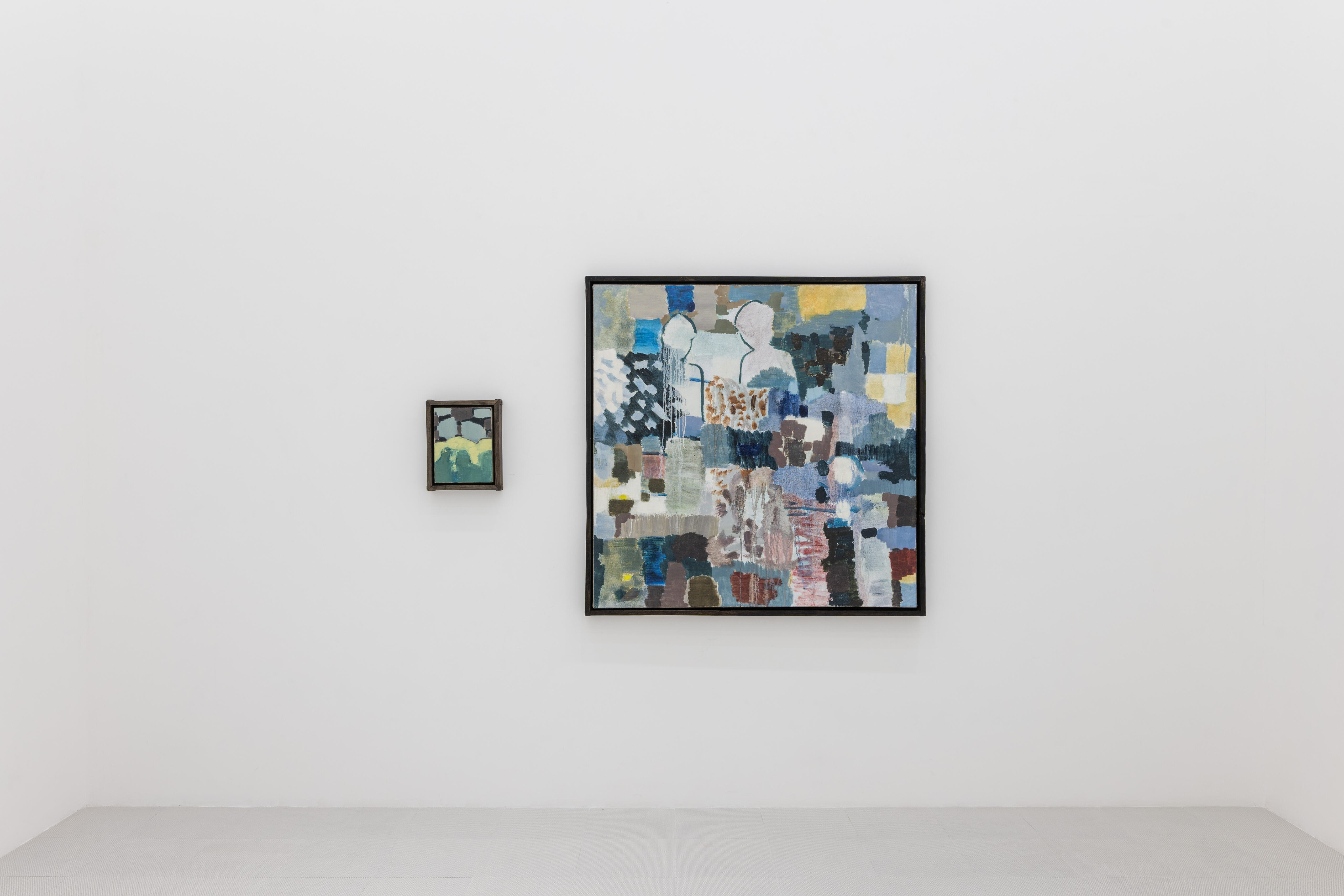
(Left) Hillside, 2025. Oil on canvas, unframed: 30.5 x 23.4 cm; 12 x 9 ¼ in, framed: 38.5 x 30.4 cm; 15 ⅛ x 12 in
(Right) Mountains tower high, rivers flow long, 2023. Acrylic and oil on canvas, unframed: 132 x 132 cm; 52 x 52 in, framed: 139 x 139 cm; 54 ¾ x 54 ¾ in
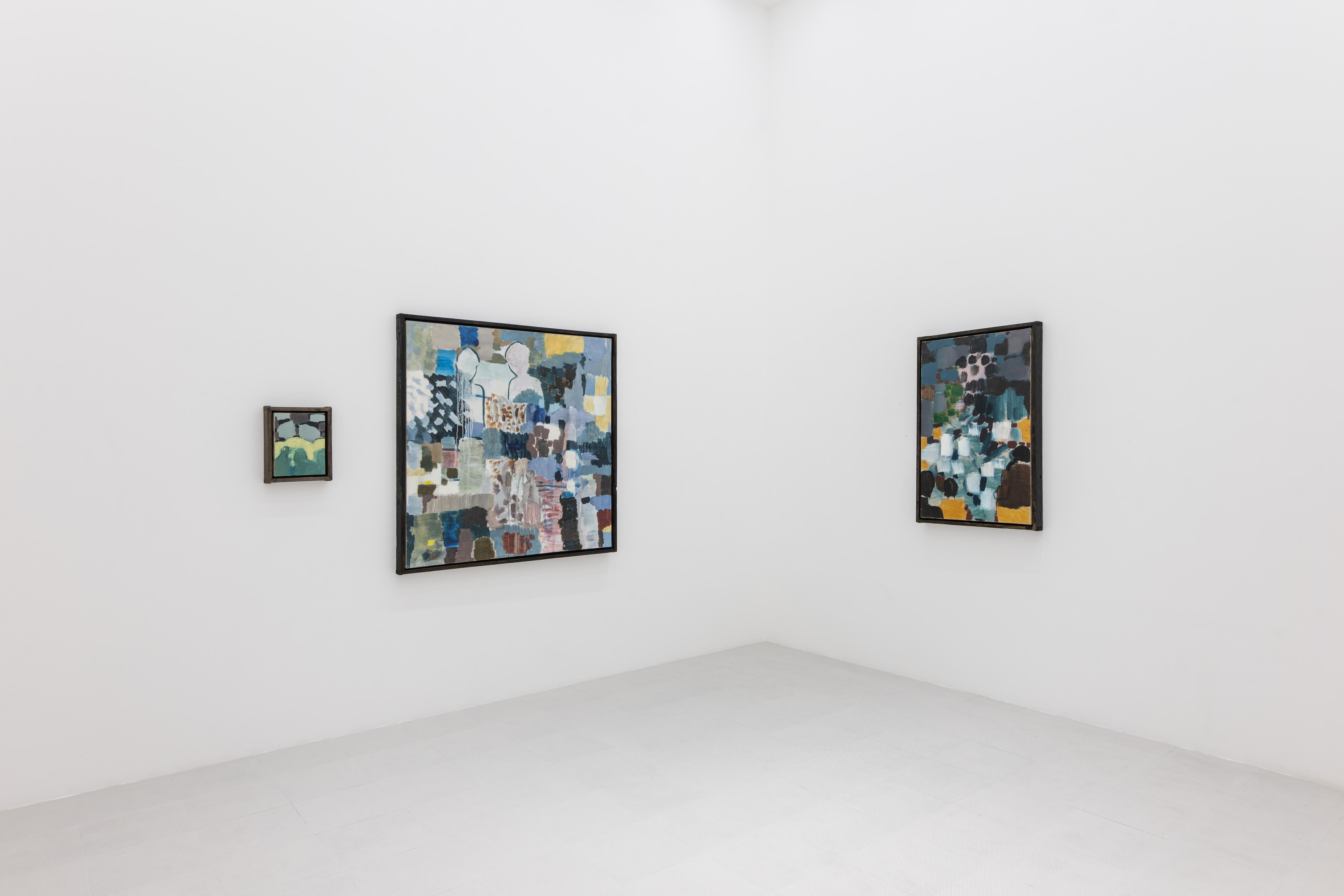
Installation view.
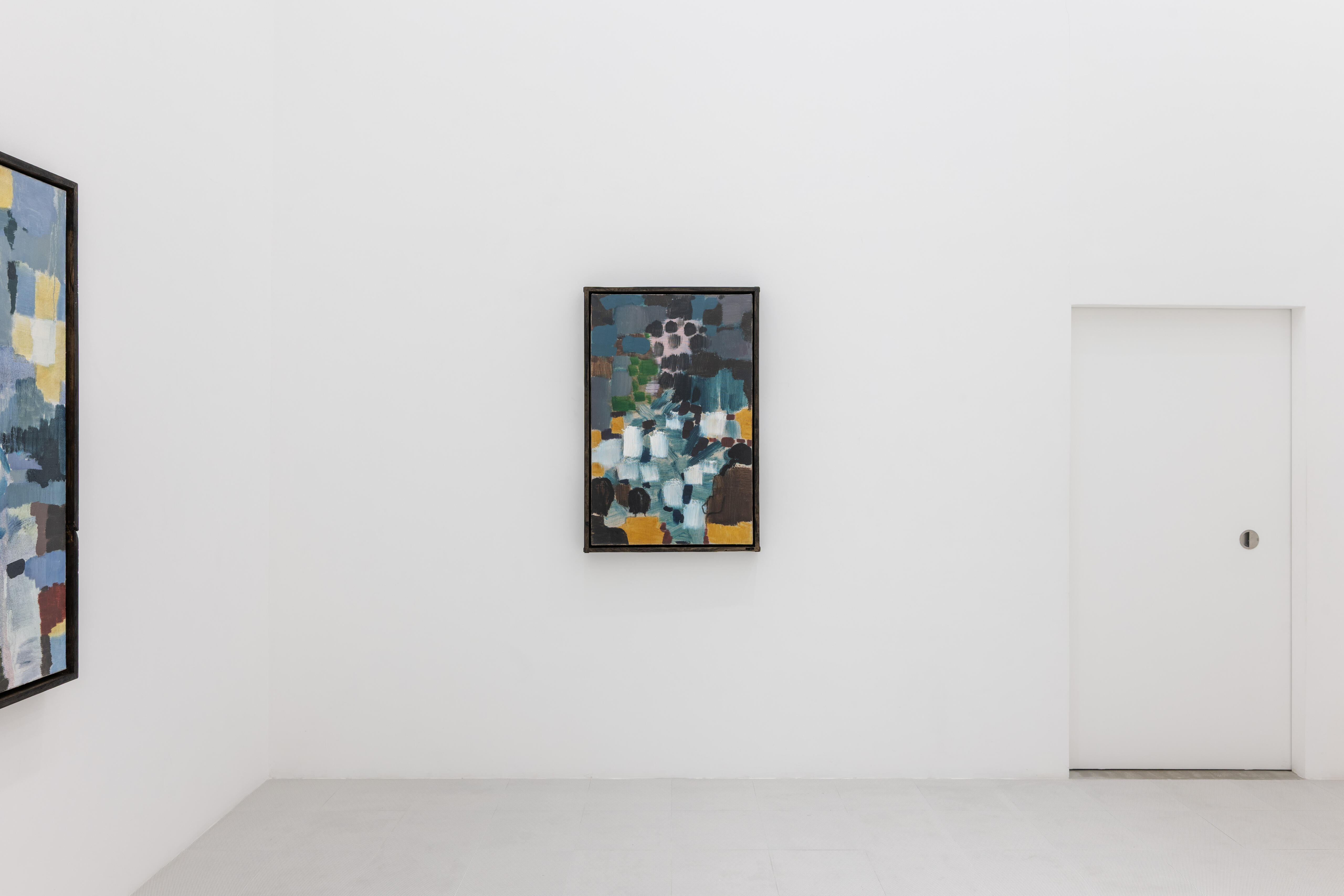
Flâneur, 2025. Oil on canvas, unframed: 107.5 x 69 cm; 42 ⅜ x 27 ⅛ in, framed: 115 x 76 cm; 45 ¼ x 29 ⅞ in
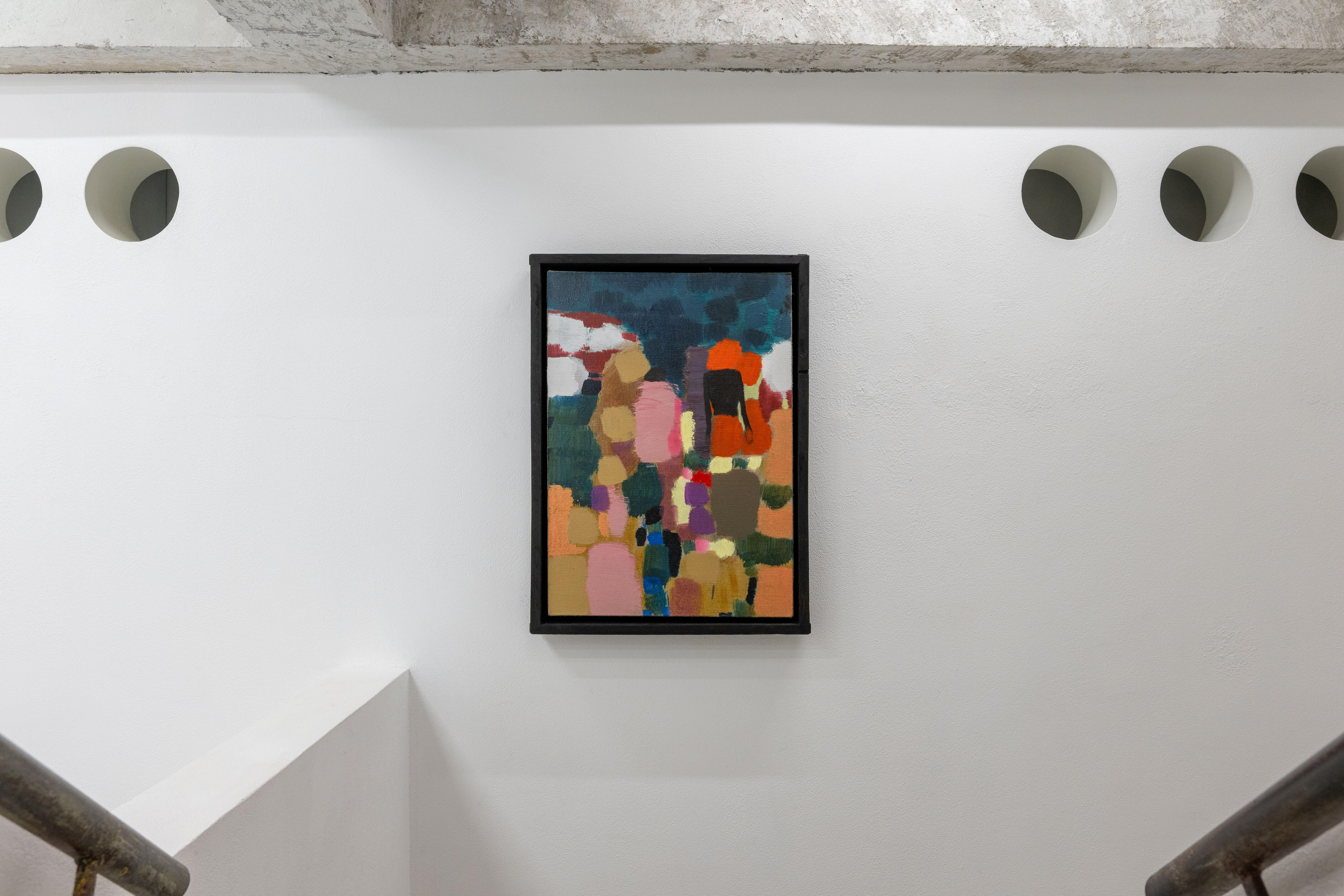
Red-haired girl, 2025. Oil on canvas, unframed: 67.8 x 48 cm; 26 ¾ x 18 ⅞ in, framed: 74.9 x 55 cm; 29 ½ x 21 ⅝ in
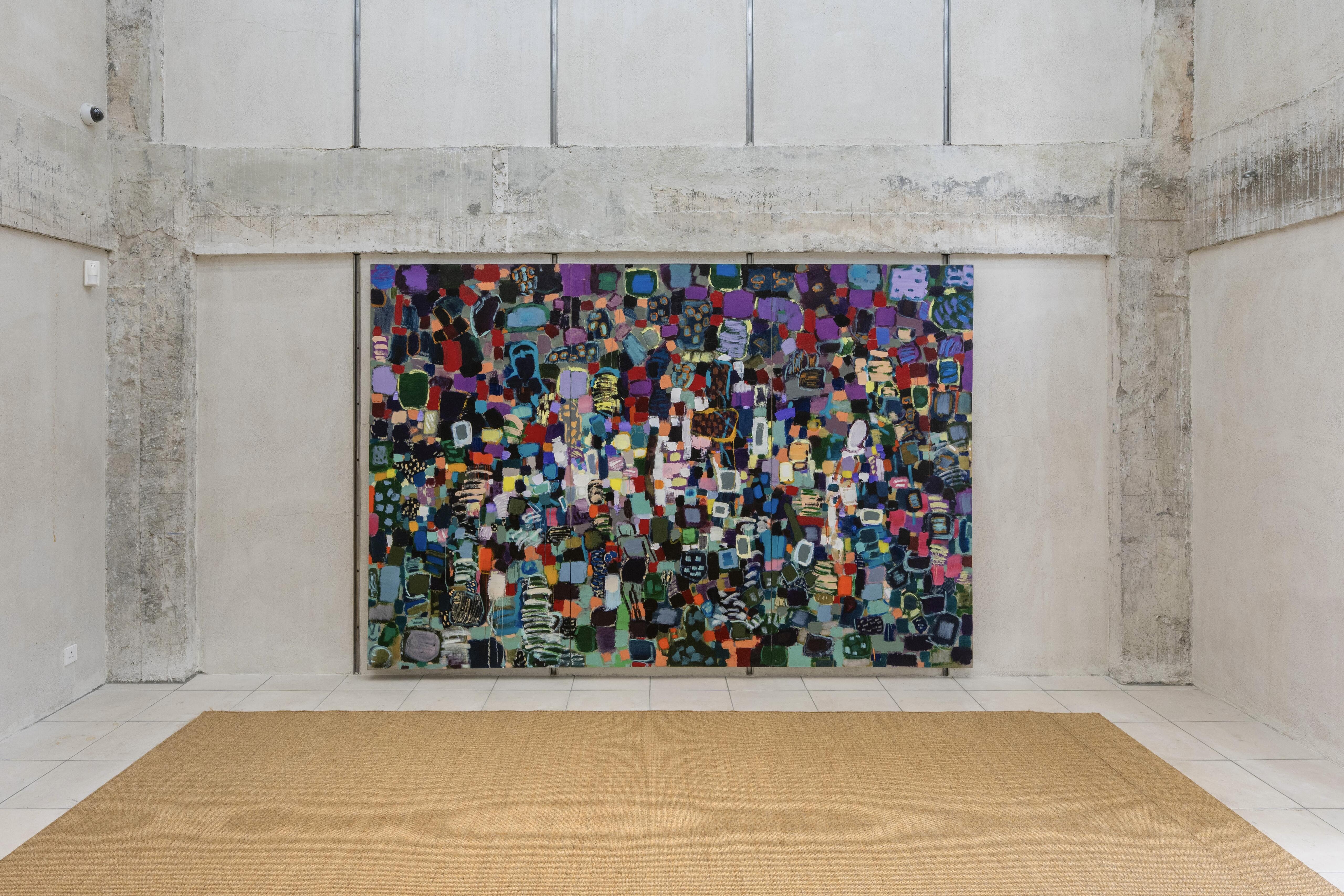
Seeking traces among the deep blossoms, 2025. Oil on canvas, triptych, 213 x 318 cm; 83 ⅞ x 125 ¼ in, each: 213 x 106 cm; 83 ⅞ x 41 ¾ in
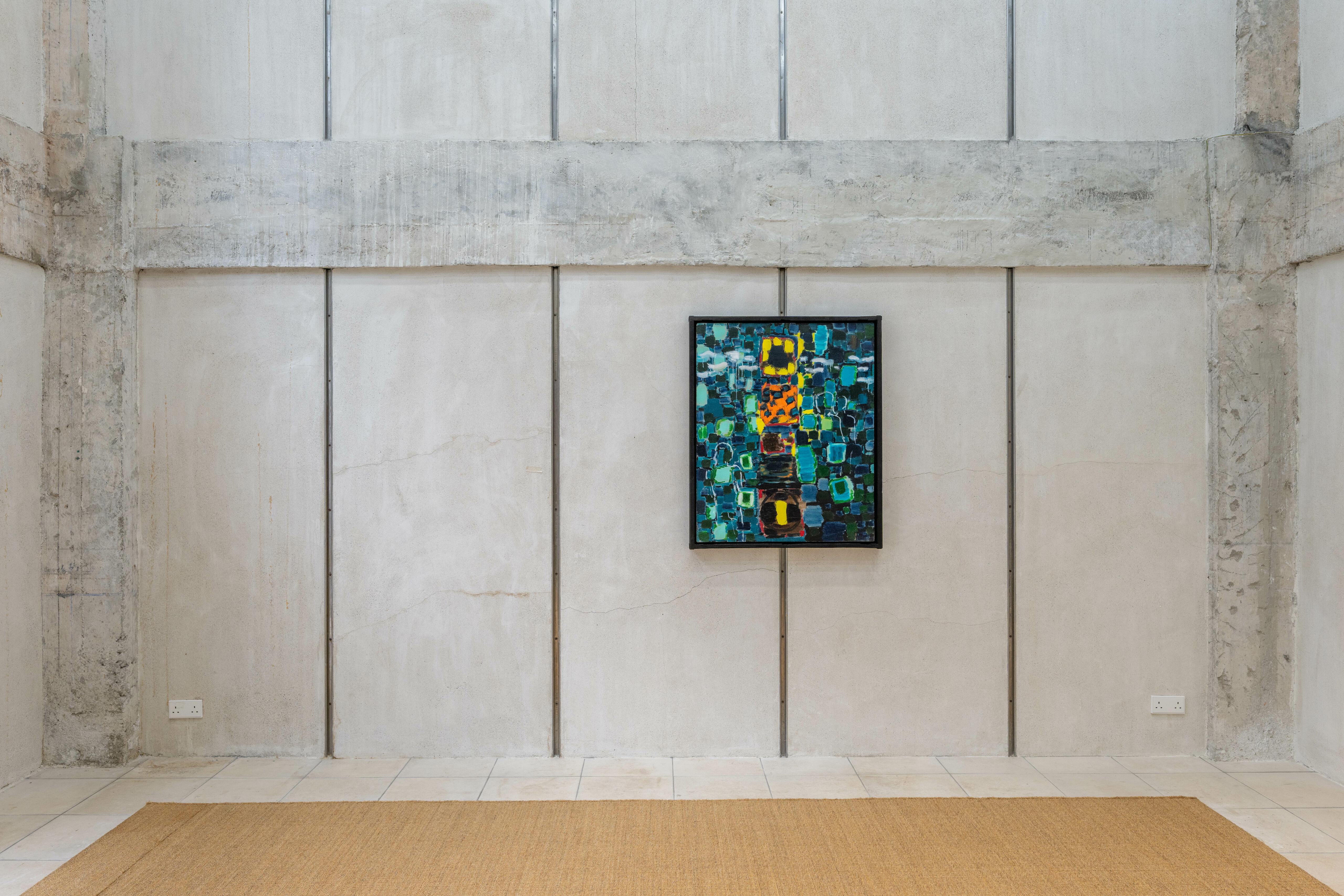
Walking with light 3, 2025. Oil on canvas, unframed: 99.5 x 81 cm; 39 ⅛ x 31 ⅞ in, framed: 106.2 x 87.8 cm; 41 ¾ x 34 ⅝ in
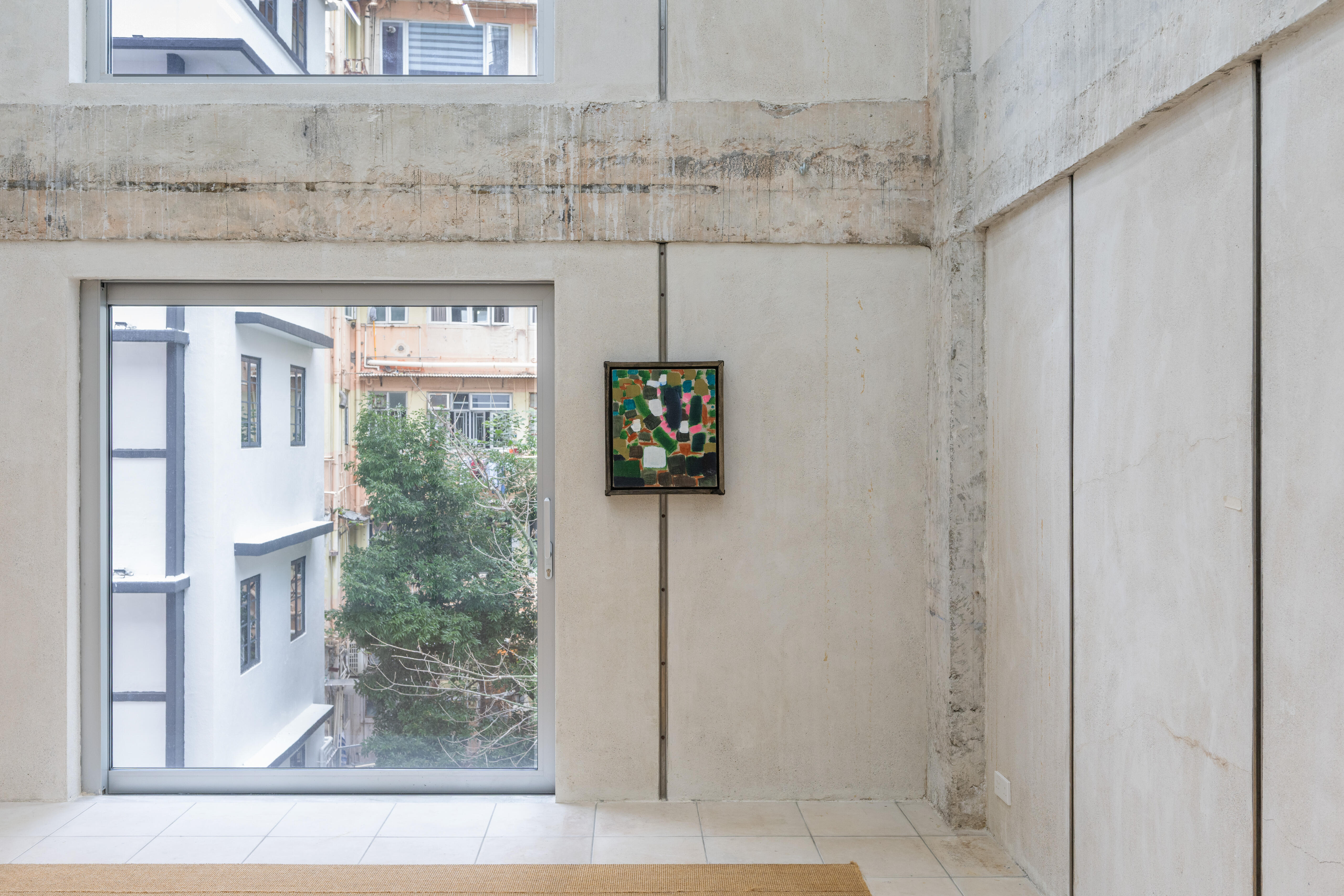
Spring’s splashes of color, 2025. Oil on canvas, unframed: 47 x 41 cm; 18 ½ x 16 ⅛ in, framed: 54 x 48.1 cm; 21 ¼ x 19 in