Pleased to share Su-Mei Tse and Thảo Nguyên Phan’s participation in The New Vision: Monet and the Contemporary Gaze, presented by Pola Museum of Art. Marking the museum’s 25th anniversary and the centenary of Claude Monet (1840-1926), the exhibition brings together nineteen works by the Impressionist master from the museum’s distinguished collection, the largest Monet collection in Asia, alongside works of eighteen contemporary artists. Through their diverse ways of seeing, the exhibition invites a renewed contemplation of vision itself, opening new horizons onto Monet’s enduring artistic vision.
Magnificent landscapes reflected in a sphere appear upside down, while the crystal ball seems to glide by magic through the jugglerʼs fluid hands. A Certain Frame Work is a series in which Su-Mei Tse engages with subjects shaped by historical frameworks, revisiting the histories of places and the narratives embedded within them.
For this exhibition, Tse has produced a new work. Its settings—the garden at Giverny and the city of Venice—are both places that Monet loved, observed, and painted. The inverted image evokes both the human retina and the camera obscura, the optical precursor of the photographic camera. As the glass orb continues to turn in the performerʼs hands, our own vision seems continually to be re-configured, together with the gaze Monet once directed toward these places.
Thao Nguyen Phan, based in Ho Chi Minh City, Vietnam, has brought into view, through poetic forms of expression, the complex history and changing realities of her homeland: the legacies of colonialism, industrialization, and the destruction of ecosystems brought about by resource development. In a video work based on the 2018 collapse of a dam on a tributary of the Mekong River, she interweaves historical fact and fable, portraying both the devastation caused by human desire and the possibility of cyclical return within the vast time of nature, through the reincarnation of humans, animals, and plants.
Both works make visible the collision between nature and civilization, as well as the profound impact of human activity on the environment. The year after Monet painted this work, he moved to Vétheuil, as though stepping away from the advancing tide of industrialization.
— Courtesy of Pola Museum of Art.
The New Vision: Monet and the Contemporary Gaze Thảo Nguyên Phan, Su-Mei Tse
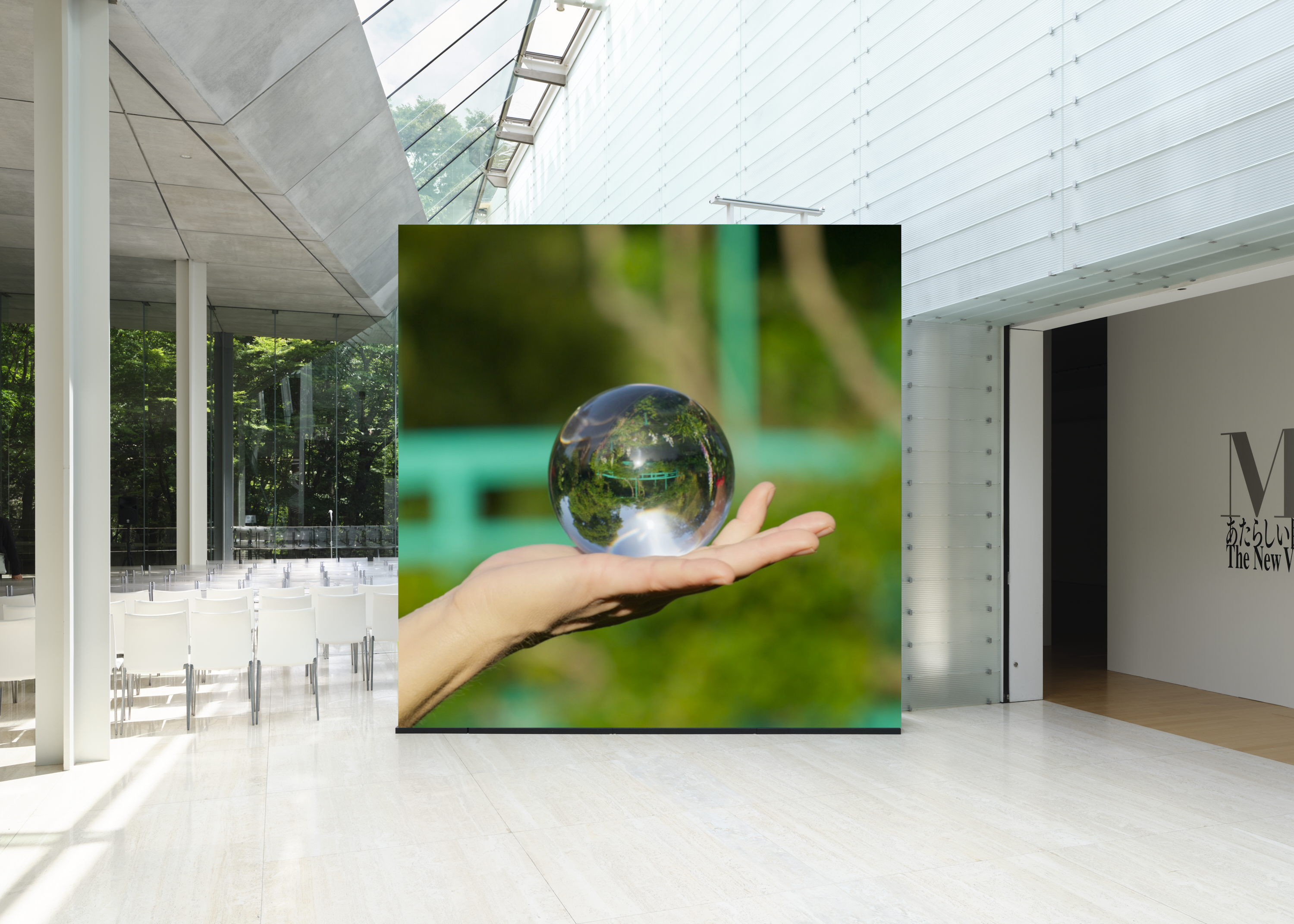
Su-Mei Tse, A Certain Frame Work 3 (Paris, Venice, Giverny), 2026, 3 videos, color, mute, 3.5 x 3.5 m. Courtesy of Pola Museum of Art.
Installation view, “The New Vision: Monet and the Contemporary Gaze”, Pola Museum of Art, Hakone, 2026. Photo: Shu Nakagawa.
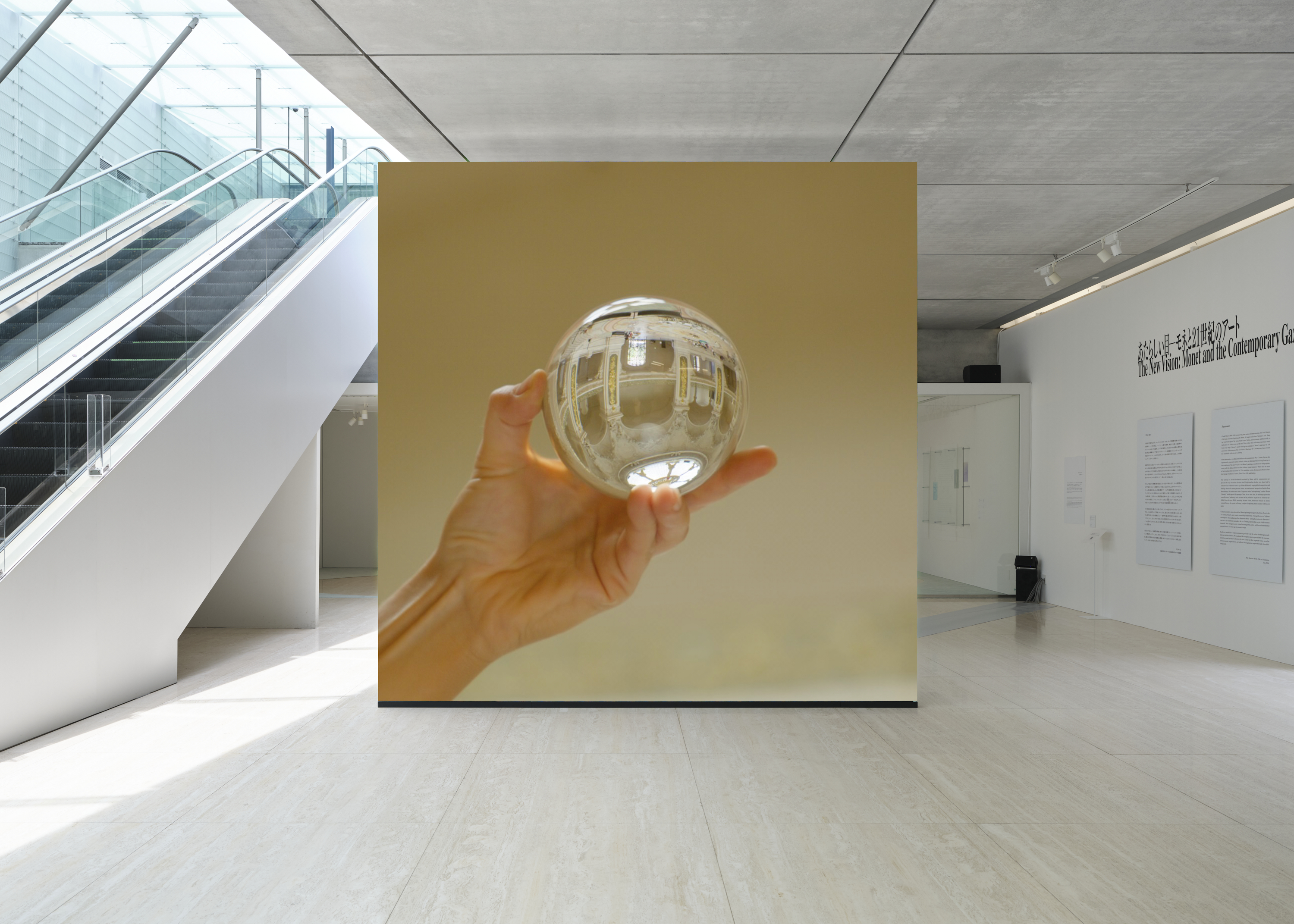
Su-Mei Tse, A Certain Frame Work 3 (Paris, Venice, Giverny), 2026, 3 videos, color, mute, 3.5 x 3.5 m. Courtesy of Pola Museum of Art.
Installation view, “The New Vision: Monet and the Contemporary Gaze”, Pola Museum of Art, Hakone, 2026. Photo: Shu Nakagawa.
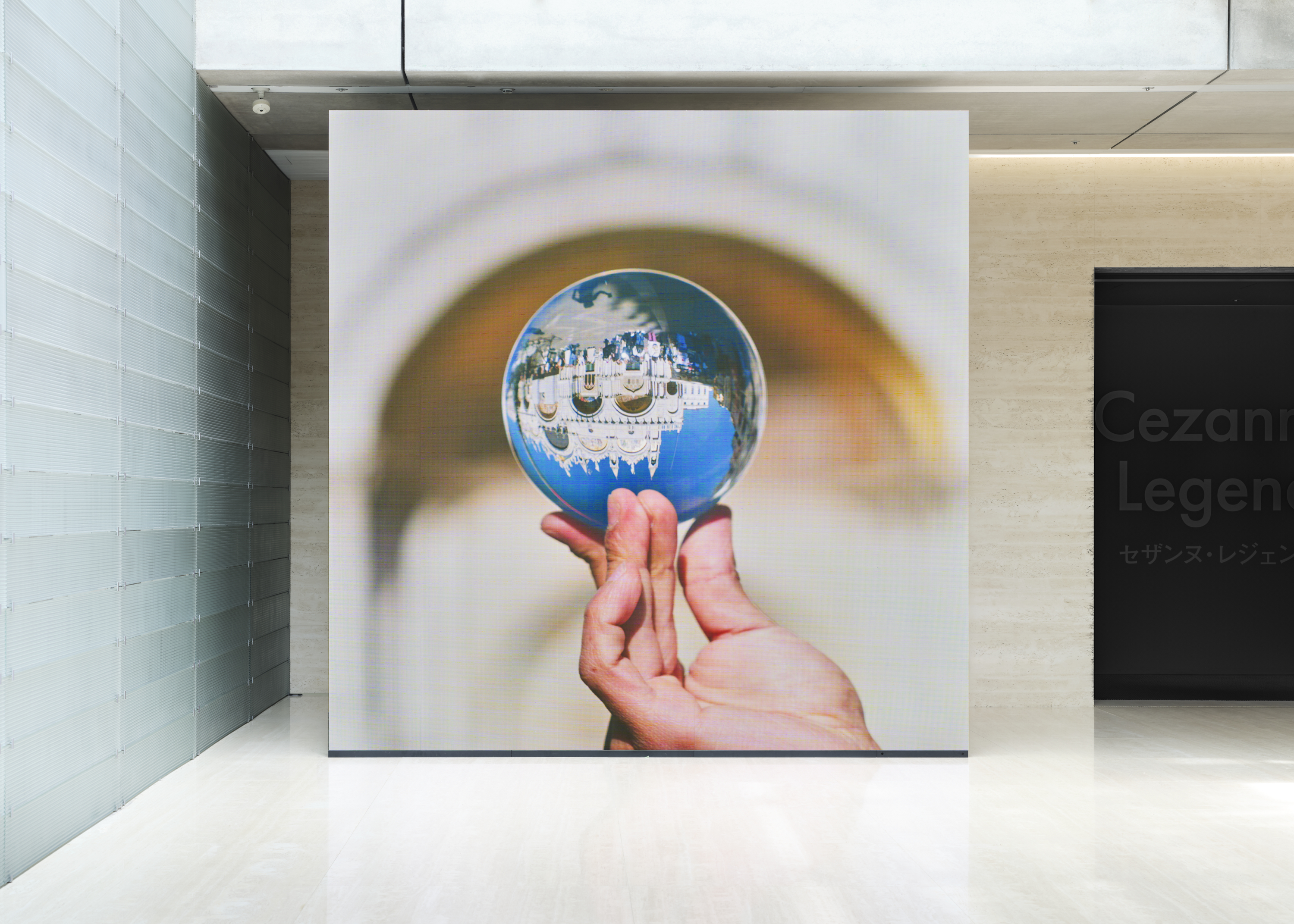
Su-Mei Tse, A Certain Frame Work 3 (Paris, Venice, Giverny), 2026, 3 videos, color, mute, 3.5 x 3.5 m. Courtesy of Pola Museum of Art.
Installation view, “The New Vision: Monet and the Contemporary Gaze”, Pola Museum of Art, Hakone, 2026. Photo: Shu Nakagawa.
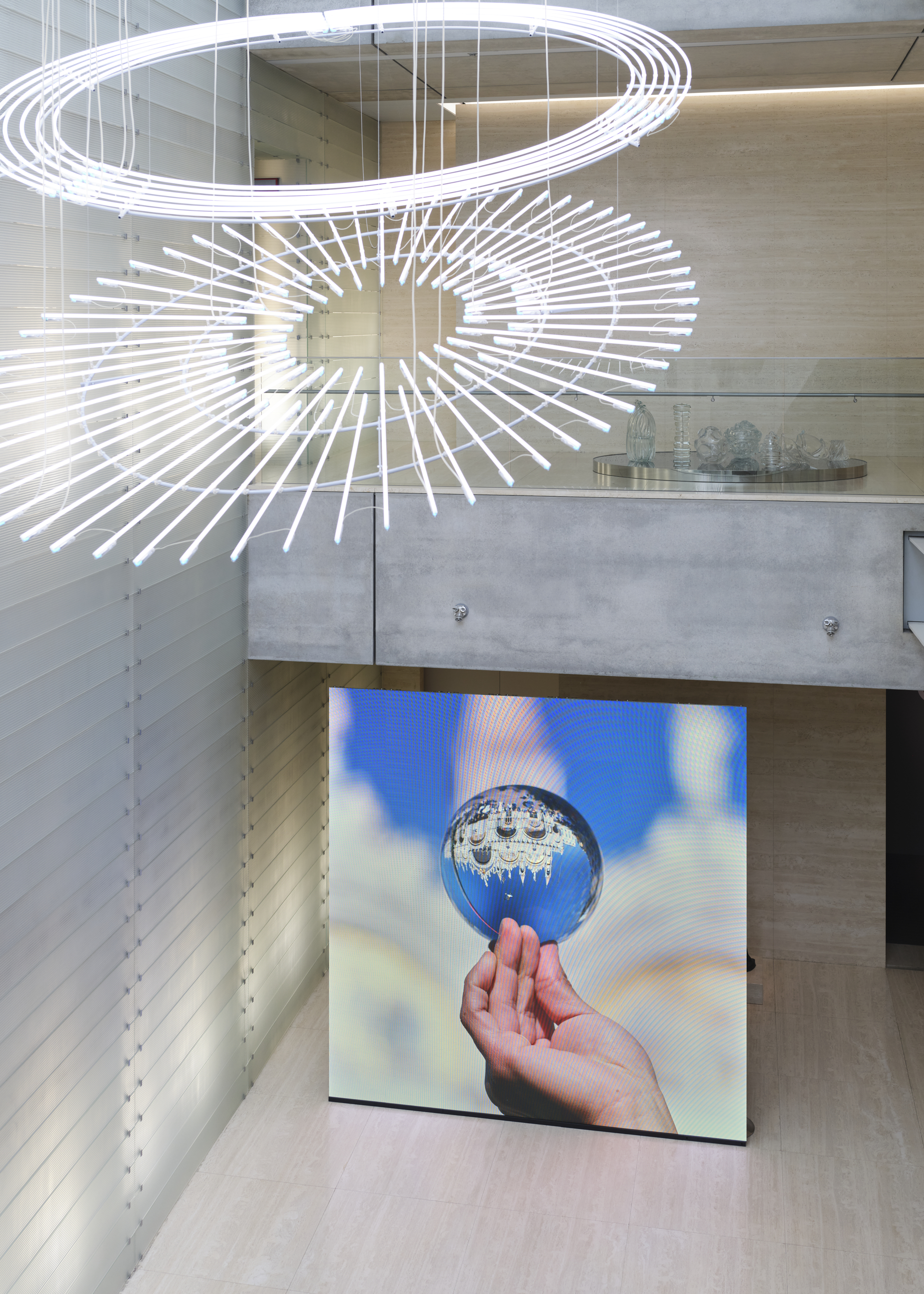
Su-Mei Tse, A Certain Frame Work 3 (Paris, Venice, Giverny), 2026, 3 videos, color, mute, 3.5 x 3.5 m. Courtesy of Pola Museum of Art.
Installation view, “The New Vision: Monet and the Contemporary Gaze”, Pola Museum of Art, Hakone, 2026. Photo: Shu Nakagawa.
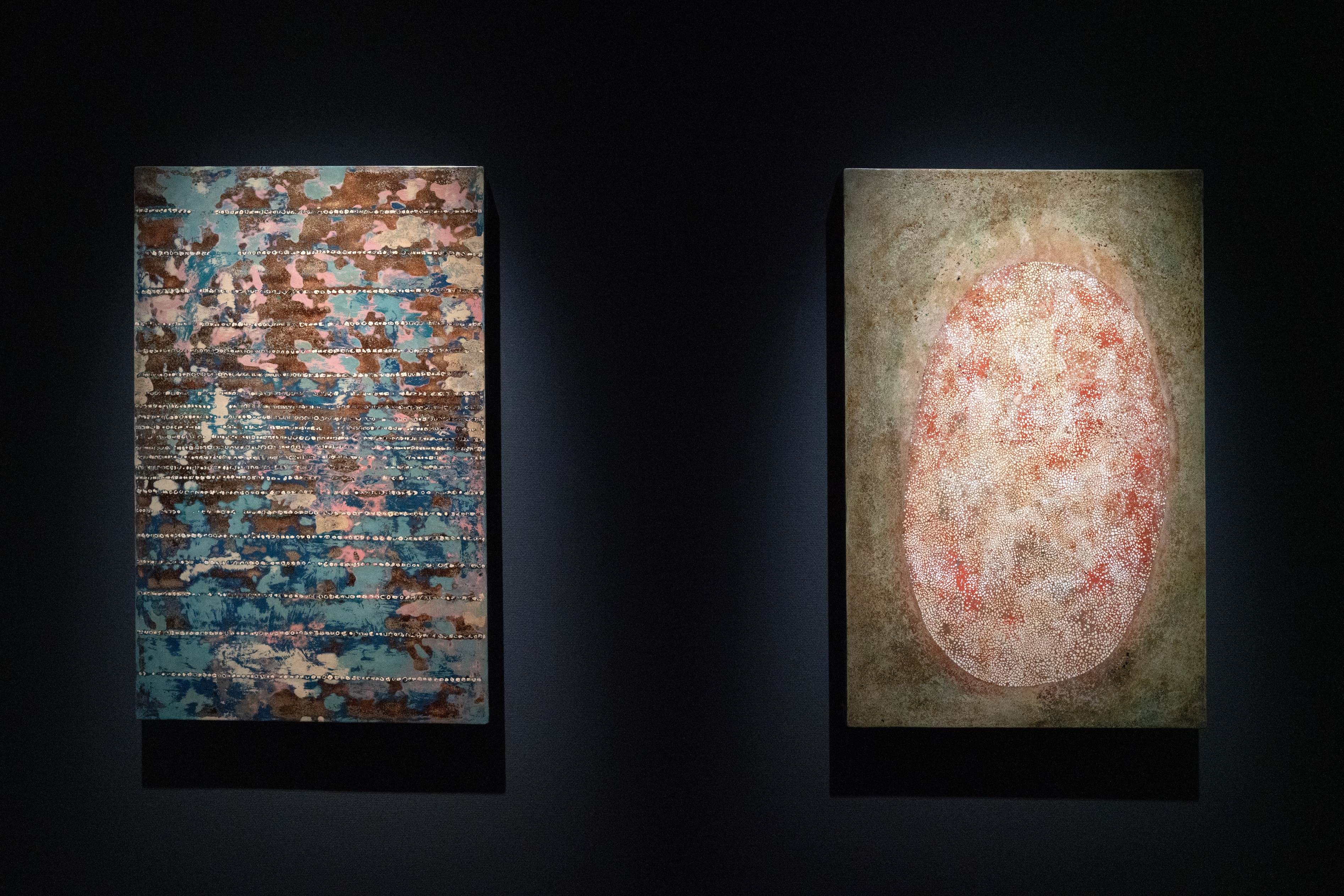
Thảo Nguyên Phan, Opaque Fragile, 2026 ongoing. Vietnamese lacquer (sơn mài) on wood panel, pigment, eggshell, mother of pearl, silver leaf, gold leaf…, 120 x 80 x 7cm each.
Installation view, “The New Vision: Monet and the Contemporary Gaze”, Pola Museum of Art, Hakone, Japan, 2026.
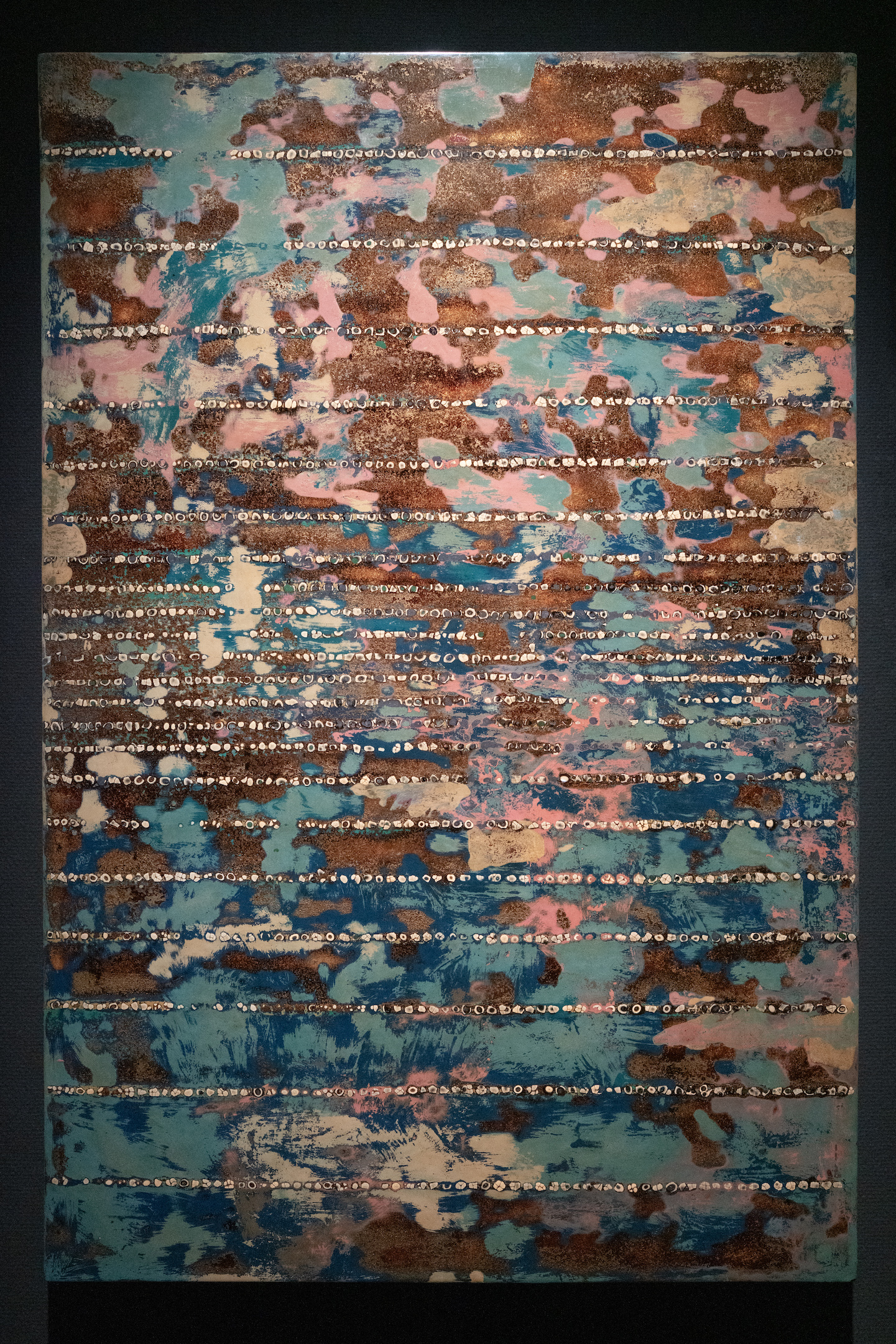
Thảo Nguyên Phan, Opaque Fragile, 2026 ongoing. Vietnamese lacquer (sơn mài) on wood panel, pigment, eggshell, mother of pearl, silver leaf, gold leaf…, 120 x 80 x 7cm each.
Installation view, “The New Vision: Monet and the Contemporary Gaze”, Pola Museum of Art, Hakone, Japan, 2026.
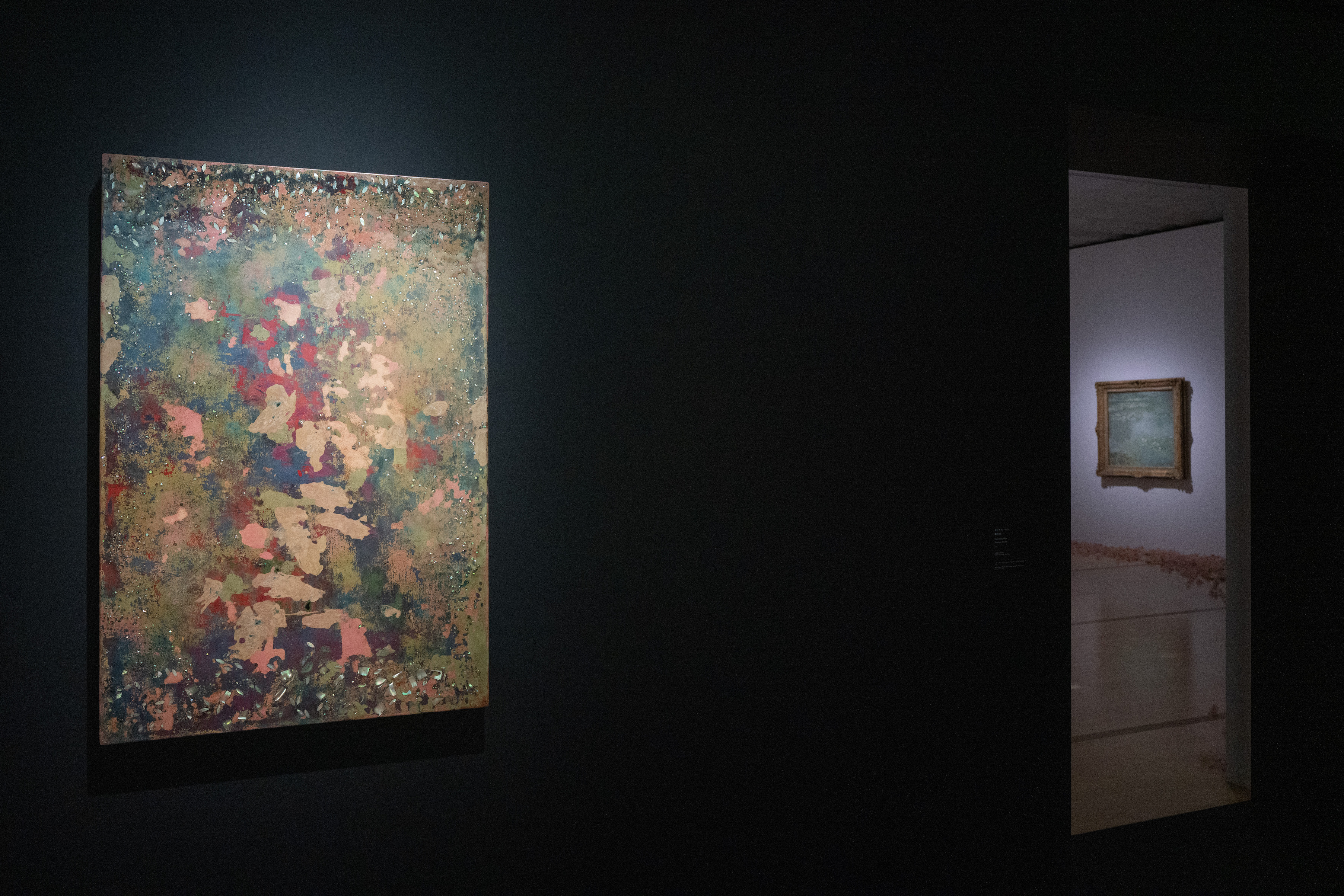
Thảo Nguyên Phan, Opaque Fragile, 2026 ongoing. Vietnamese lacquer (sơn mài) on wood panel, pigment, eggshell, mother of pearl, silver leaf, gold leaf…, 120 x 80 x 7cm each.
Installation view, “The New Vision: Monet and the Contemporary Gaze”, Pola Museum of Art, Hakone, Japan, 2026.
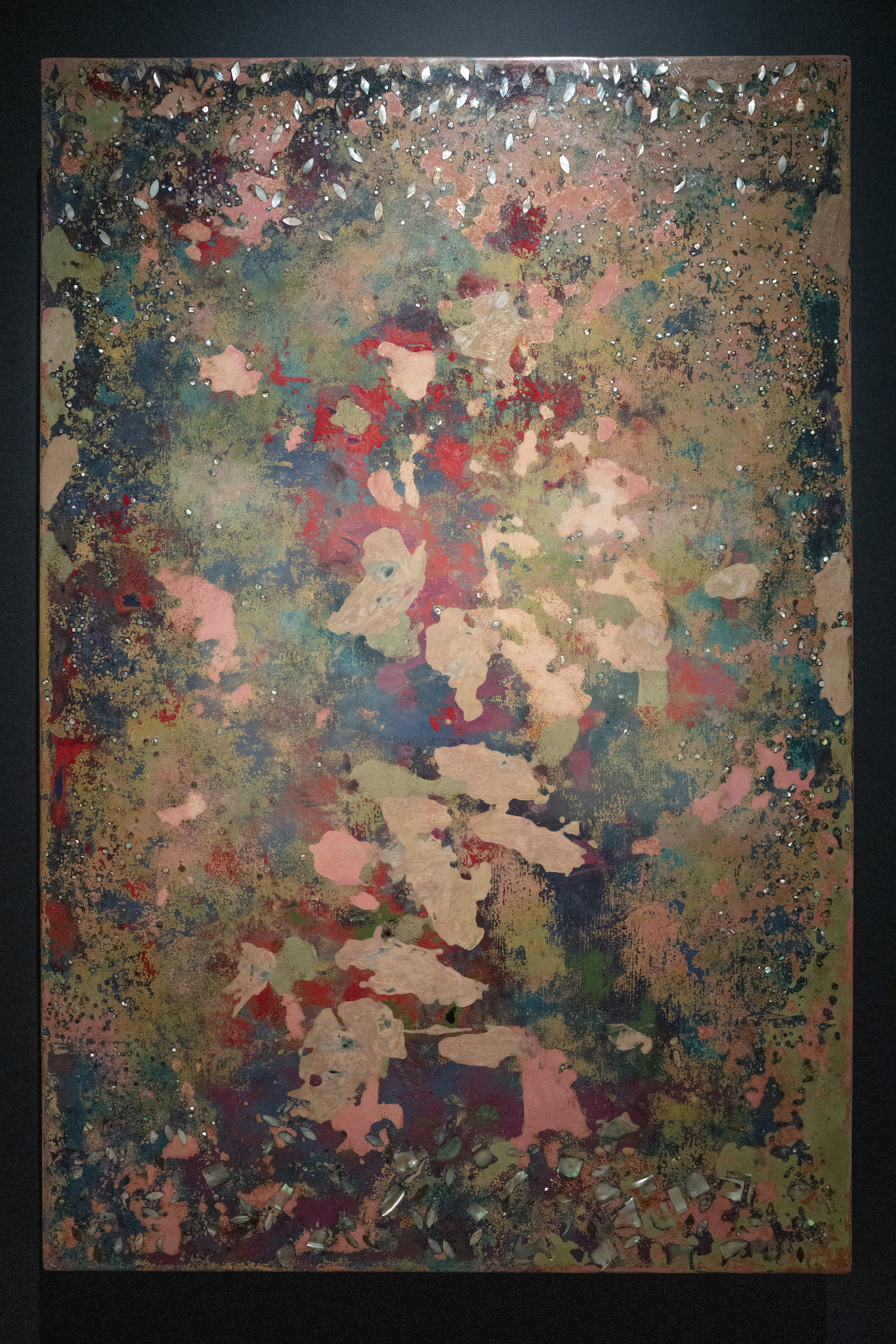
Thảo Nguyên Phan, Opaque Fragile, 2026 ongoing. Vietnamese lacquer (sơn mài) on wood panel, pigment, eggshell, mother of pearl, silver leaf, gold leaf…, 120 x 80 x 7cm each.
Installation view, “The New Vision: Monet and the Contemporary Gaze”, Pola Museum of Art, Hakone, Japan, 2026.
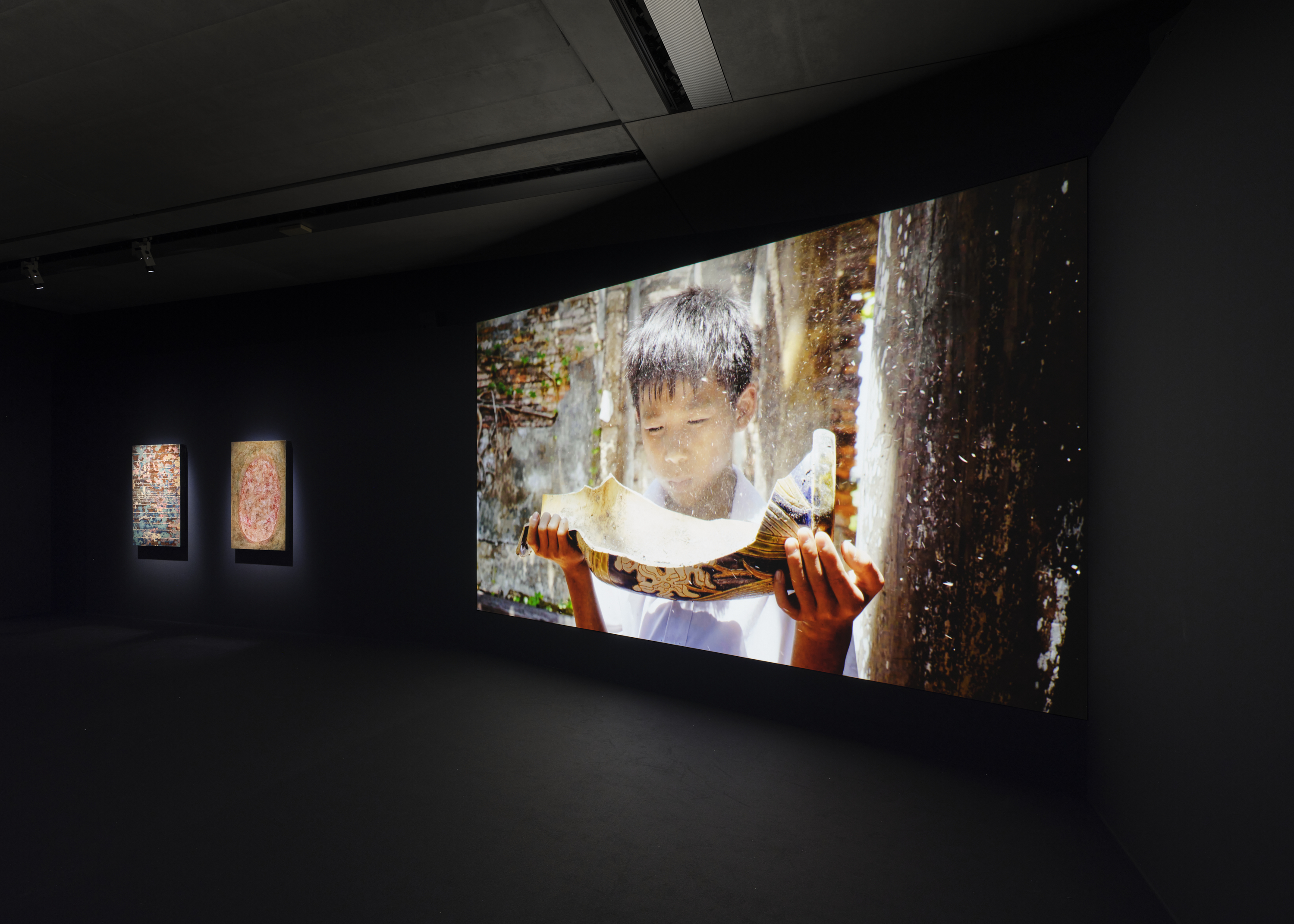
Installation view, “The New Vision: Monet and the Contemporary Gaze”, Pola Museum of Art, Hakone, Japan, 2026.
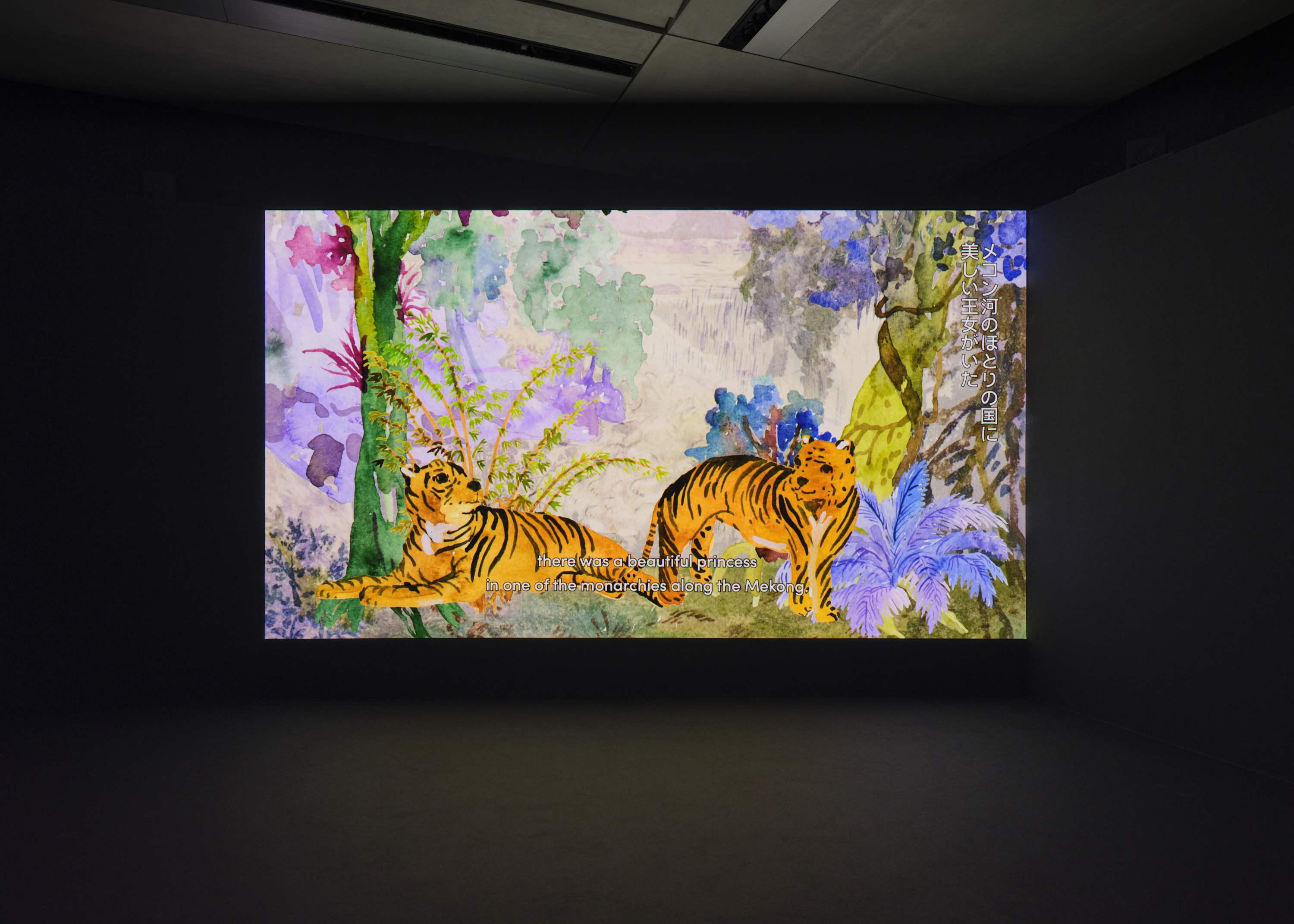
Thảo Nguyên Phan, Becoming Alluvium, 2019. Single channel digital video, colour, sound, 16 min 40 sec.
Installation view, “The New Vision: Monet and the Contemporary Gaze”, Pola Museum of Art, Hakone, Japan, 2026.
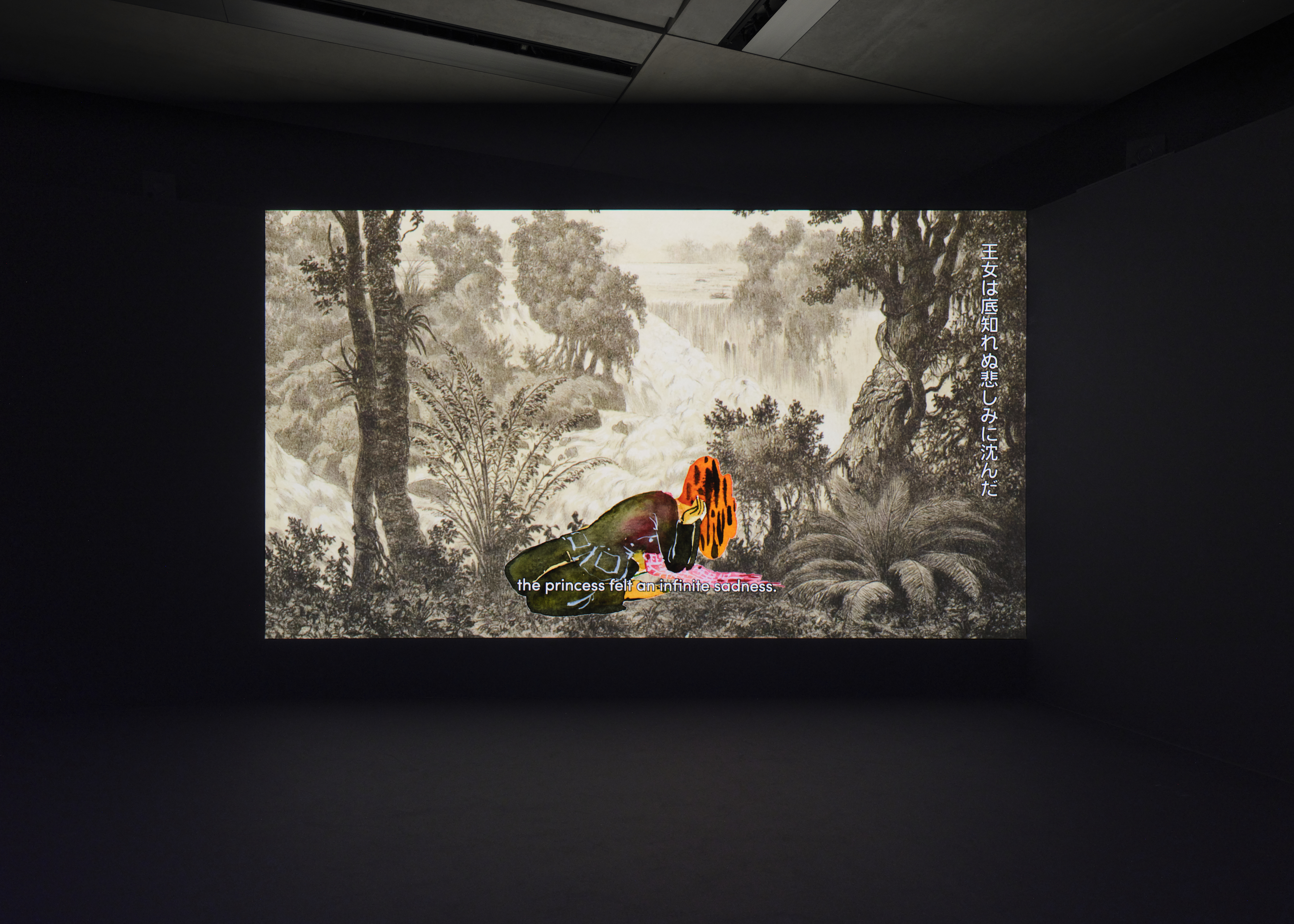
Thảo Nguyên Phan, Becoming Alluvium, 2019. Single channel digital video, colour, sound, 16 min 40 sec.
Installation view, “The New Vision: Monet and the Contemporary Gaze”, Pola Museum of Art, Hakone, Japan, 2026.
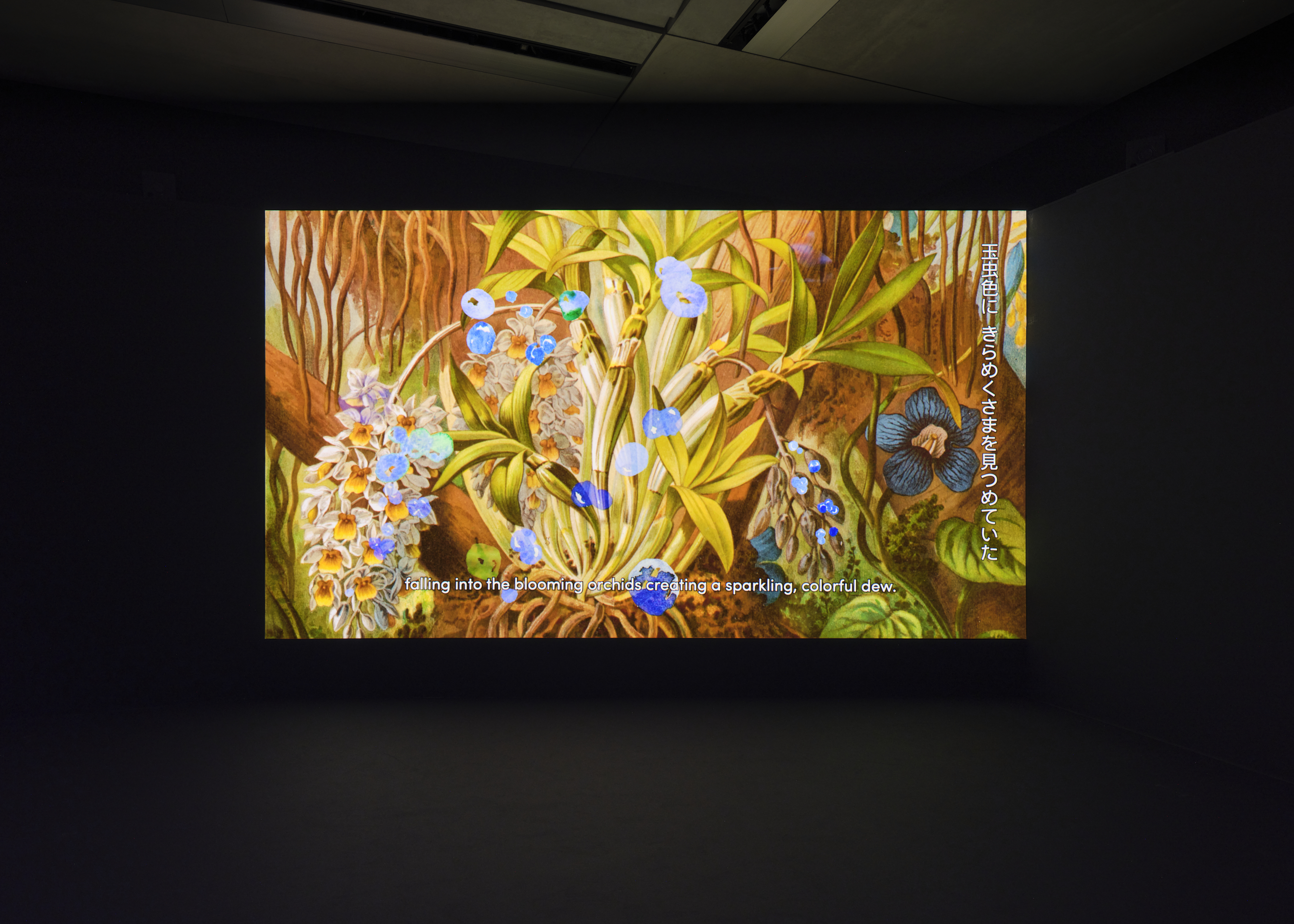
Thảo Nguyên Phan, Becoming Alluvium, 2019. Single channel digital video, colour, sound, 16 min 40 sec.
Installation view, “The New Vision: Monet and the Contemporary Gaze”, Pola Museum of Art, Hakone, Japan, 2026.