Pleased to share Tiffany Chung’s first comprehensive museum survey Tiffany Chung: indelible traces at the Art, Design & Architecture Museum at UC Santa Barbara. The eponymous publication has been published as the artist’s first scholarly monograph.
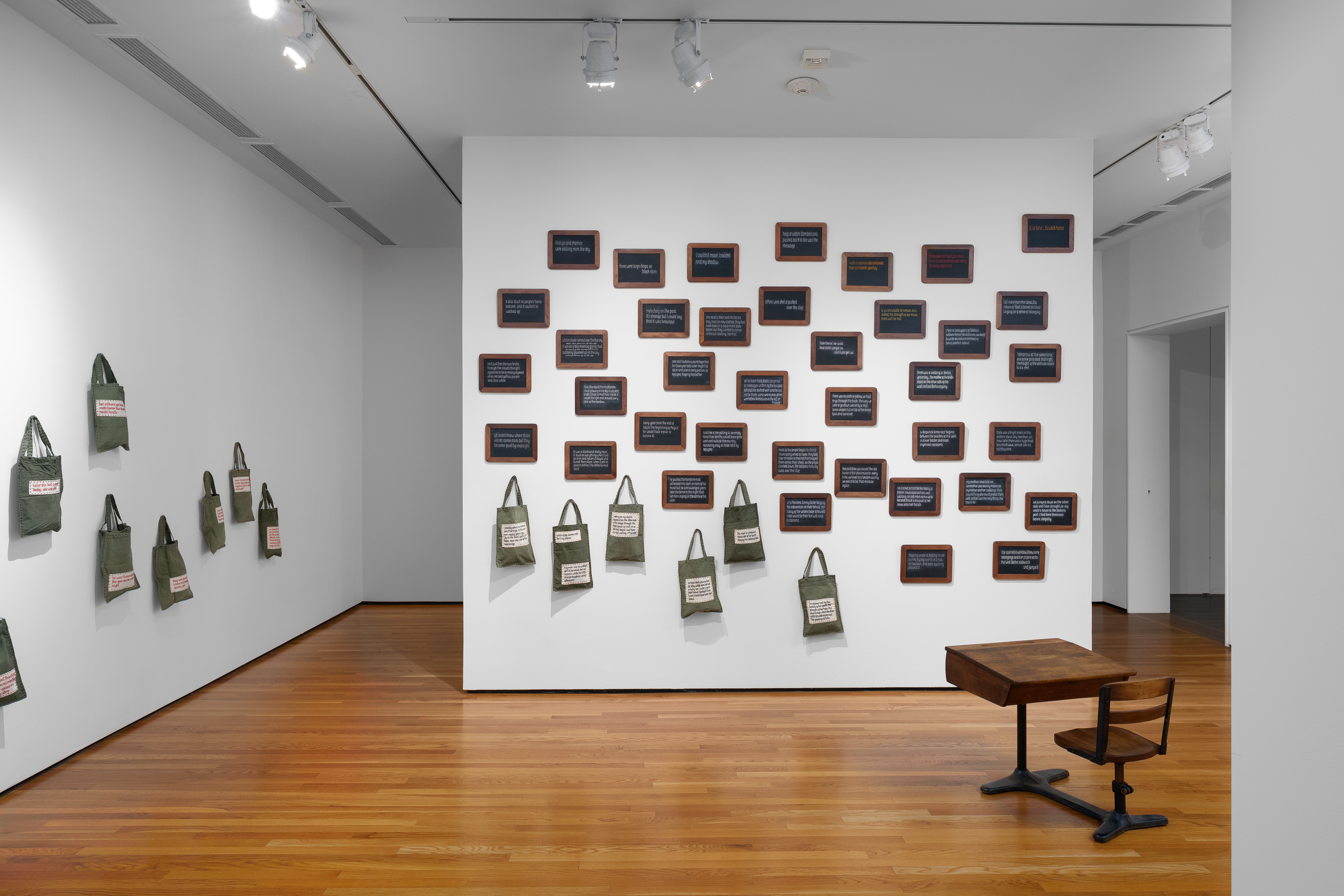
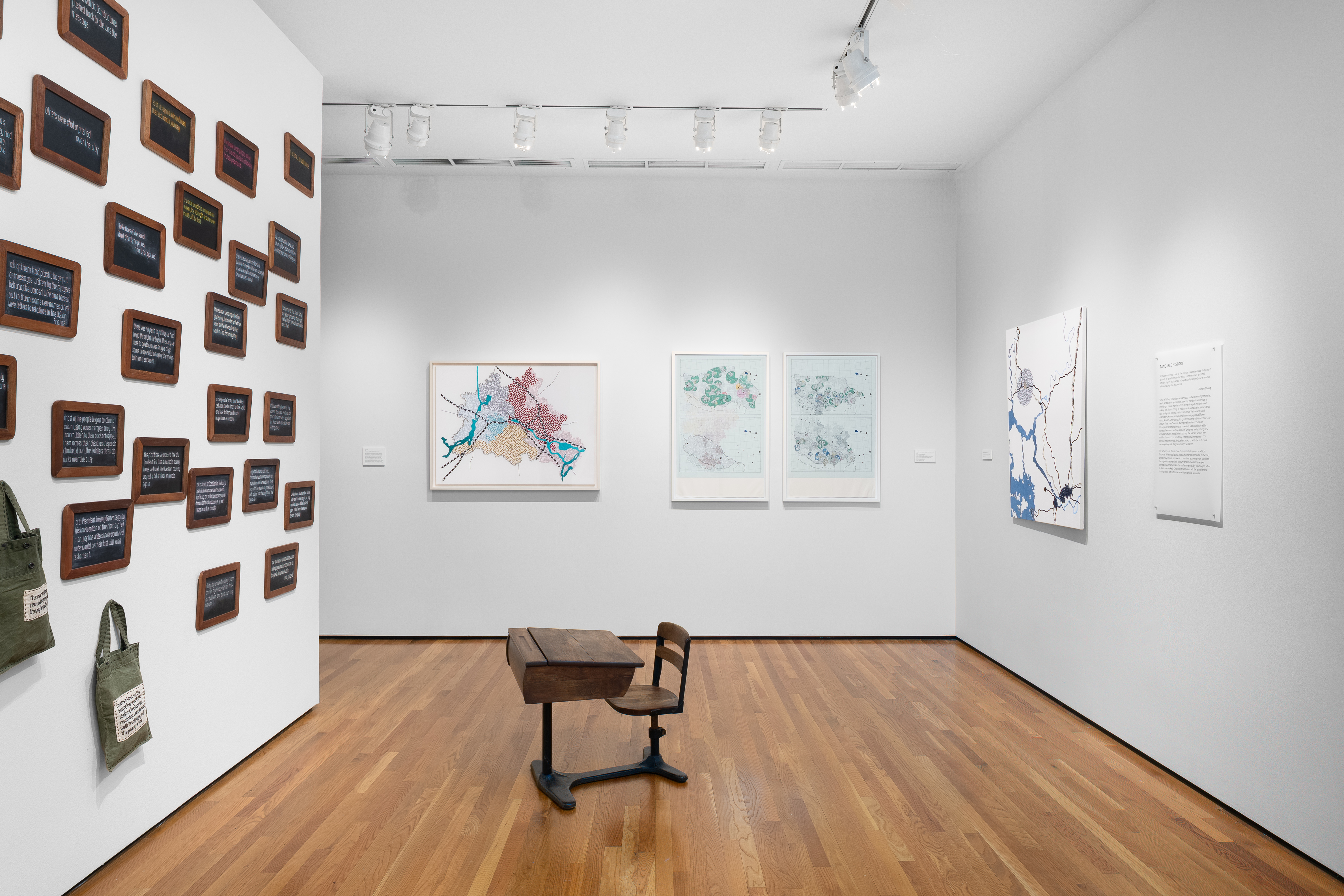
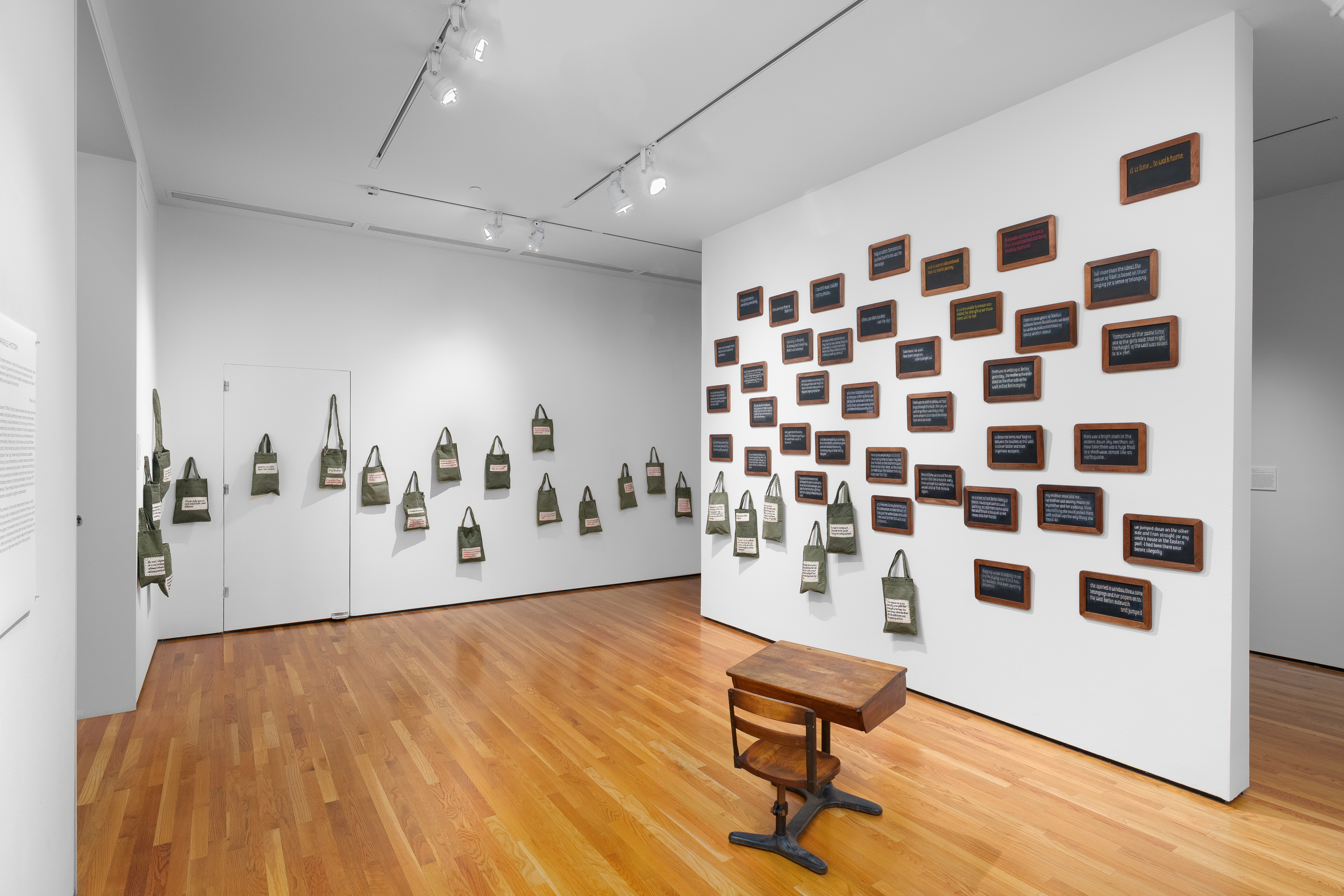
Tiffany Chung: indelible traces is the first comprehensive museum survey of Vietnamese American artist, Tiffany Chung (born 1969; MFA, UCSB ’00). Including more than 70 artworks that highlight Chung’s expansive 25-year career, these works pointedly reveal histories that have too often been overlooked or intentionally ignored. She excavates the complex and often hidden entanglements—of history, politics, geography, economy, and climate—that accrue and shape landscapes, built environments, conflicts, and human migration. Best known for her intricately drawn and embroidered maps, a major part of Chung’s work interrogates the nexus of the climate-conflict crisis, which views climate disasters and armed conflicts as dual systemic causes of forced migration. However, Chung’s conceptual focus is much broader than this frame implies. Beyond charting human movements, her work unravels and reweaves the entwined relationships between nature and human societies, studying the migrations of flora and fauna—particularly spices, along with the cross-border trajectories of foods, cultures, and languages. She often mines the histories of single sites to reveal systems of power and cycles of transformation—natural or human-made, resilient or destructive—across stretches of geological and generational time. Chung employs extensive archival research to fill in the gaps that official histories and popular discourses overlook or intentionally disremember. She merges individual voices and collective memories with landscapes as active sites of remembrance through her rigorous research and qualitative analysis to challenge the power of mapping and grand historical narratives. Ultimately, her artworks question not only how history is told but also who tells that history, who belongs within it, and who and what are excluded.
Following the presentation at the AD&A Museum, the exhibition will embark on a US tour traveling to the Weisman Art Museum at the University of Minnesota (Fall 2026) and the Blaffer Art Museum at the University of Houston (Summer 2027).
Tiffany Chung: indelible traces Tiffany Chung
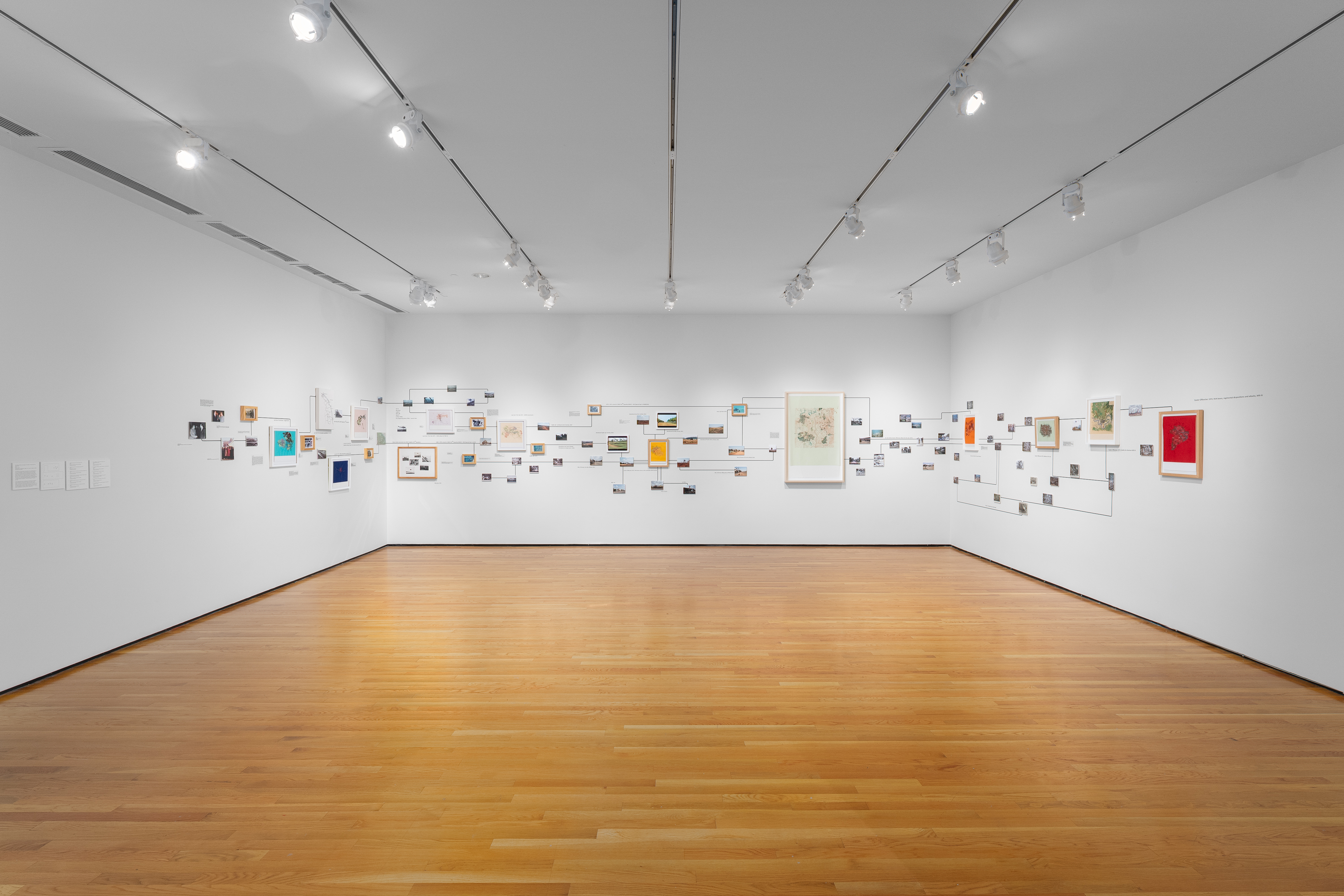
Courtesy of the Art, Design & Architecture Museum at UC Santa Barbara. Photography by Yubo Dong,
ofstudio.
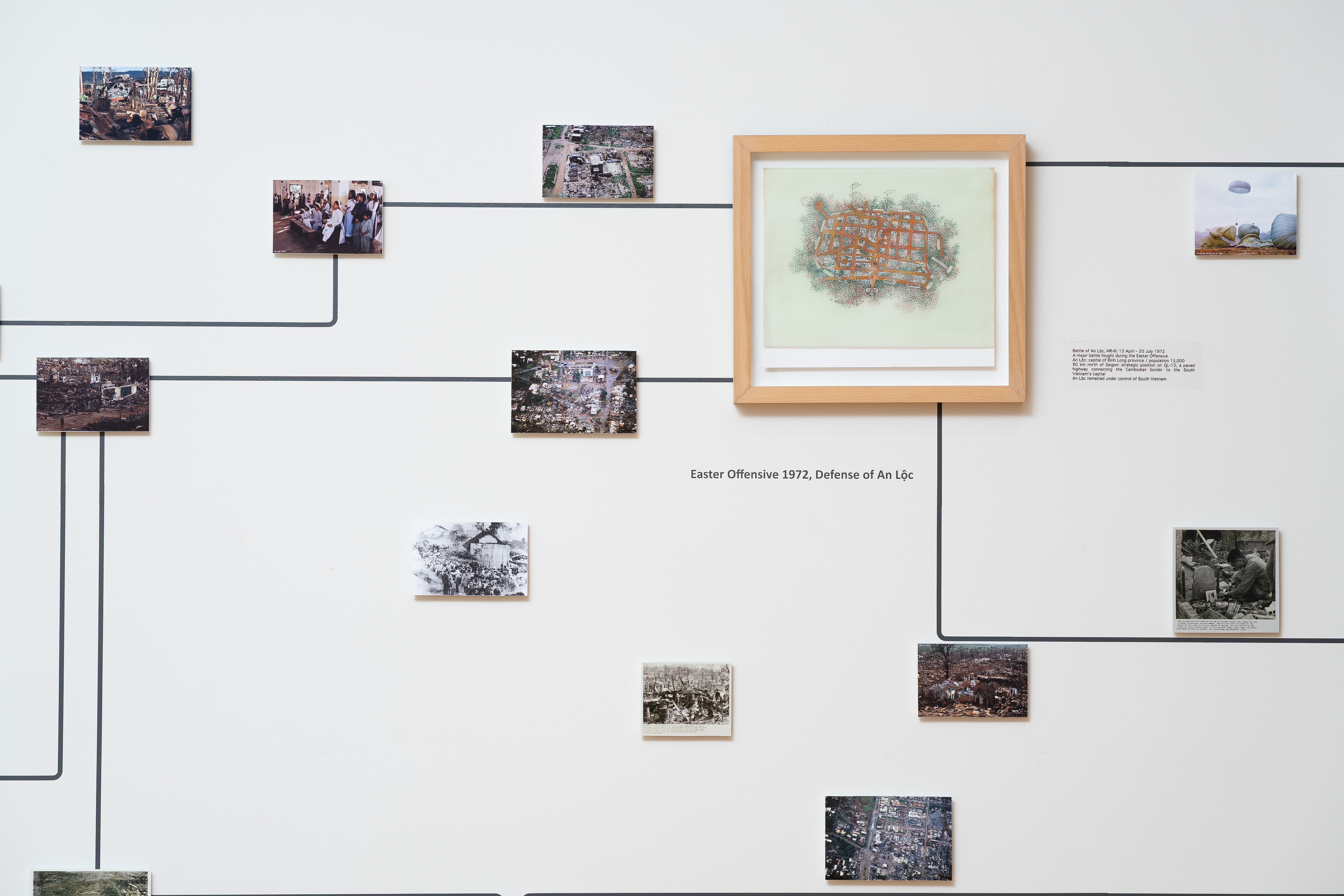
Courtesy of the Art, Design & Architecture Museum at UC Santa Barbara. Photography by Yubo Dong,
ofstudio.
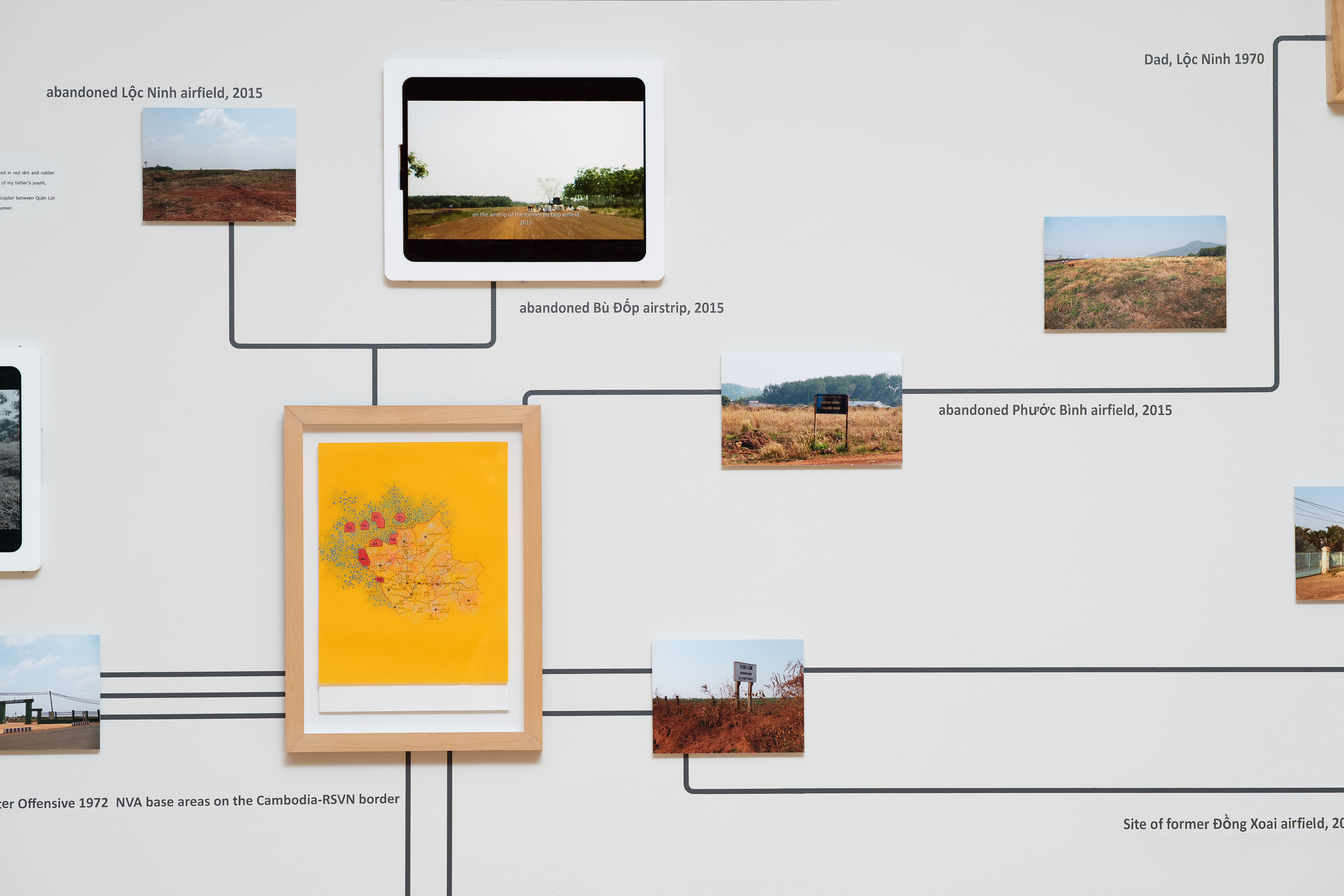
Courtesy of the Art, Design & Architecture Museum at UC Santa Barbara. Photography by Yubo Dong,
ofstudio.
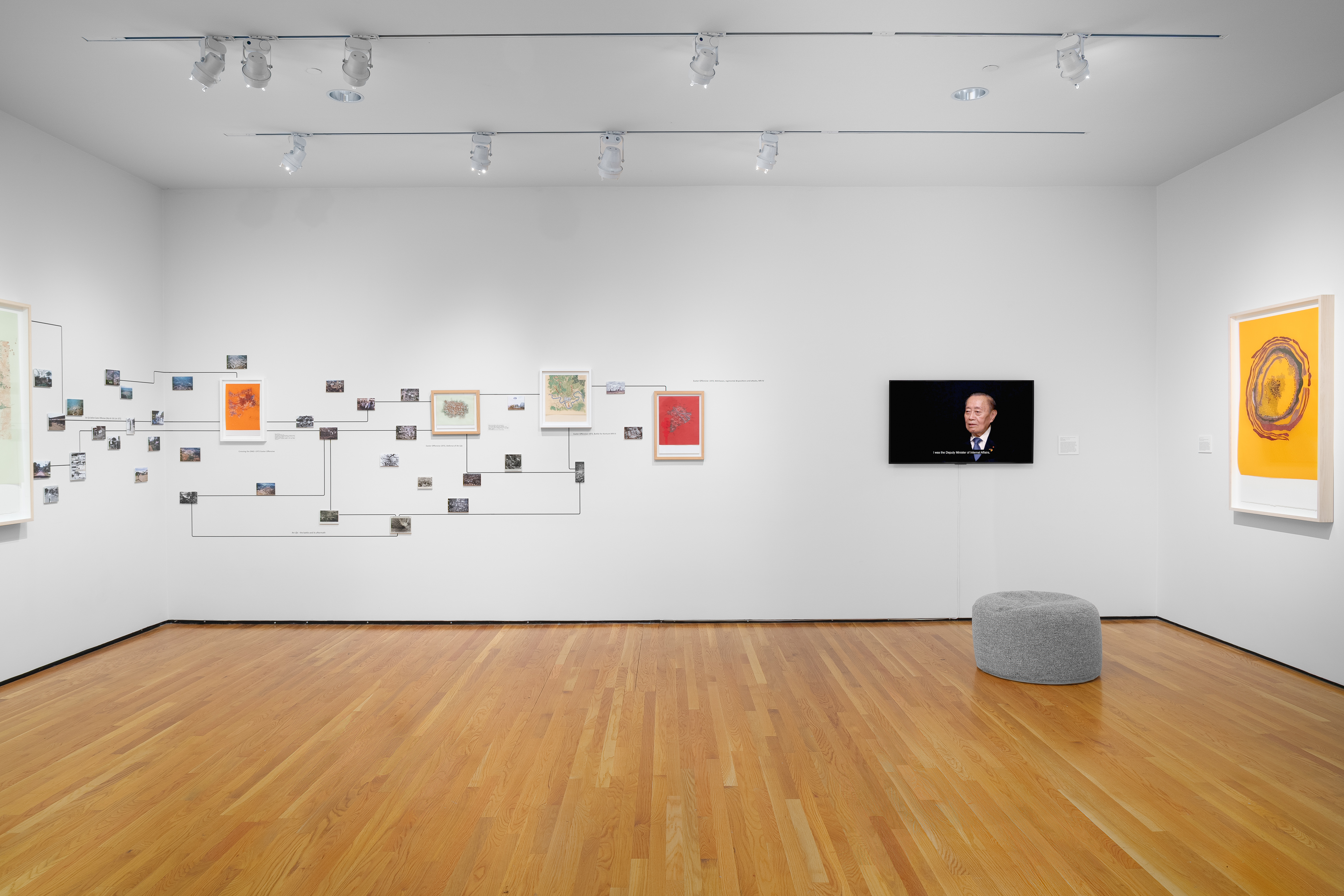
Courtesy of the Art, Design & Architecture Museum at UC Santa Barbara. Photography by Yubo Dong,
ofstudio.
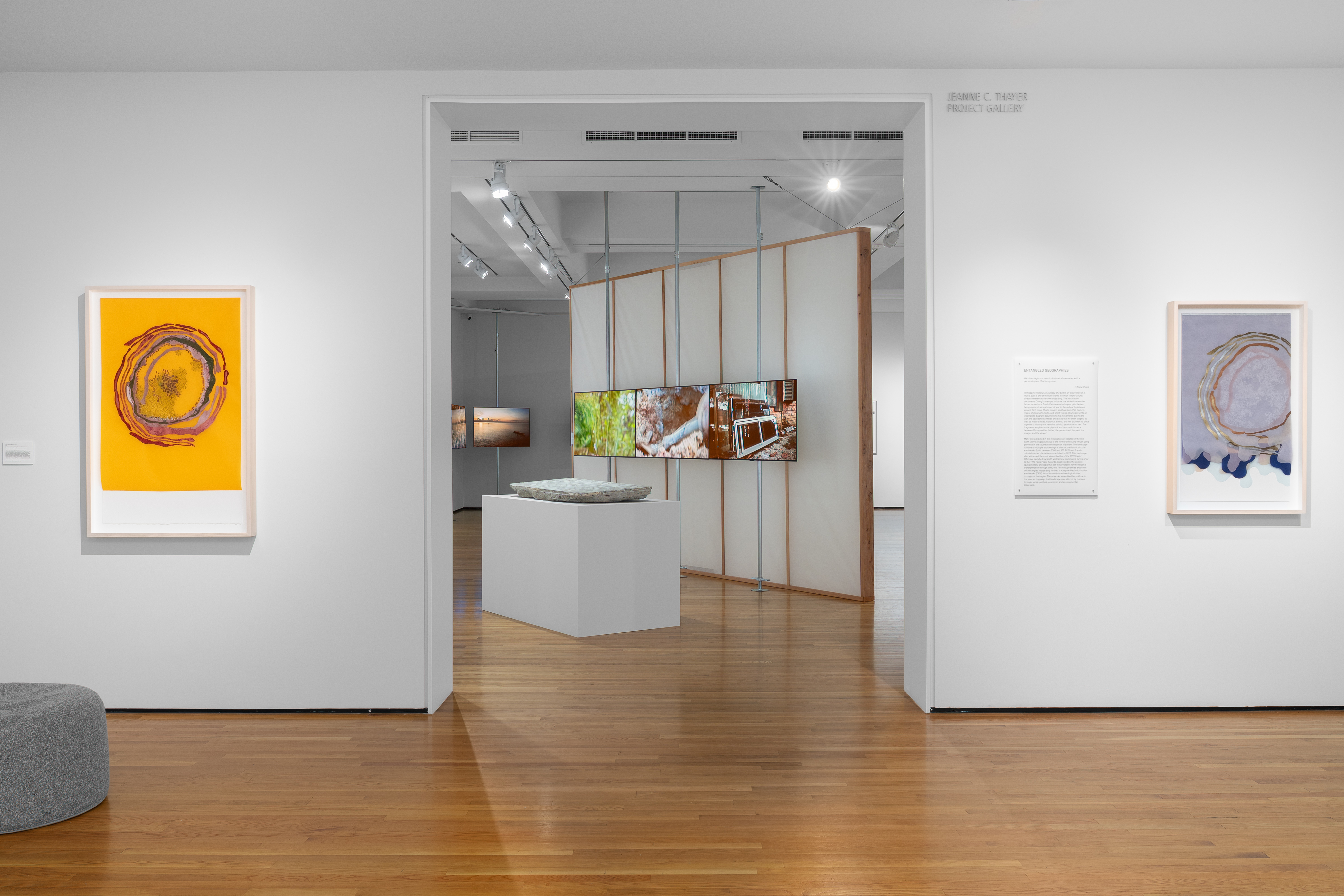
Courtesy of the Art, Design & Architecture Museum at UC Santa Barbara. Photography by Yubo Dong,
ofstudio.
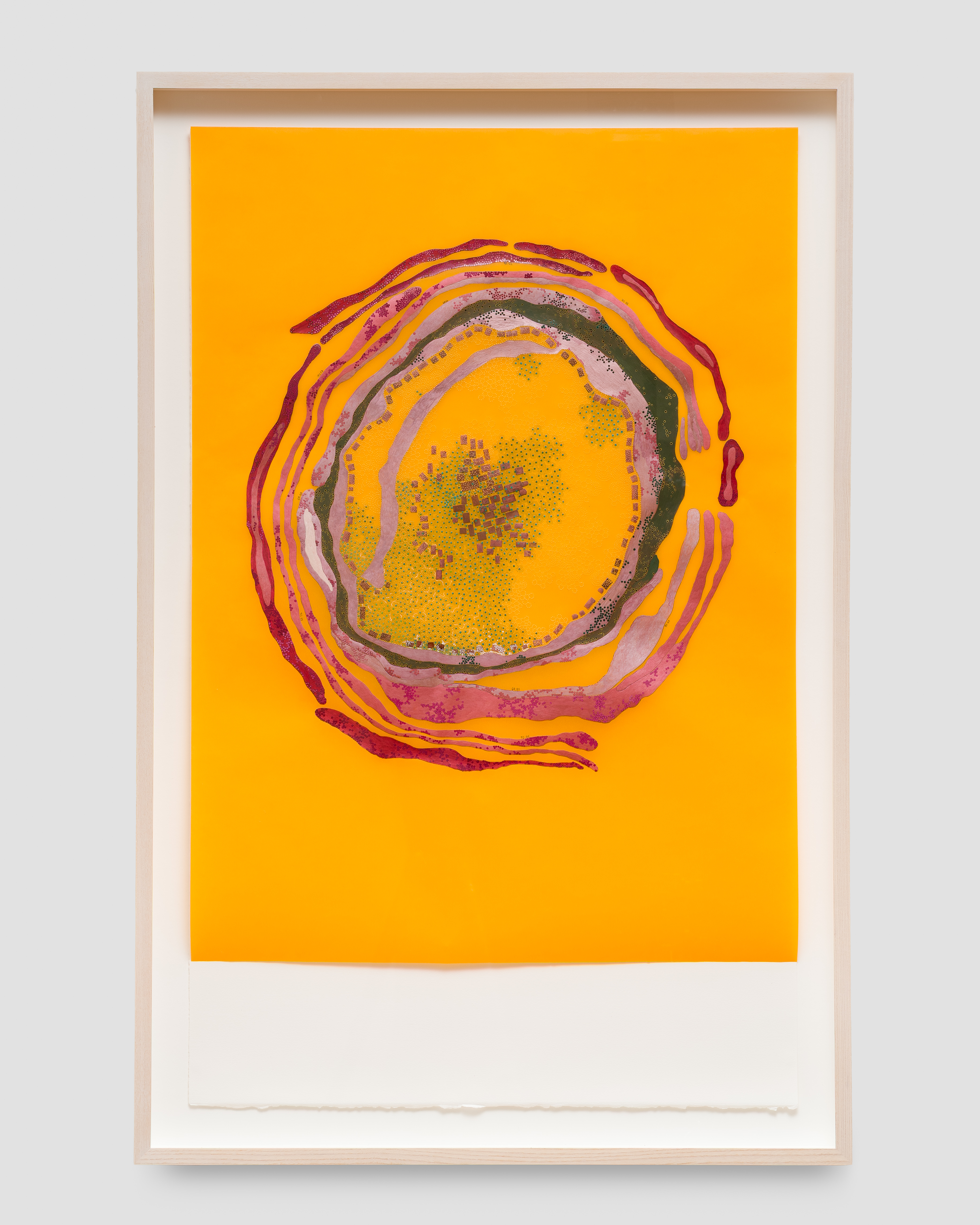
Courtesy of the Art, Design & Architecture Museum at UC Santa Barbara. Photography by Yubo Dong,
ofstudio.
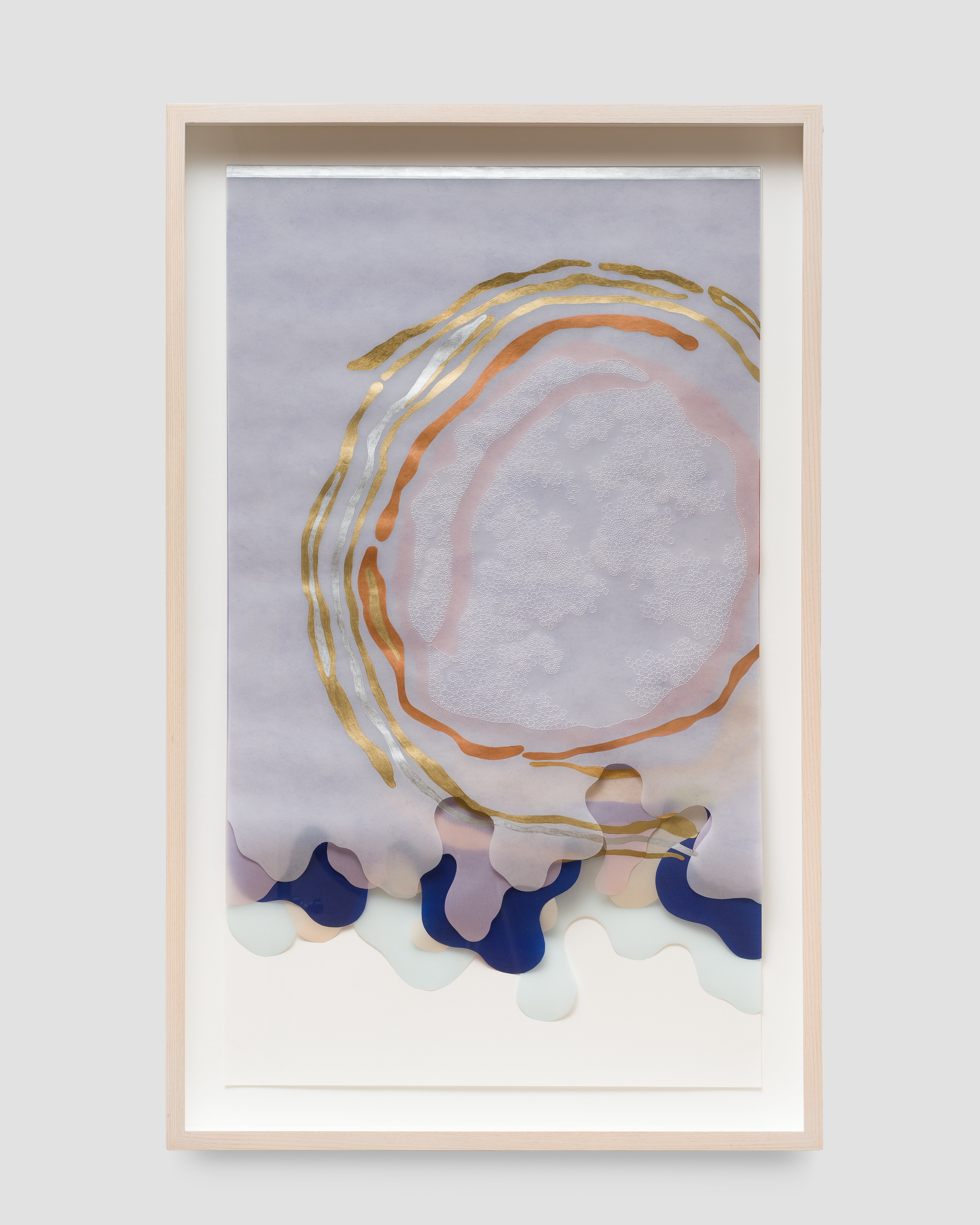
Courtesy of the Art, Design & Architecture Museum at UC Santa Barbara. Photography by Yubo Dong,
ofstudio.
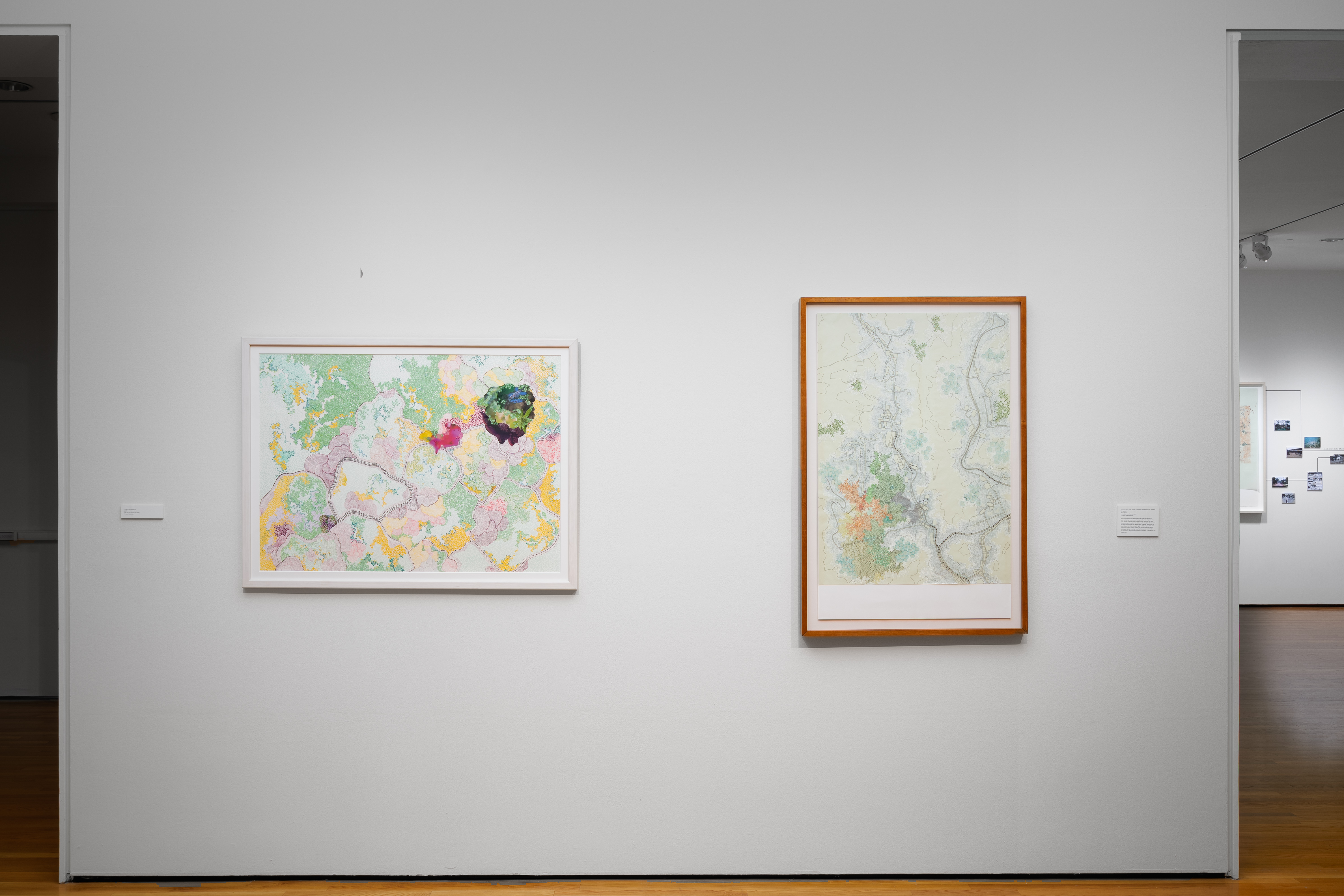
Courtesy of the Art, Design & Architecture Museum at UC Santa Barbara. Photography by Yubo Dong,
ofstudio.
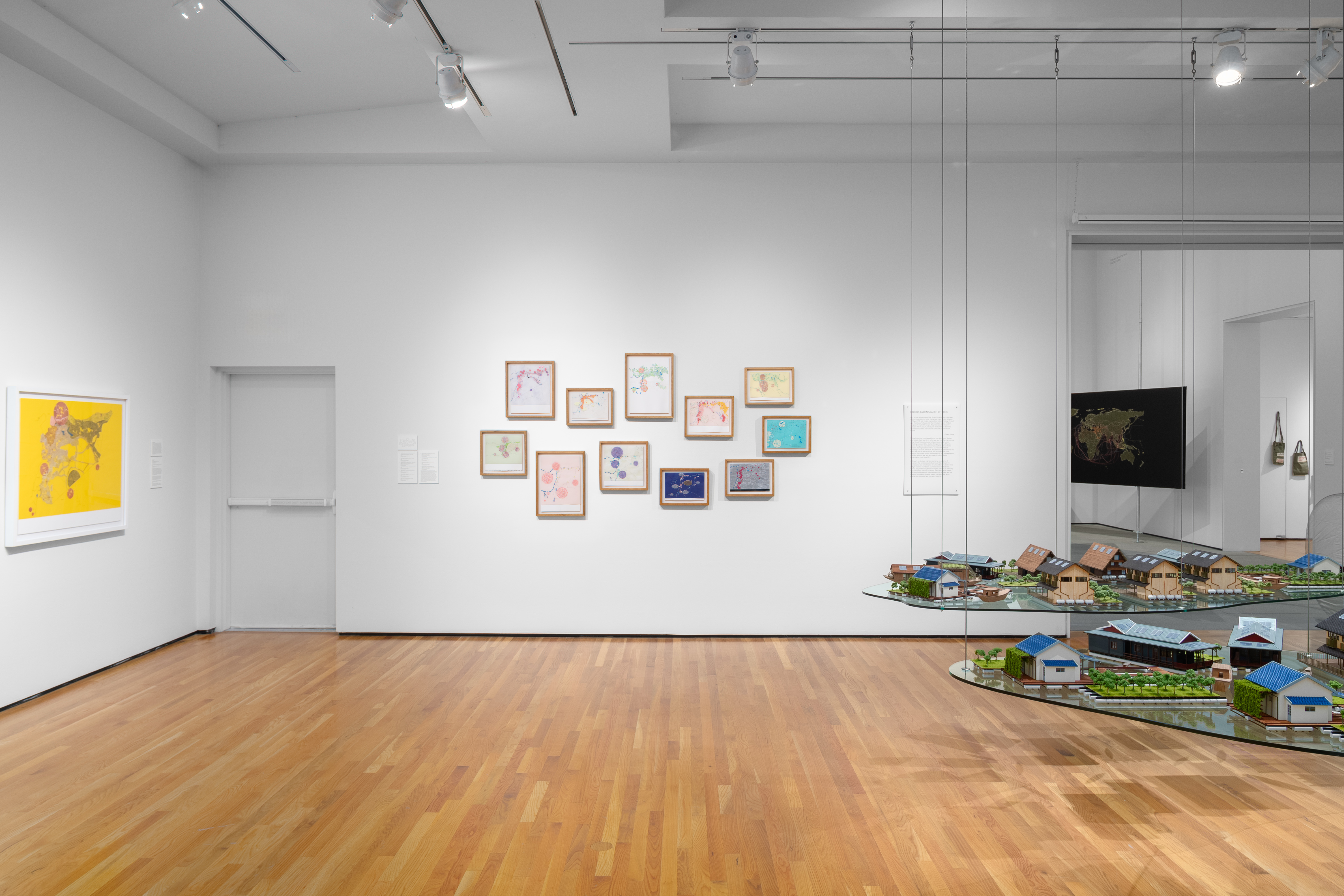
Courtesy of the Art, Design & Architecture Museum at UC Santa Barbara. Photography by Yubo Dong,
ofstudio.
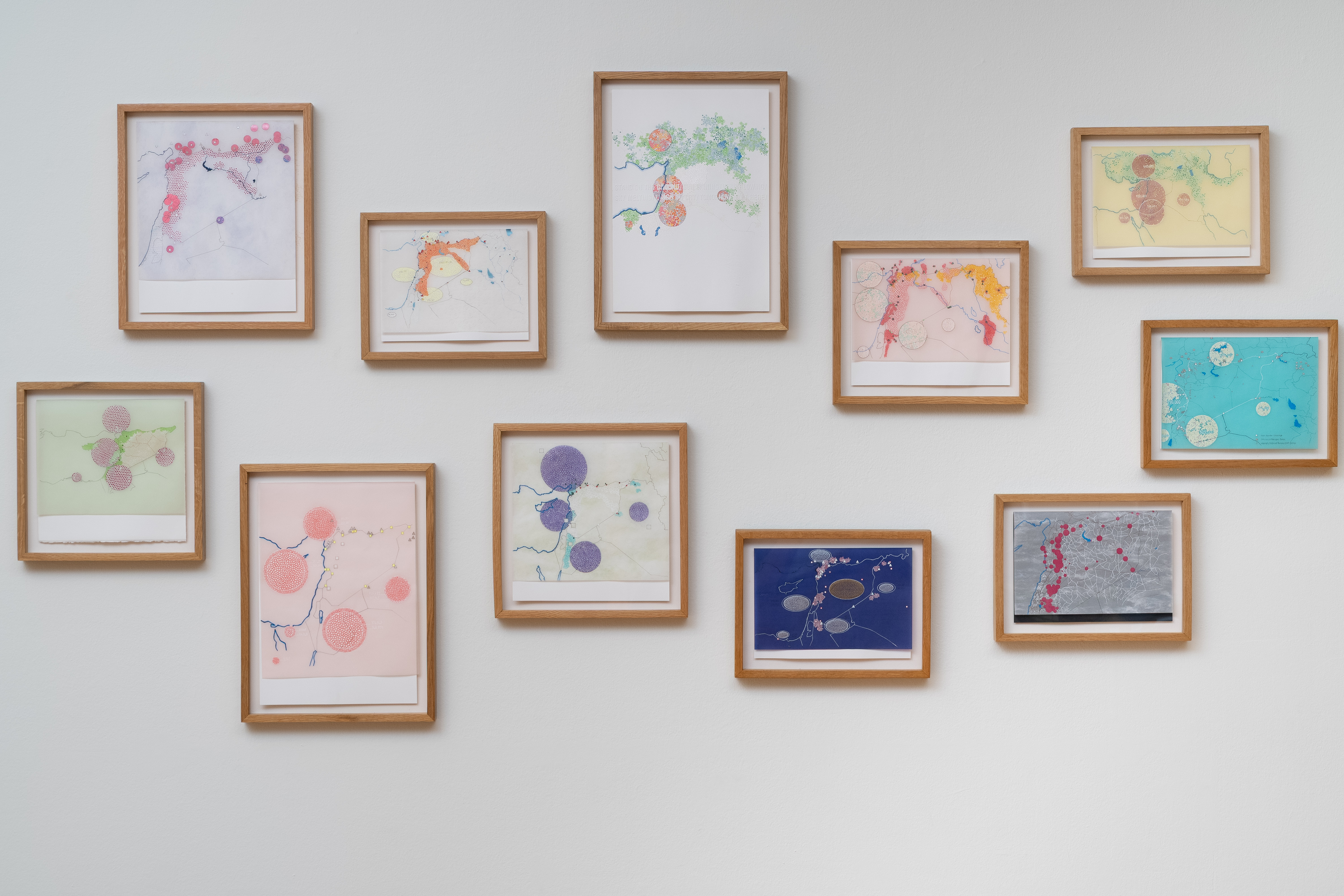
Courtesy of the Art, Design & Architecture Museum at UC Santa Barbara. Photography by Yubo Dong,
ofstudio.
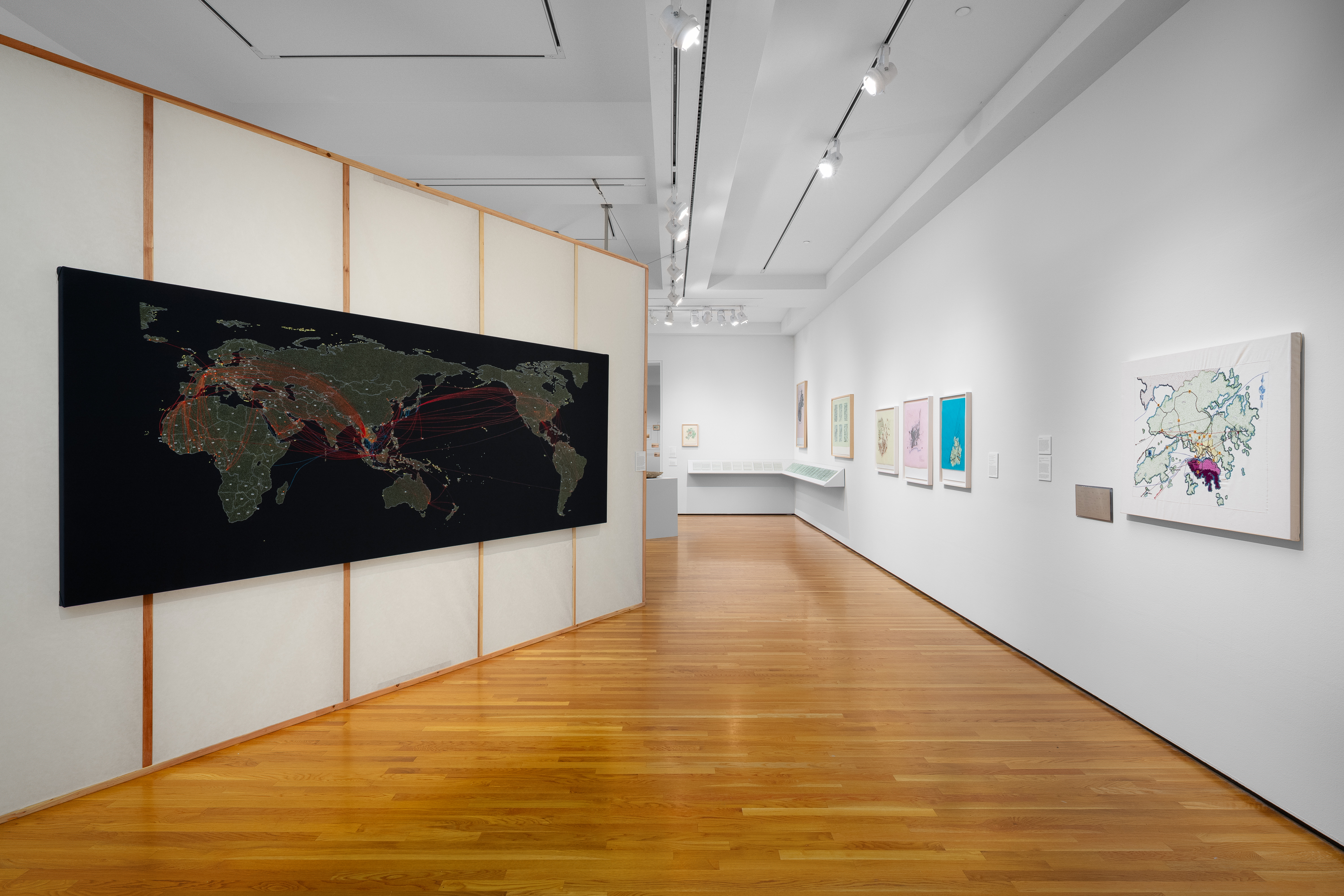
Courtesy of the Art, Design & Architecture Museum at UC Santa Barbara. Photography by Yubo Dong,
ofstudio.
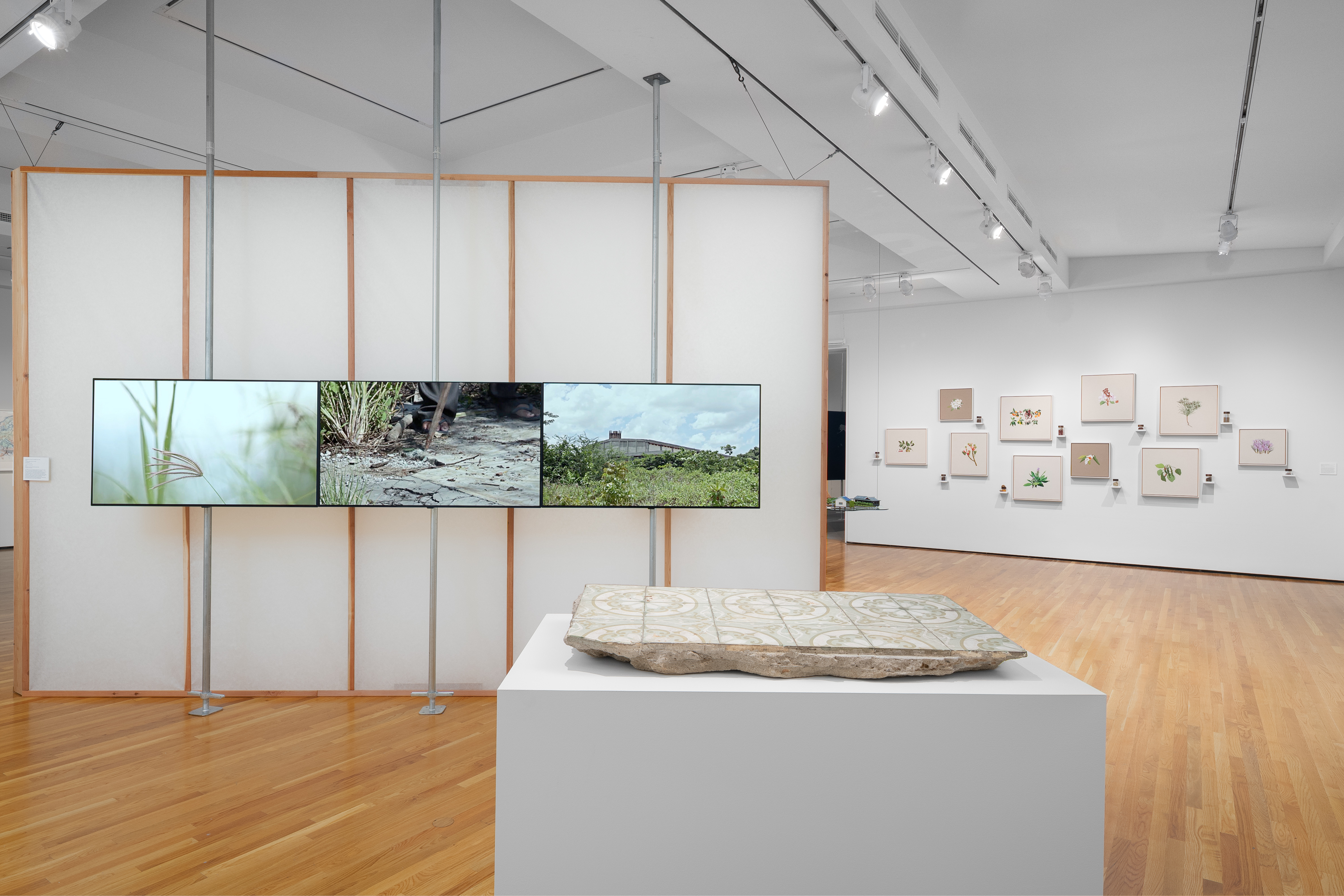
Courtesy of the Art, Design & Architecture Museum at UC Santa Barbara. Photography by Yubo Dong,
ofstudio.
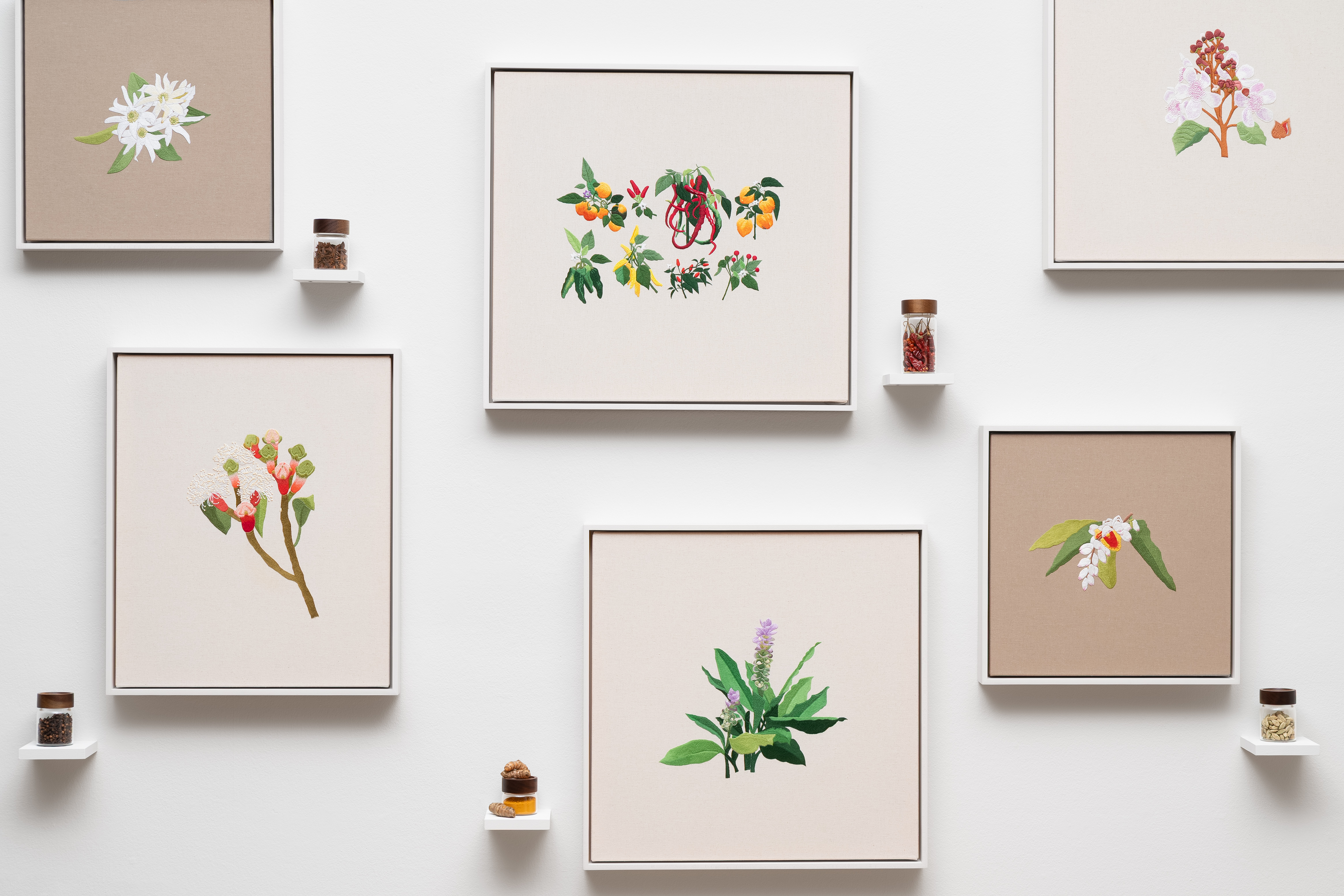
Courtesy of the Art, Design & Architecture Museum at UC Santa Barbara. Photography by Yubo Dong,
ofstudio.
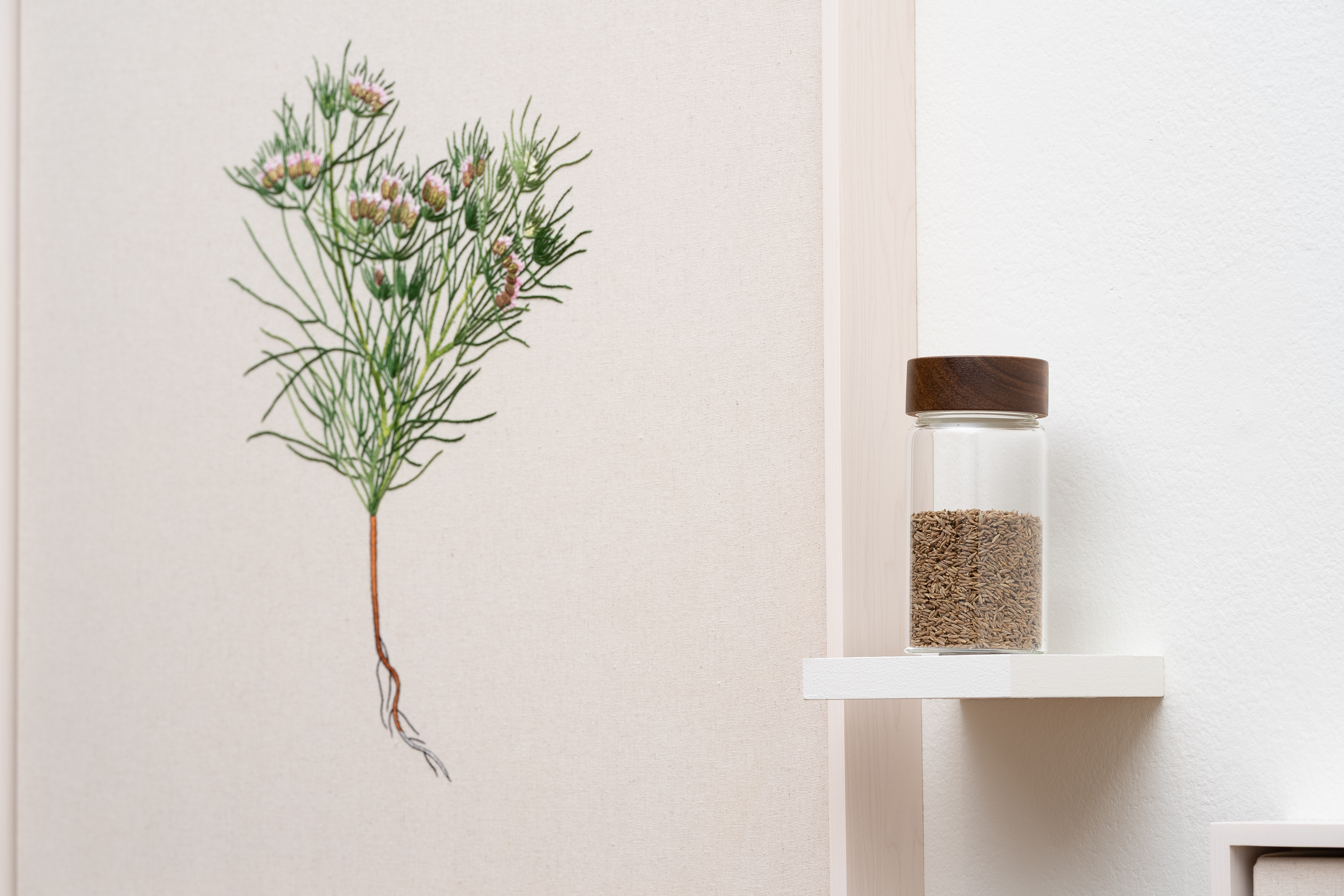
Courtesy of the Art, Design & Architecture Museum at UC Santa Barbara. Photography by Yubo Dong,
ofstudio.
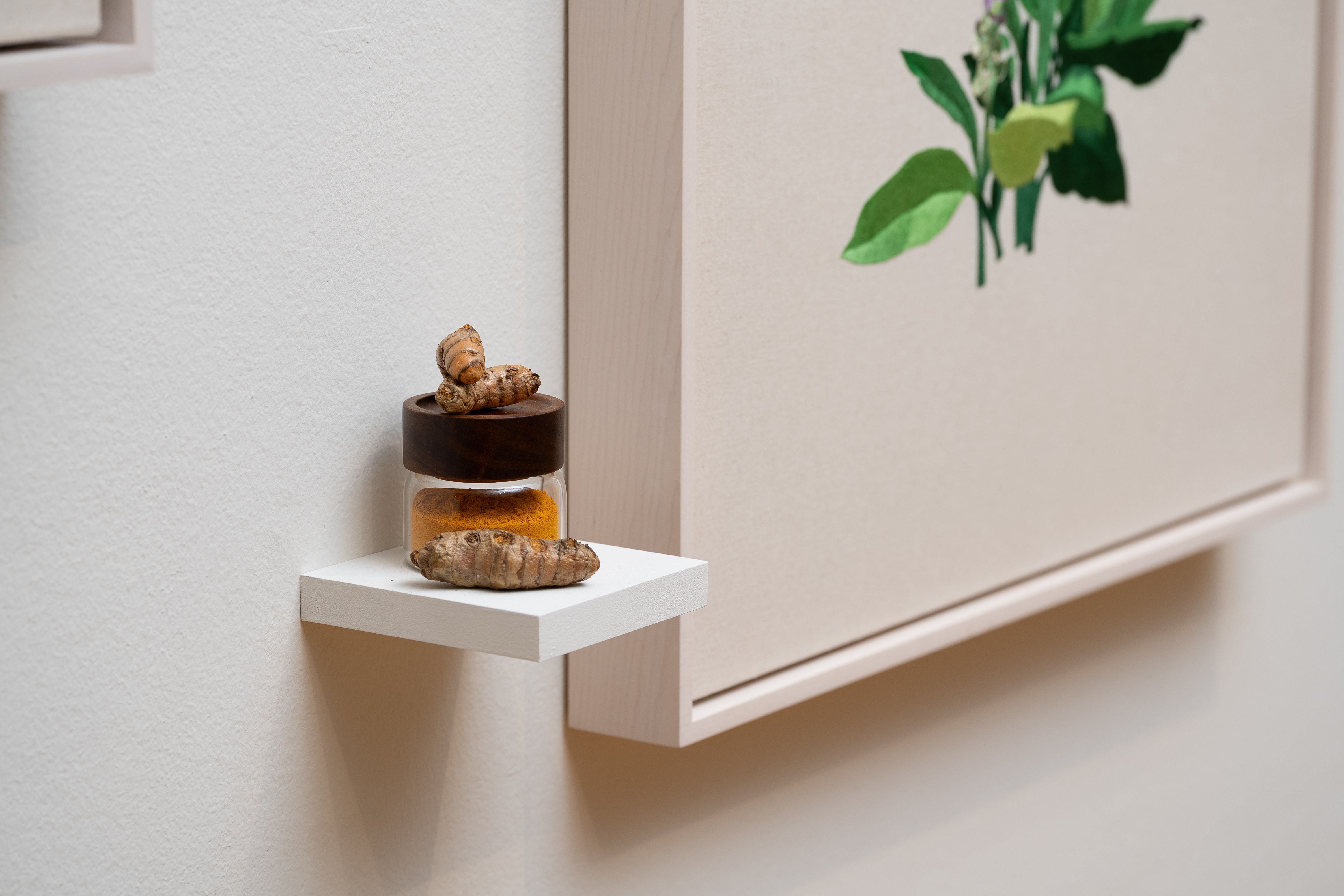
Courtesy of the Art, Design & Architecture Museum at UC Santa Barbara. Photography by Yubo Dong,
ofstudio.
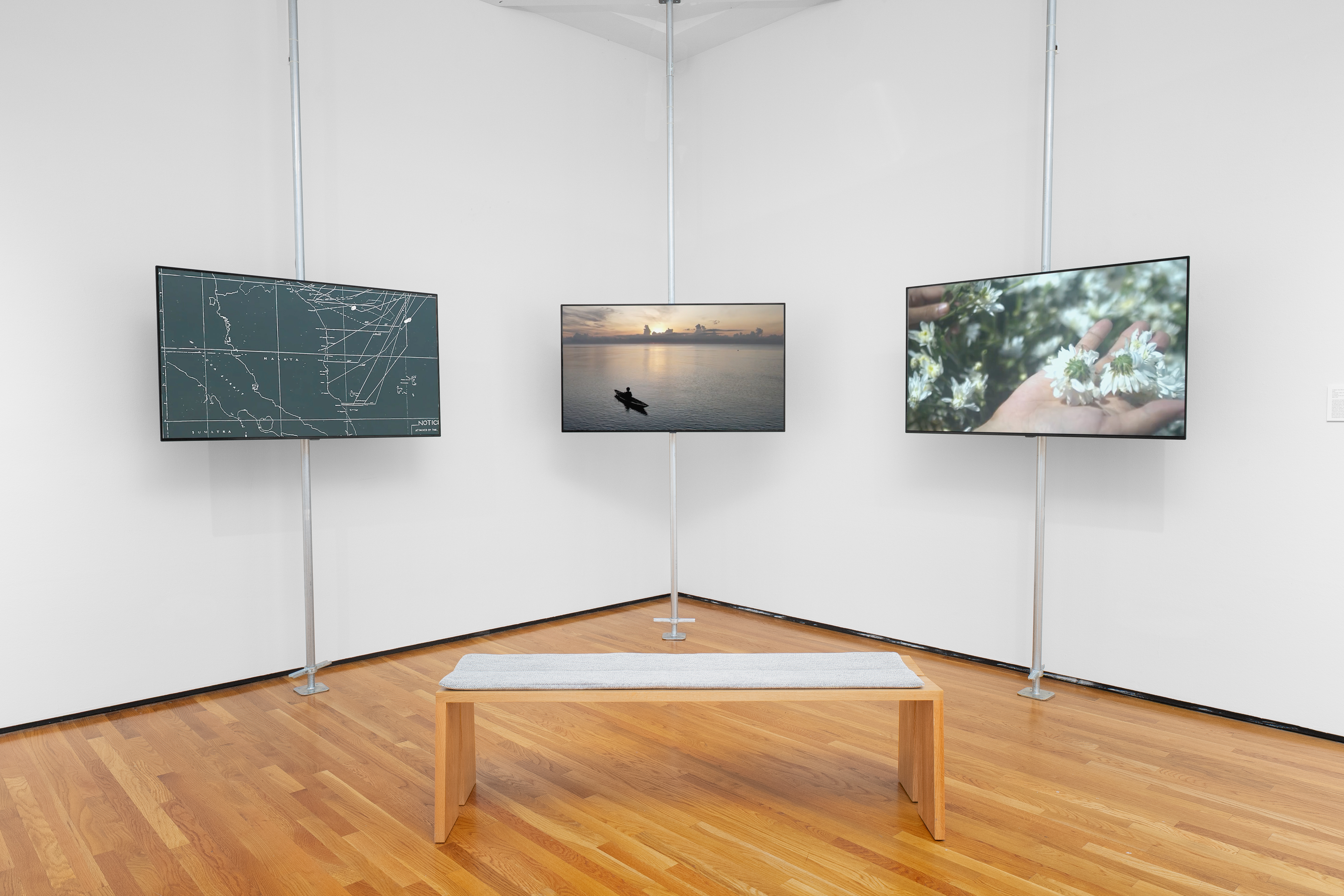
Courtesy of the Art, Design & Architecture Museum at UC Santa Barbara. Photography by Yubo Dong,
ofstudio.
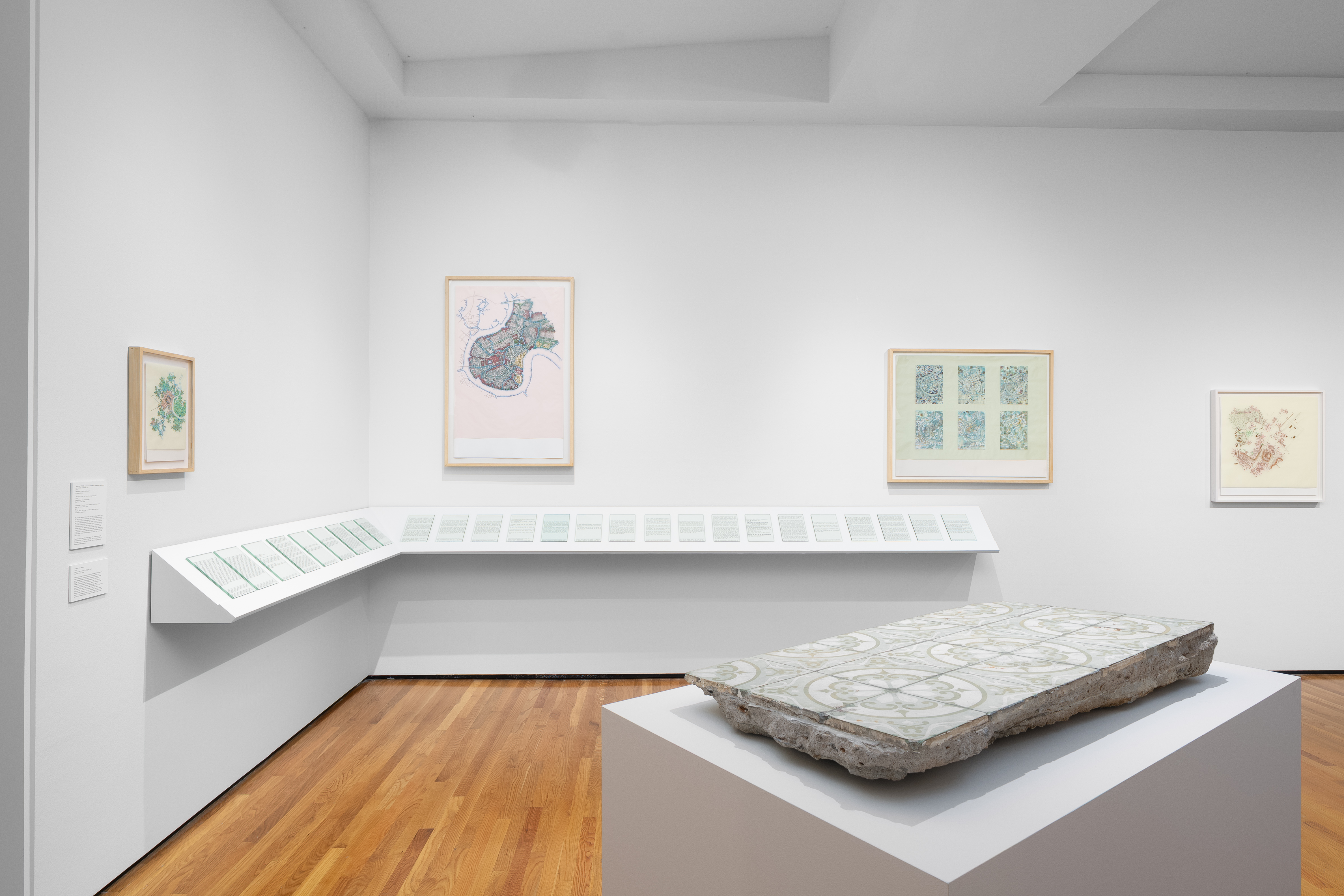
Courtesy of the Art, Design & Architecture Museum at UC Santa Barbara. Photography by Yubo Dong,
ofstudio.
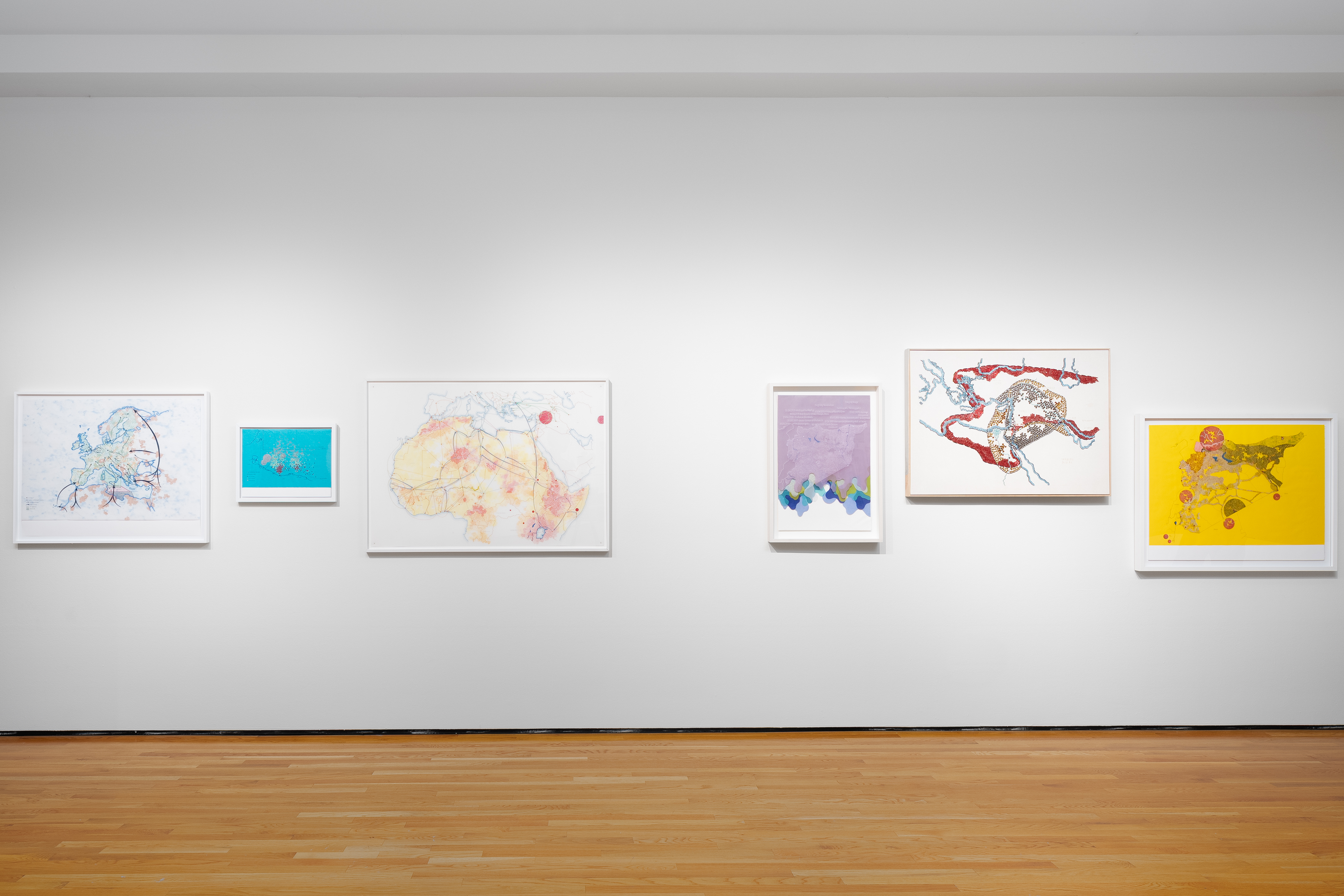
Courtesy of the Art, Design & Architecture Museum at UC Santa Barbara. Photography by Yubo Dong,
ofstudio.
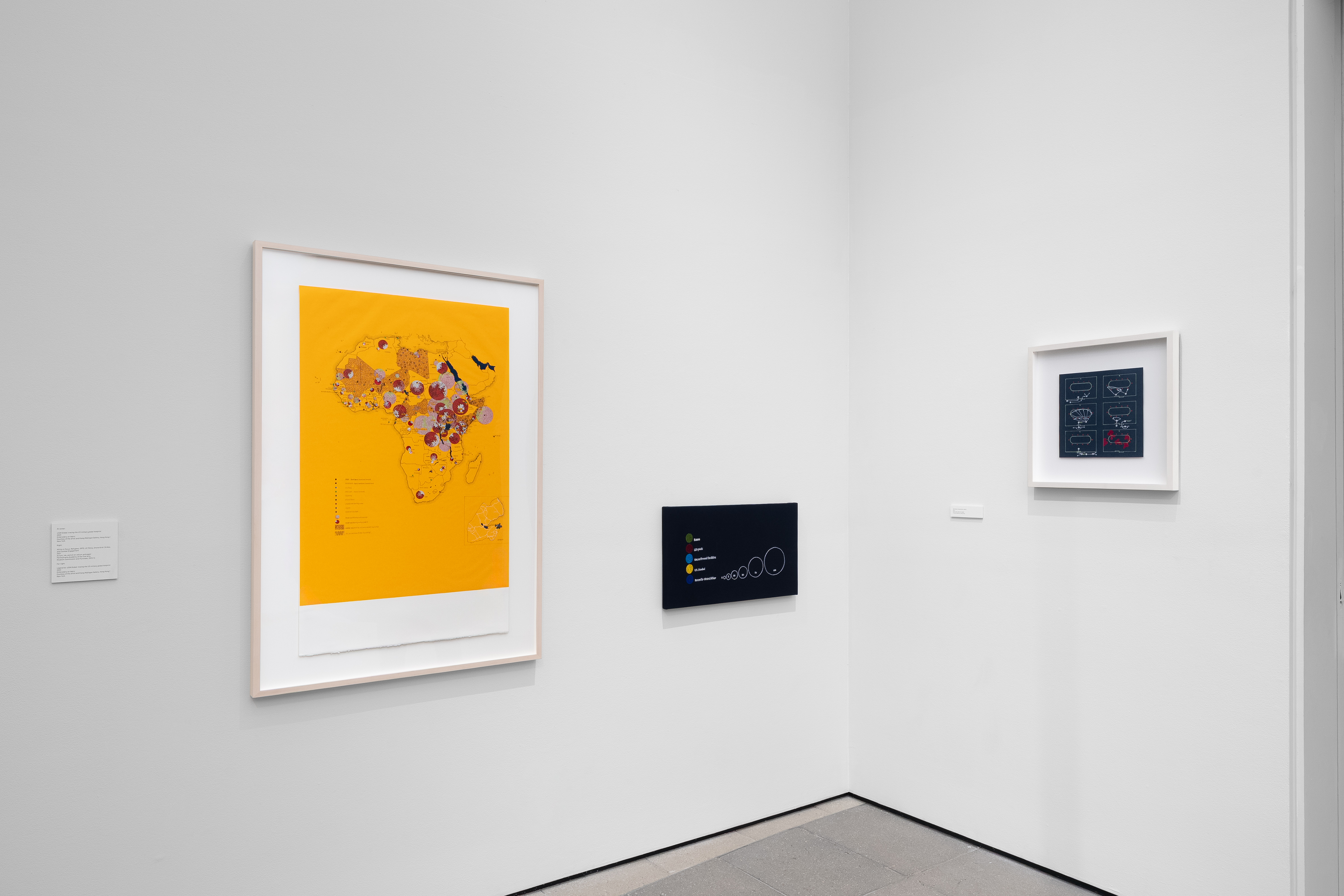
Courtesy of the Art, Design & Architecture Museum at UC Santa Barbara. Photography by Yubo Dong,
ofstudio.
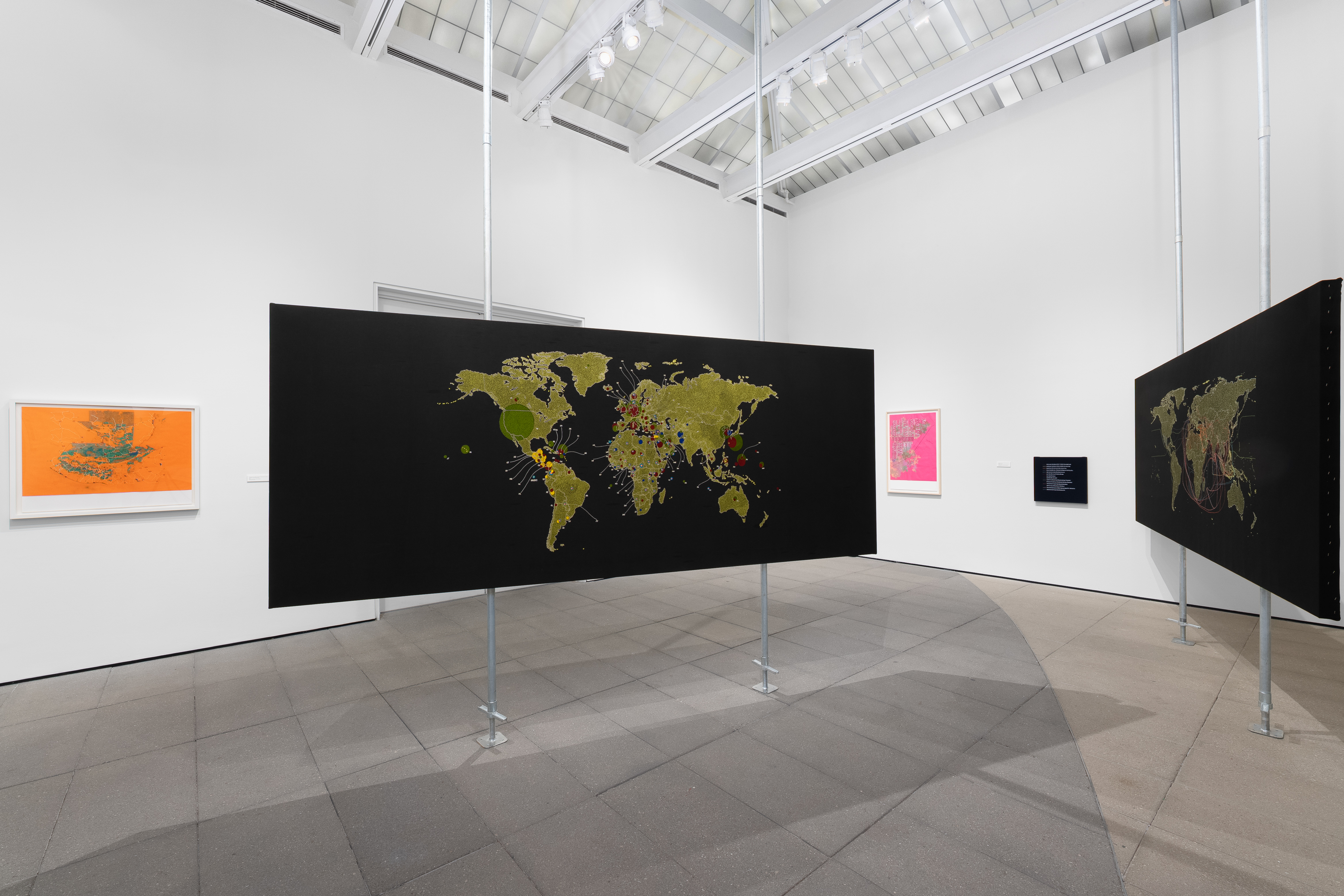
140 x 350 cm, 39 x 68cm

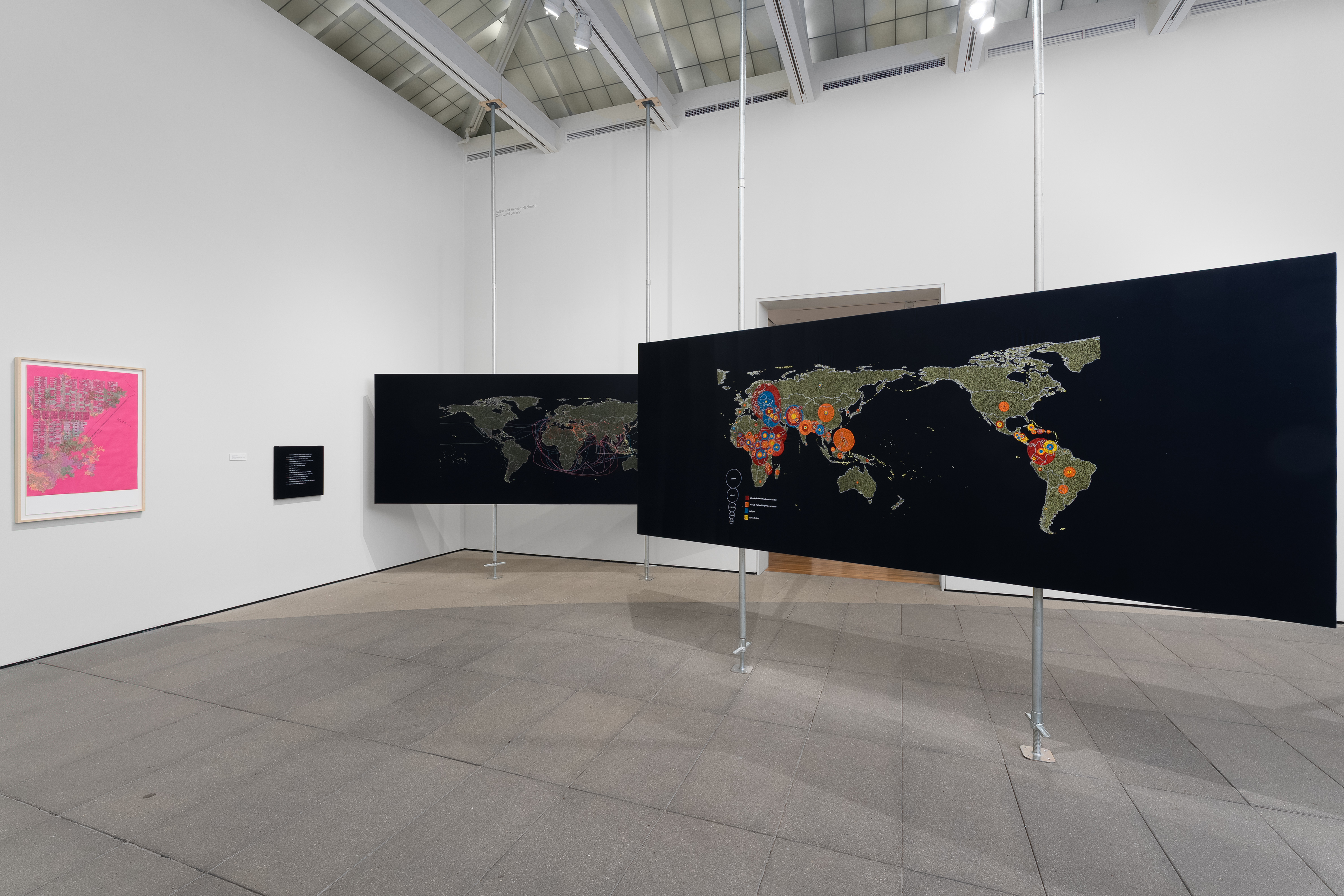
Tiffany Chung, Mapping Global Displacement and Migration: nexus dynamics between conflict & violence and climate disaster [UNHCR, IDMC, EM-DAT: cross-border refugees, asylum-seekers, IDPs, and those affected in selected cases >2022<], 2023. Embroidery on fabric
140 x 350 cm (55 x 137 ¾ in.).
Installation view, After Rain, Diriyah Contemporary Art Biennale 2024. Photograph by Marco Cappelletti, courtesy of the Diriyah Biennale Foundation. © Tiffany Chung
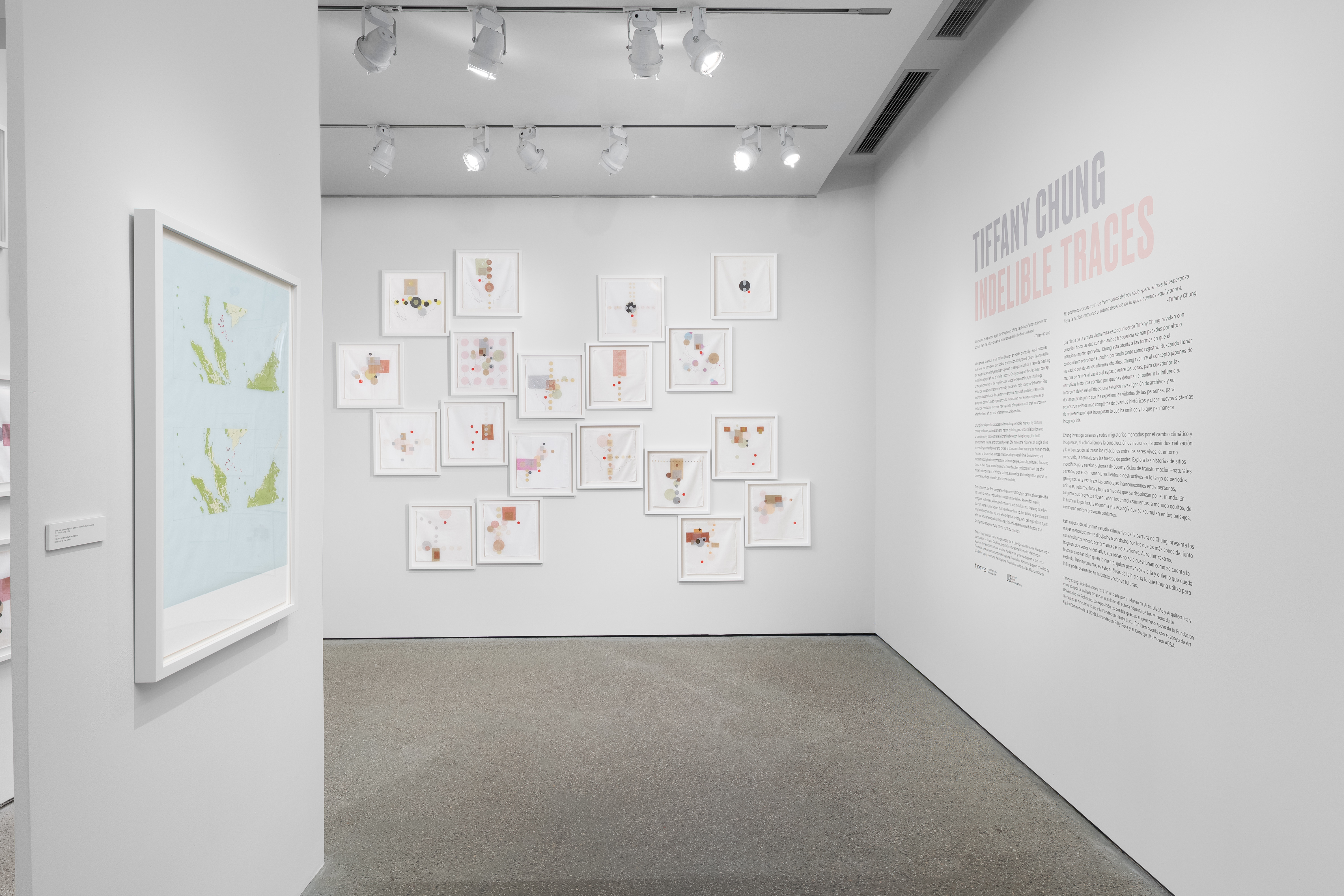
Courtesy of the Art, Design & Architecture Museum at UC Santa Barbara. Photography by Yubo Dong,
ofstudio.
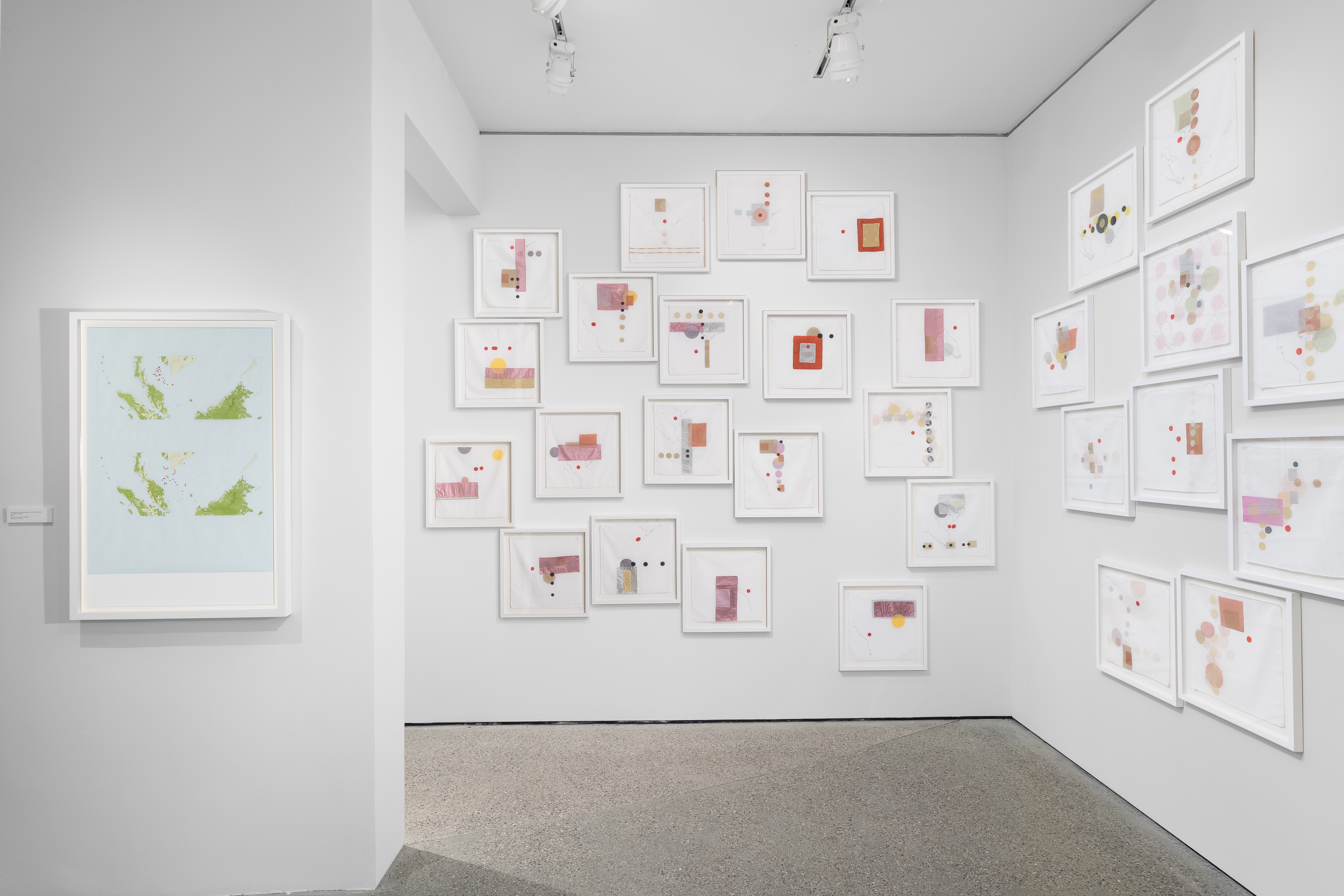
Courtesy of the Art, Design & Architecture Museum at UC Santa Barbara. Photography by Yubo Dong,
ofstudio.
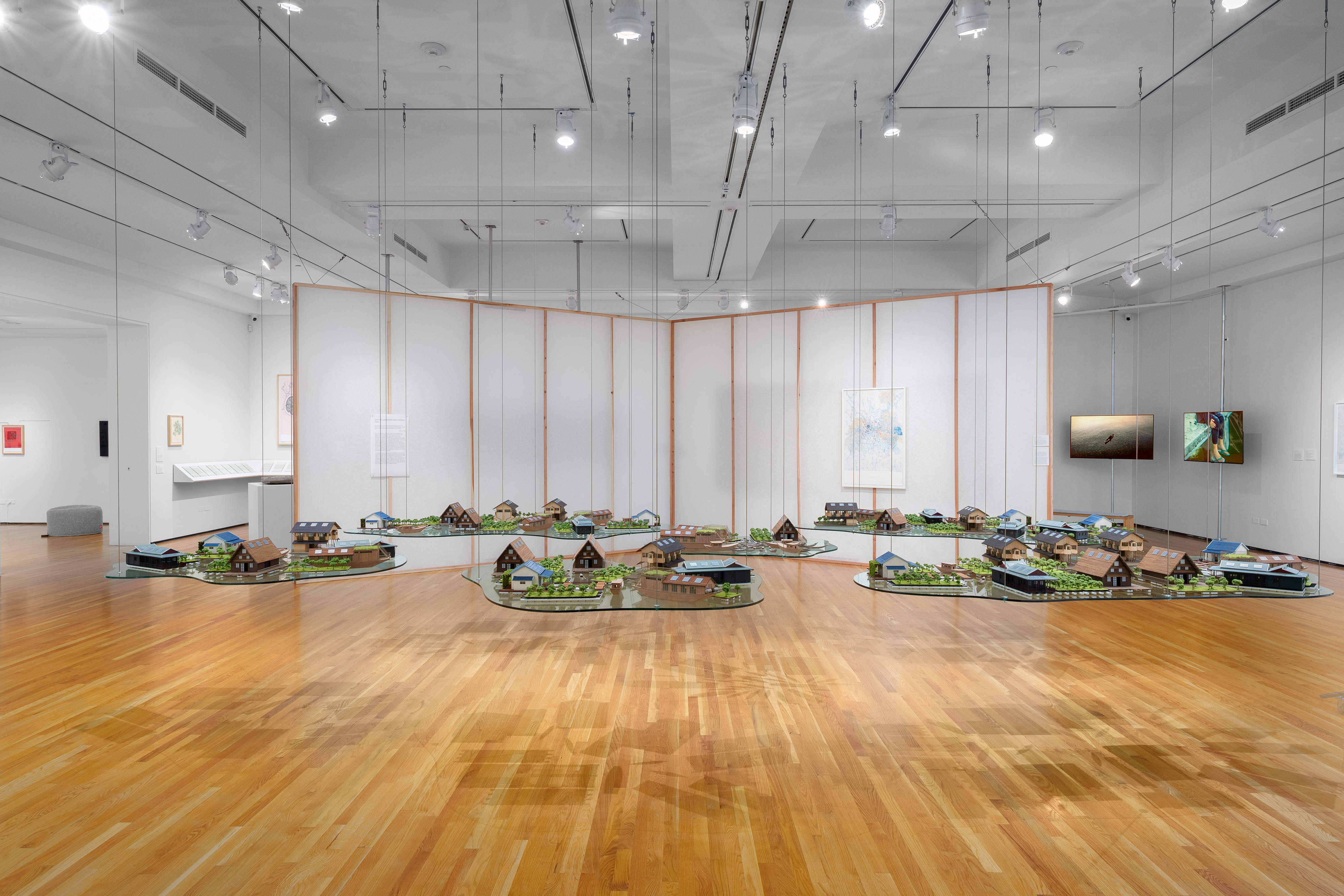
Tiffany Chung, stored in a jar: monsoon, drowning fish, color of water, and the floating world, 2010–2011. Mixed media, dimension of installation: approx. 6 x 3.6 m (20 x 12 ft.).
Courtesy of the Art, Design & Architecture Museum at UC Santa Barbara. Photography by Yubo Dong,
ofstudio.
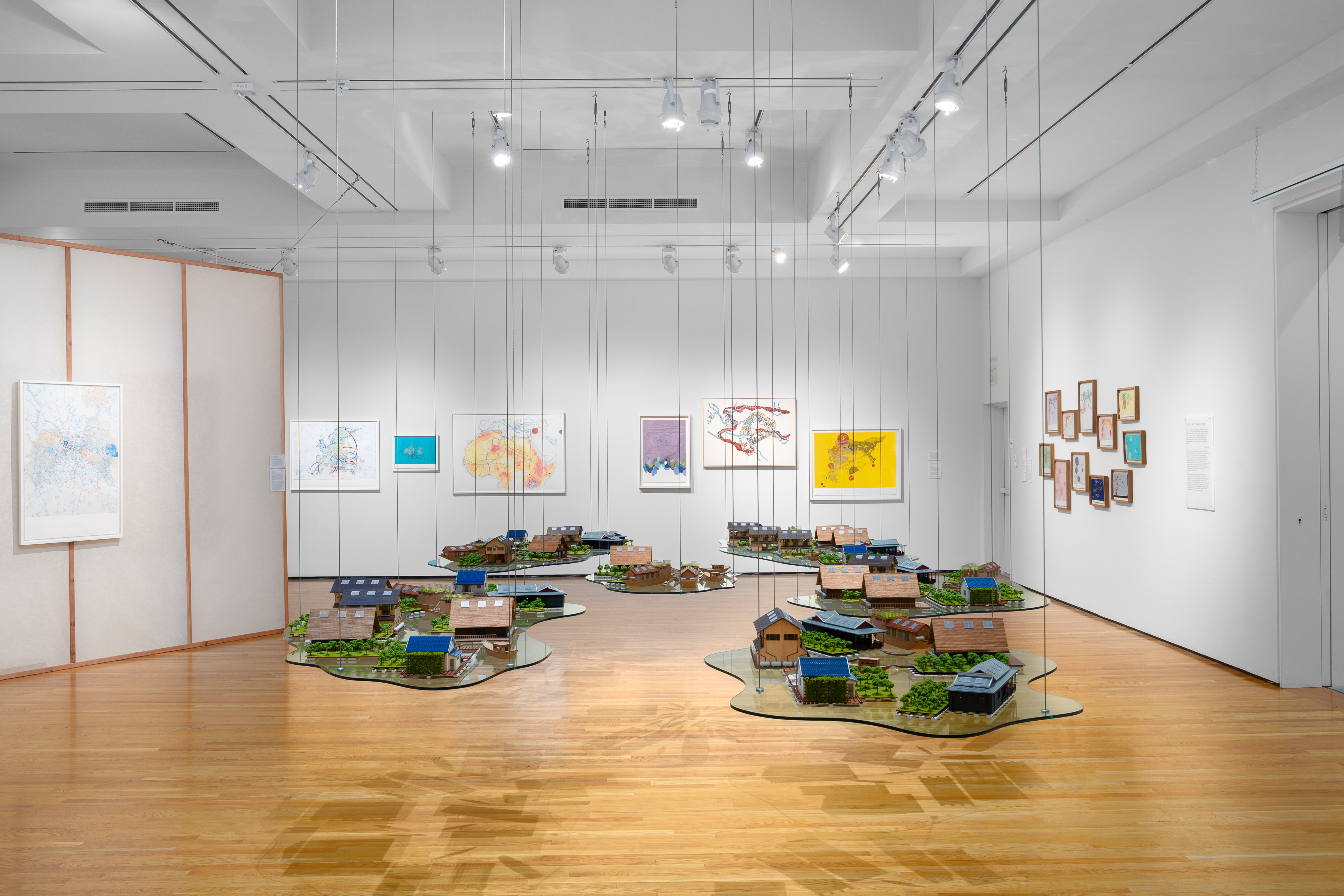
Tiffany Chung, stored in a jar: monsoon, drowning fish, color of water, and the floating world, 2010–2011. Mixed media, dimension of installation: approx. 6 x 3.6 m (20 x 12 ft.).
Courtesy of the Art, Design & Architecture Museum at UC Santa Barbara. Photography by Yubo Dong,
ofstudio.
Courtesy of the Art, Design & Architecture Museum at UC Santa Barbara. Photography by Yubo Dong,
ofstudio.
Courtesy of the Art, Design & Architecture Museum at UC Santa Barbara. Photography by Yubo Dong,
ofstudio.
Courtesy of the Art, Design & Architecture Museum at UC Santa Barbara. Photography by Yubo Dong,
ofstudio.
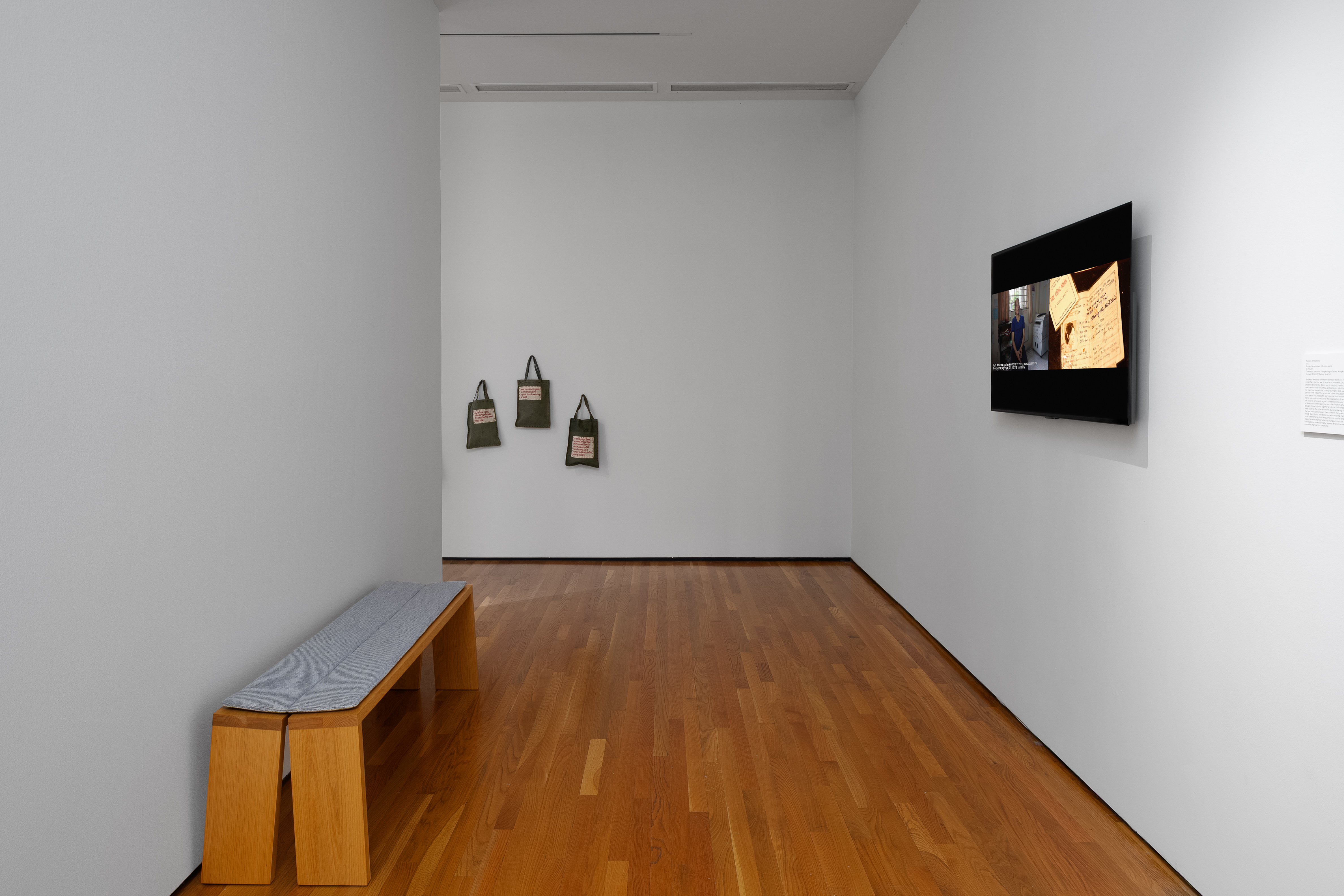
Courtesy of the Art, Design & Architecture Museum at UC Santa Barbara. Photography by Yubo Dong,
ofstudio.